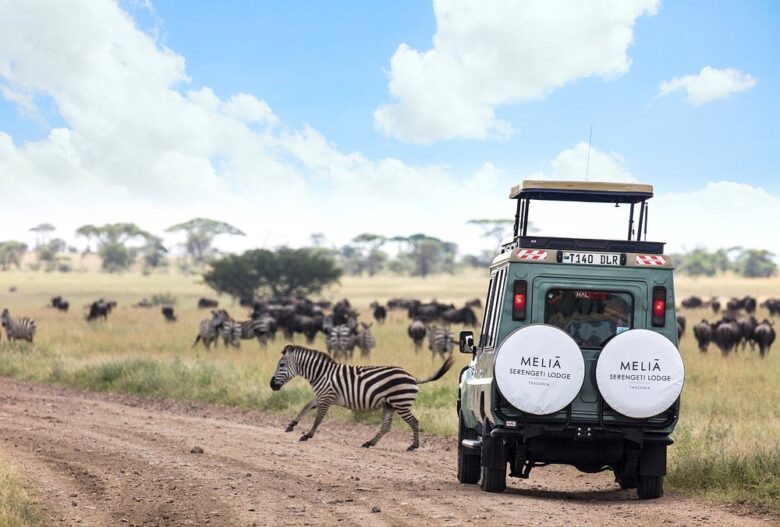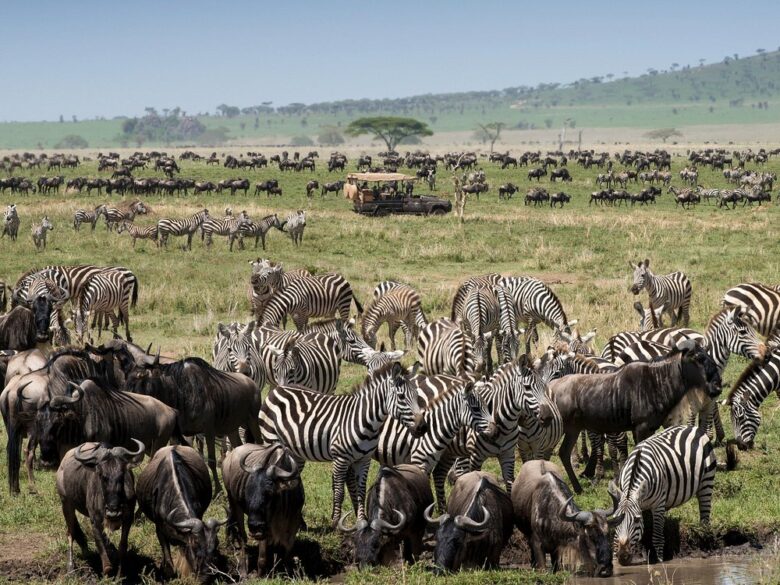
Great Migration River Crossings: A Luxury Safari Perspective
River Crossings: The Most Iconic Moments of the Great Migration
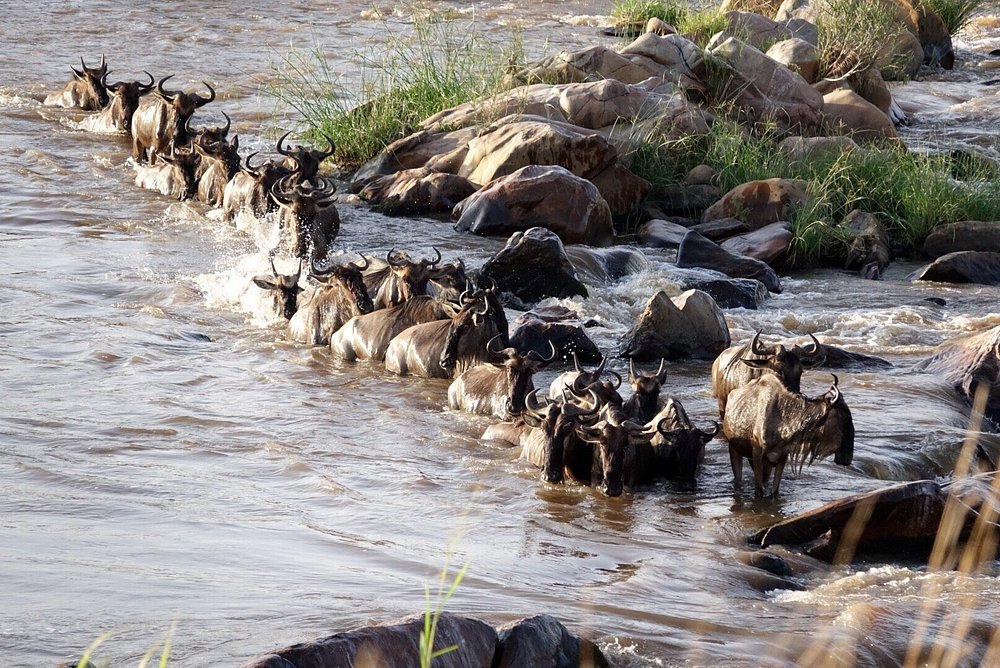
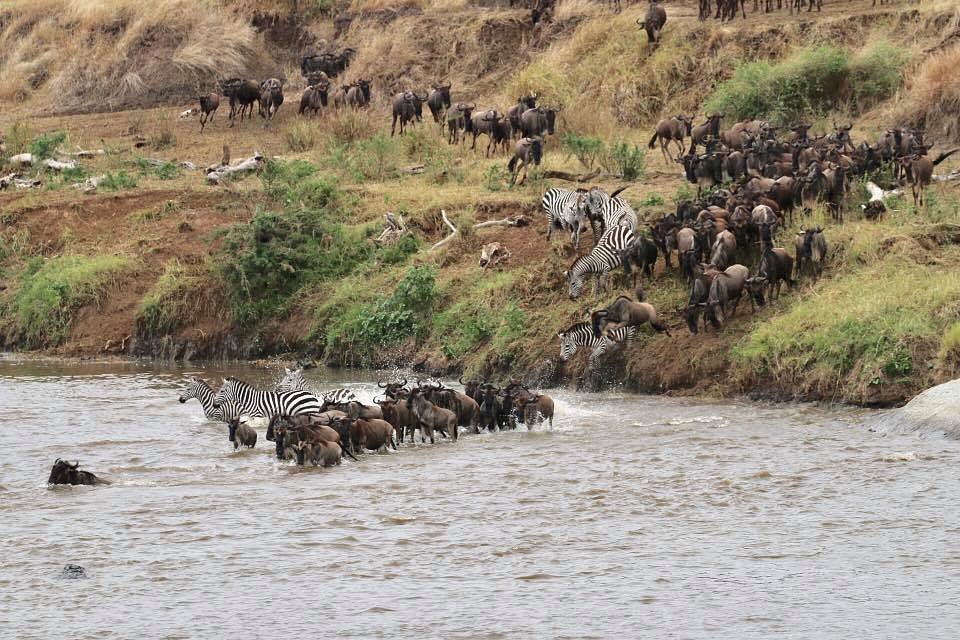
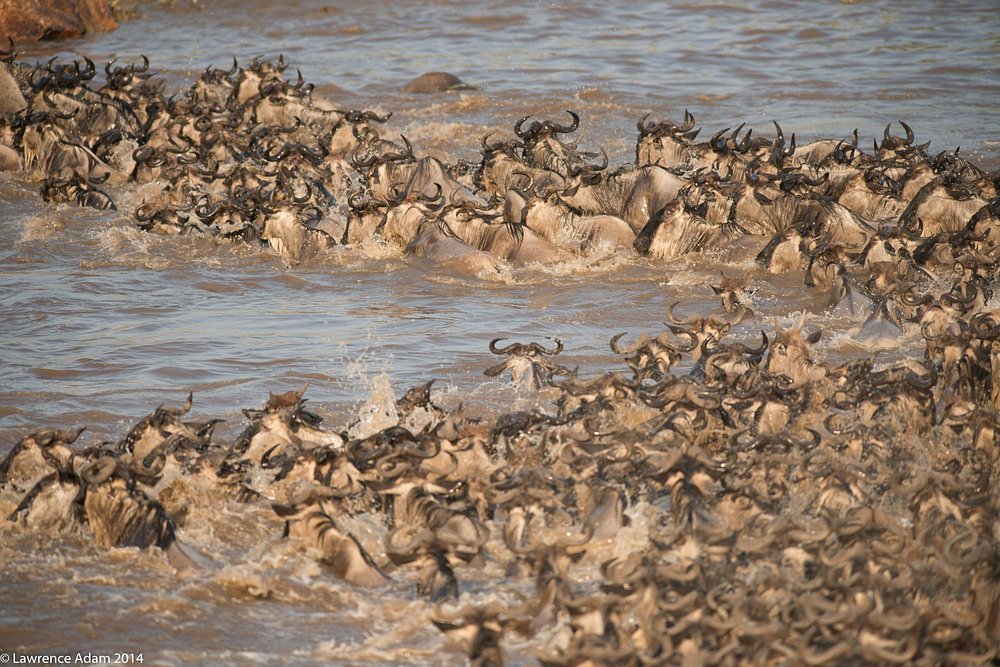
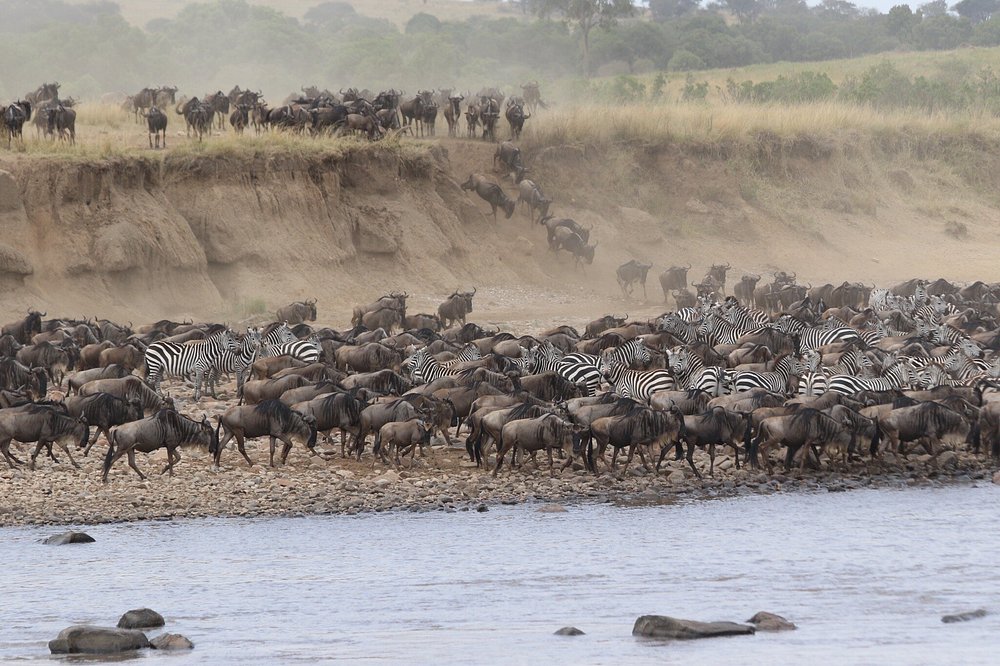
Few wildlife moments rival the drama of Great Migration river crossings. Thousands of wildebeest gather at the river’s edge. Crocodiles wait below. Dust rises. Tension builds. Then — suddenly — movement.
While these moments define the Great Migration in popular imagination, they are also misunderstood. River crossings are not scheduled events. They are instinctive, chaotic, and unpredictable.
This unpredictability is exactly why luxury safari design matters.
At Aether Safari Collection, we approach river crossings not as spectacles to chase, but as moments to position for intelligently.
Where Do Great Migration River Crossings Occur in Kenya?
Most crossings in Kenya take place along:
- The Mara River
- Smaller tributaries throughout the Masai Mara ecosystem
Crossings do not happen at a single point. There are dozens of potential crossing locations, many of which change yearly depending on rainfall and erosion.
Luxury safari planning requires deep local knowledge, not guesswork.
Why River Crossings Are Unpredictable by Nature
River crossings depend on:
- Herd pressure
- Predator positioning
- River depth and flow
- Weather patterns
Herds may wait hours — or days — before crossing. They may turn back repeatedly. Some crossings occur unexpectedly, far from popular viewing areas.
No safari operator can guarantee crossings. What luxury safaris can guarantee is time, patience, and flexibility.
Why River Crossings Are Unpredictable by Nature
River crossings depend on:
- Herd pressure
- Predator positioning
- River depth and flow
- Weather patterns
Herds may wait hours — or days — before crossing. They may turn back repeatedly. Some crossings occur unexpectedly, far from popular viewing areas.
No safari operator can guarantee crossings. What luxury safaris can guarantee is time, patience, and flexibility.
Why Private Conservancies Matter for River Crossings
Many of the most refined river-crossing experiences occur near conservancy boundaries.
Private conservancies offer:
- Fewer vehicles at sightings
- Off-road positioning
- Freedom to wait longer
- Alternative routes when crowds build
This allows guests to experience crossings without chaos — a defining feature of luxury safaris in Kenya.
Photography & River Crossings: A Luxury Perspective
River crossings are challenging to photograph:
- Fast movement
- Harsh light
- Dust and water spray
Luxury safaris enhance photography by:
- Allowing repositioning
- Reducing vehicle pressure
- Providing experienced photographic guides
This creates space for patience — the true currency of great wildlife photography.
Best Time of Day for River Crossings
Contrary to popular belief, crossings can happen:
- Early morning
- Midday
- Late afternoon
They are dictated by herd psychology, not the clock. This is why flexible schedules — a hallmark of luxury safaris — are essential.
Why River Crossings Are Only Part of the Migration Story
While crossings are dramatic, they represent just one aspect of the Great Migration.
Luxury safaris also focus on:
- Predator interactions
- Calving behavior
- Herd dynamics
- Landscape-scale movement
This broader perspective delivers a richer, more balanced Migration experience.
Why Aether Safari Collection Designs River-Crossing Safaris Differently
We track movement daily
We prioritise conservancy access
We avoid overcrowded viewpoints
We plan for multiple opportunities
We value experience over spectacle
Our goal is not to chase moments — but to create space for them.
Explore Great Migration Luxury Safaris
Witness river crossings — without compromise.
View Great Migration Luxury Safaris
FAQS: Great Migration River Crossings
Along the Mara River and its tributaries within the Masai Mara ecosystem.
No. Crossings are unpredictable by nature.
They can be, which is why private conservancies and expert planning matter.
Typically July to September, though crossings vary each year.
Yes. River-crossing strategy is integral to our Migration planning.