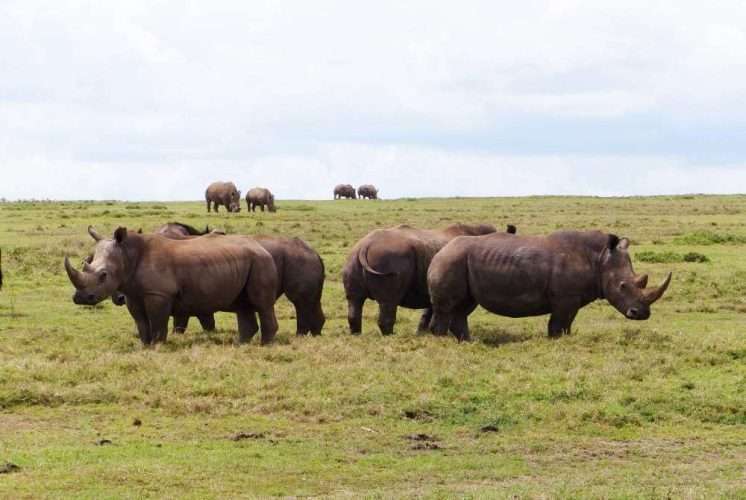
Rhinos
Your Complete Guide to the Rhino
Africa Kenya Safaris > Wild Animals > Rhinos
Introducing the Rhino, Nature's Gentle Giants
Prepare to embark on a fascinating journey into the world of rhinos—one of Africa’s most iconic and endangered animals. These magnificent creatures, with their prehistoric appearance and remarkable strength, are a cornerstone of Kenya’s incredible wildlife heritage. From the towering white rhino to the elusive and critically endangered black rhino, these animals captivate safari-goers with their size, power, and grace.
In this guide, you’ll uncover fascinating facts about rhinos, learn about their habitats and behaviors, and explore the vital conservation efforts protecting them. We’ll also answer some of the most frequently asked questions about rhinos, giving you deeper insights into their role in Africa’s ecosystem. Whether you’re planning a safari or simply curious about these gentle giants, this guide will inspire awe and appreciation for one of nature’s most remarkable creations.
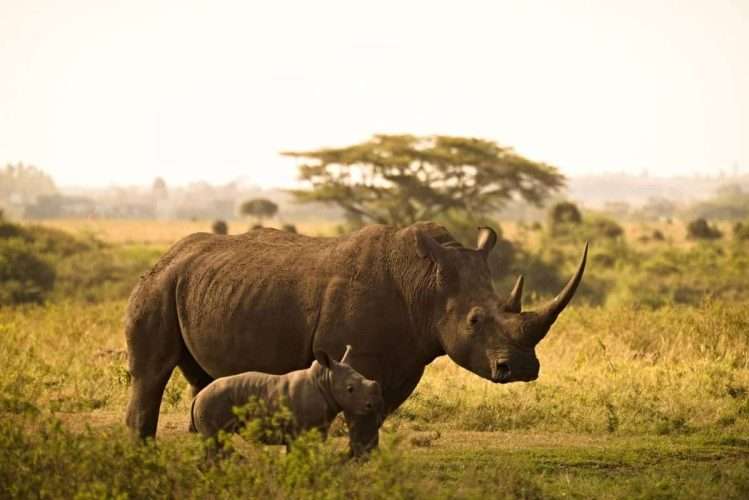
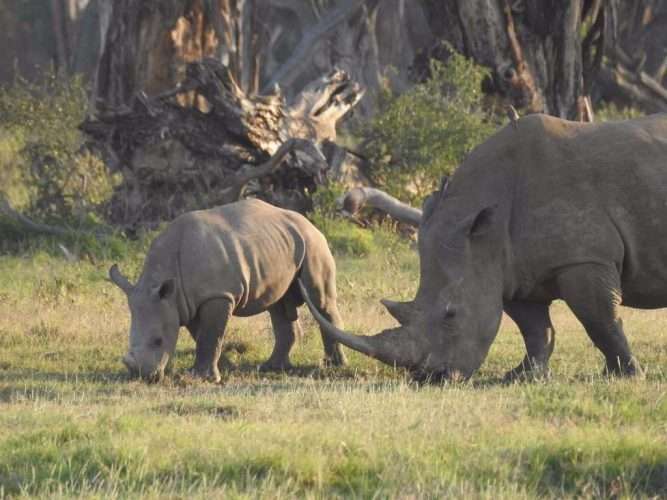
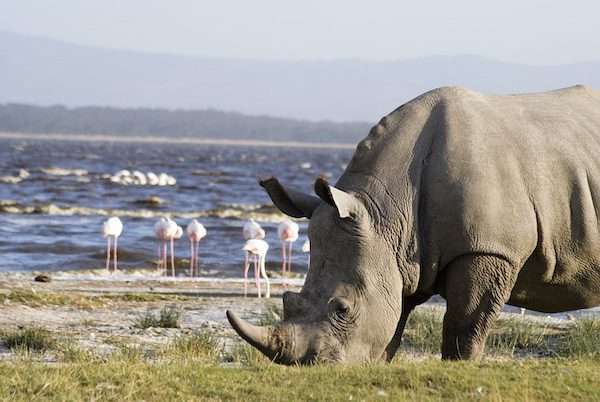
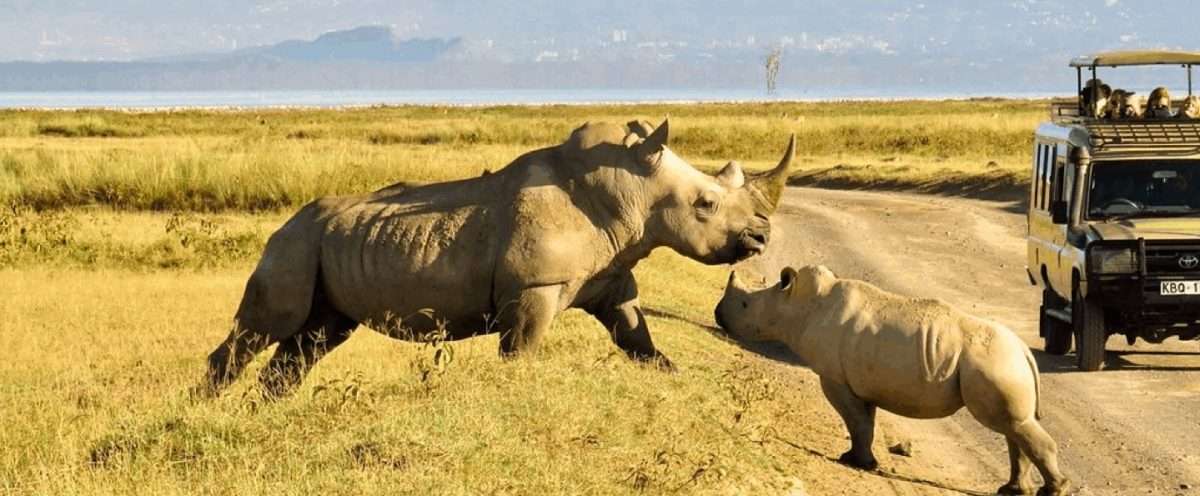
Rhino Pictures
Top 10 Fun Rhino Facts
- Rhinos Have Thick but Sensitive Skin
A rhino’s skin may look tough, but it’s surprisingly sensitive to sunburn and insect bites. That’s why they love wallowing in mud—it acts as a natural sunscreen and insect repellent. - There Are Five Rhino Species
The world is home to five rhino species: the white and black rhinos of Africa and the Indian, Javan, and Sumatran rhinos of Asia. Each species has unique features, such as the single horn of the Indian rhino or the two distinct humps of the white rhino. - Rhino Horns Are Made of Keratin
Unlike elephant tusks, rhino horns are made of keratin—the same material as human hair and nails. This fascinating structure grows continuously throughout their lifetime. - Rhinos Are Surprisingly Fast
Despite their bulky size, rhinos can run at speeds of up to 50 km/h (31 mph). Their speed and agility help them evade predators in the wild. - White Rhinos Aren’t Actually White
The name “white rhino” comes from a mistranslation of the Afrikaans word “wijd,” meaning “wide,” which describes their broad mouths. They are actually gray, just like black rhinos. - Black Rhinos Are Browsers, White Rhinos Are Grazers
Black rhinos feed on bushes and trees, using their prehensile lips to grab branches. In contrast, white rhinos have flat, wide mouths perfect for grazing on grass. - Baby Rhinos Are Called Calves
Rhino calves are born after a long gestation period of around 16 months. They stay with their mothers for up to three years, learning survival skills before venturing out on their own. - Rhinos Communicate Through Dung and Urine
Rhinos mark their territory by leaving dung piles, also known as middens, and using their urine. These scents convey information about their age, sex, and even reproductive status. - Rhinos Have Poor Eyesight but Excellent Senses
Rhinos rely on their keen sense of smell and hearing to navigate their environment, as their eyesight is relatively weak. They can detect predators or humans from far away through scent. - Rhinos Play a Vital Role in Ecosystems
As mega-herbivores, rhinos help shape the landscape by grazing and browsing, which promotes plant diversity. Their dung also supports nutrient cycles and provides food for smaller animals and insects.
Rhino Conservation
Safeguarding Rhinos Through Conservation Efforts
Rhino conservation is a global mission, with East Africa playing a crucial role in preserving these endangered animals. Black and white rhinos, native to the region, face severe threats from poaching and habitat loss. Conservation programs in Kenya and neighboring countries have implemented anti-poaching measures, community engagement, and habitat restoration to combat these challenges. National parks and conservancies serve as sanctuaries for rhinos, providing them with safe habitats and the resources needed for survival while offering controlled environments for population growth.
The Role of National Parks in Rhino Protection
Kenya’s national parks, such as Lake Nakuru and Nairobi National Park, are at the forefront of rhino conservation. These parks provide secure, fenced areas monitored by rangers and supported by advanced technology like GPS tracking to prevent poaching. By protecting their habitats, these parks ensure rhinos have access to food, water, and space to thrive. Visitors to these parks not only enjoy the chance to observe rhinos in the wild but also contribute directly to conservation efforts through park fees that fund ongoing protection initiatives.
Community and Tourism Support for Rhinos
Conservancies like Ol Pejeta have expanded conservation efforts by involving local communities. Through employment opportunities, education, and revenue-sharing initiatives, communities become active stakeholders in protecting rhinos. Responsible tourism also plays a vital role, as visits to these parks and conservancies help fund critical projects such as veterinary care, breeding programs, and habitat maintenance. Together, the combined efforts of national parks, conservancies, and global awareness campaigns are giving rhinos a fighting chance for a secure future. Witnessing these efforts firsthand on safari inspires hope and highlights the importance of protecting wildlife for generations to come.
Rhino FAQs - Answers to All Your Rhino Questions!

Rhino FAQs – Conservation Facts
Why are rhinos endangered?
Rhinos are endangered due to poaching and habitat loss. Poachers target rhinos for their horns, which are highly valued in illegal wildlife trade, while human activities like agriculture and urbanization destroy their natural habitats. Conservation efforts are underway to protect rhino populations, but they remain critically threatened.
How many white rhinos are left?
As of 2023, there are approximately 17,464 white rhinos remaining in the wild. This marks a significant recovery from the early 1900s when their numbers were critically low, with fewer than 100 individuals. The majority of these rhinos are found in South Africa, with smaller populations in Namibia, Zimbabwe, Kenya, and Eswatini. Conservation efforts have been instrumental in this recovery, though poaching remains a significant threat to their continued survival.
How many rhinos are left in the world?
There are approximately 27,000 rhinos left in the world, spread across five species: white rhinos, black rhinos, Indian rhinos, Javan rhinos, and Sumatran rhinos. The majority of rhinos are found in South Africa, with smaller populations in countries like Namibia, Kenya, India, and Indonesia. Conservation efforts have helped stabilize some populations, though rhinos remain threatened by poaching and habitat loss.
Are rhinos extinct?
Rhinos are not extinct, but they are endangered, with only five species remaining in the world. The white rhino and black rhino populations are steadily recovering due to ongoing conservation efforts, though species like the Javan and Sumatran rhinos are critically endangered. Poaching and habitat loss continue to threaten their survival, making conservation efforts vital to their future.
Are white rhinos extinct?
White rhinos are not extinct, but they are classified as near-threatened. There are around 17,000 white rhinos remaining, primarily found in South Africa, with smaller populations in other African countries. While conservation efforts have helped their numbers recover, poaching and habitat loss still pose significant threats to their survival.
How many northern white rhinos are left?
As of 2023, there are only two northern white rhinos left in the world, both of which are female. These last remaining northern white rhinos live under strict protection at the Ol Pejeta Conservancy in Kenya. The subspecies was declared functionally extinct in the wild due to poaching and habitat loss, with no known viable males left for reproduction.
How many black rhinos are left?
As of 2023, there are approximately 5,000 black rhinos left in the world. These rhinos are primarily found in South Africa, Kenya, and Zimbabwe, with ongoing conservation efforts helping to stabilize their populations. Despite this progress, black rhinos remain critically endangered due to poaching and habitat destruction.
Why are black rhinos endangered?
Black rhinos are endangered primarily due to poaching for their horns and habitat loss. Their horns are highly valued in illegal wildlife trade, and they also face threats from human encroachment, which reduces their natural habitats. Conservation efforts are critical to combat poaching and protect these rhinos in the wild.
Which rhino is extinct?
The Western Black Rhino was declared extinct in 2011 by the International Union for Conservation of Nature (IUCN). This subspecies of black rhino was primarily found in central and west Africa but was driven to extinction due to poaching and habitat loss. Conservation efforts continue to protect other rhino species from facing a similar fate.
Why are rhino horns poached?
Rhino horns are poached primarily for their high value on the black market, where they are sold for use in traditional medicine, as status symbols, and for carving ornamental items. Despite being made of keratin, the same substance found in human hair and nails, rhino horn is believed to have medicinal properties in some cultures. The high demand for rhino horn has led to widespread poaching, pushing many rhino species to the brink of extinction.
How many Javan rhinos are left?
As of 2023, there are fewer than 75 Javan rhinos left in the world. All remaining Javan rhinos are found in Ujung Kulon National Park in Indonesia. This critically endangered species faces threats from habitat loss, natural disasters, and limited genetic diversity, making conservation efforts vital to its survival.
How many living species of rhino are there?
There are five living species of rhino: the white rhino, black rhino, Indian rhino, Javan rhino, and Sumatran rhino. These species are found across Africa and Asia, with varying population sizes and conservation statuses. While some species, like the white rhino, have stable populations, others, such as the Javan and Sumatran rhinos, are critically endangered.
Rhino FAQs – Biology Facts
What do rhinos eat?
Rhinos eat a variety of plant materials, including grasses, leaves, fruits, and shrubs. Their diet depends on the species; for example, white rhinos primarily graze on grass, while black rhinos prefer browsing on shrubs and trees. Rhinos are herbivores and play an important role in maintaining the balance of their ecosystems by controlling plant growth.
How fast can a rhino run?
A rhino can run at speeds of up to 30 to 35 miles per hour (48 to 56 km/h). Despite their large size, rhinos are surprisingly fast and can maintain short bursts of speed, particularly when threatened. Their speed helps them escape danger or assert dominance within their territory.
How much does a rhino weigh?
A rhino can weigh between 1,800 to 5,000 pounds (800 to 2,300 kg), depending on the species. White rhinos are the largest, with males weighing up to 5,000 pounds, while smaller species like the Sumatran rhino weigh around 1,800 pounds. Their massive size contributes to their strength and ability to dominate their environment.
What are rhino tusks made of?
Rhino tusks are made of keratin, the same protein that forms human hair and nails. Unlike the ivory tusks of elephants, rhino horns are not bone but compacted keratin fibers that grow continuously throughout their lives. This material is lightweight yet strong, contributing to the horn’s durability and value in illegal wildlife trade.
Where do rhinos live?
Rhinos live in grasslands, savannahs, and tropical forests across Africa and Asia. In Africa, white and black rhinos can be found in countries like Kenya and Tanzania, with black rhinos residing in national parks such as Kenya’s Maasai Mara and Tanzania’s Serengeti. In Asia, Indian rhinos inhabit grasslands in India and Nepal, while Javan and Sumatran rhinos are found in protected forests in Indonesia.
How long do rhinos live?
Rhinos live for an average of 35 to 50 years in the wild, depending on the species. White and black rhinos in Africa tend to have a lifespan of up to 40 to 50 years, while Indian, Javan, and Sumatran rhinos in Asia live around 35 to 45 years. In captivity, rhinos may live even longer due to the absence of predators and consistent care.
What is a group of rhinos called?
A group of rhinos is called a crash. This unique term reflects the rhino’s powerful and imposing nature, as well as their tendency to charge when threatened. Crashes are typically made up of female rhinos and their calves, while males are more solitary and join groups temporarily during mating.
What noise does a rhino make?
A rhino makes a variety of noises, including grunts, growls, snorts, and bellows, depending on the situation. These sounds are used for communication, such as warning others of danger, signaling distress, or establishing dominance. Calves often make squeaking noises to communicate with their mothers.
Are rhinos herbivores?
Rhinos are herbivores, feeding exclusively on plant material such as grasses, leaves, shrubs, and fruits. Their diet varies by species, with white rhinos grazing primarily on grass, while black rhinos browse on shrubs and trees. As herbivores, rhinos play a vital role in shaping their ecosystems by maintaining vegetation balance.
What animals do rhinos eat?
Rhinos do not eat animals, as they are strictly herbivores. Their diet consists of grasses, leaves, fruits, and shrubs, depending on the species and their habitat. Rhinos play a crucial role in their ecosystems by feeding on vegetation and helping to shape the landscape.
How long are rhinos pregnant?
Rhinos are pregnant for approximately 15 to 16 months, depending on the species. This lengthy gestation period results in the birth of a single calf, which is typically weaned after one to two years. The extended pregnancy and long interval between births make rhino populations especially vulnerable to threats like poaching and habitat loss.
Can rhinos swim?
Yes, rhinos can swim and are surprisingly strong swimmers despite their large size. They use their powerful legs to paddle through water and often enjoy wading in rivers or lakes to cool off and protect their skin from the sun. Swimming also helps rhinos escape predators and access resources in their habitats.
Do rhinos lay eggs?
No, rhinos do not lay eggs as they are mammals. Rhinos give birth to live young after a gestation period of 15 to 16 months. Newborn rhino calves are cared for by their mothers and rely on them for protection and nourishment during their early years.
How do you spell rhino?
The word “rhino” is a short form of “rhinoceros,” which is spelled R-H-I-N-O-C-E-R-O-S. The term “rhinoceros” comes from the Greek words “rhino,” meaning “nose,” and “keras,” meaning “horn,” referring to the animal’s distinctive horn on its nose. “Rhino” is commonly used as an informal or shortened version of the full word.
Are rhinos aggressive?
Rhinos are generally not aggressive but can become highly territorial and protective, especially when they feel threatened or are surprised. While they tend to be solitary and prefer to avoid confrontation, they are capable of charging at high speeds if they perceive danger to themselves or their young. Their aggression is a defense mechanism rather than a typical behavior.
Are rhinos dangerous?
Rhinos are potentially dangerous due to their size, strength, and protective instincts, especially when they feel threatened. They can charge at speeds of up to 30 miles per hour and use their powerful horns as a defense mechanism. However, rhinos are generally peaceful animals and only become aggressive when provoked or startled.
Are rhinos dinosaurs?
Rhinos are not dinosaurs, though they share some similarities in size and appearance. They are mammals that belong to the order Perissodactyla, which also includes horses and zebras. While dinosaurs lived millions of years ago, rhinos evolved long after their extinction and are part of a separate evolutionary branch.
What are rhino tusks used for?
Rhino tusks are used primarily for defense, dominance displays, and digging for water or food in the wild. While rhinos use their tusks for survival and establishing territory, humans unfortunately poach them for illegal trade, believing the horns have medicinal properties and are valuable as status symbols. This has contributed to the decline in rhino populations.
What is a young rhino called?
A young rhino is called a calf. Calves are typically born after a long gestation period of 15 to 16 months and are cared for by their mothers, staying close to her for protection and nourishment. Rhino calves are dependent on their mothers for the first few years of life.
Can rhinos jump?
Rhinos are not known for jumping, as their large size and heavy bodies make it difficult for them to leap. However, they are capable of running at high speeds and can navigate over obstacles in their path. Despite not being agile jumpers, they are strong swimmers and can move through water with ease.
How long and tall is a rhino?
Rhinos typically range in length from 10 to 13 feet (3 to 4 meters) and stand between 4.5 to 6 feet (1.4 to 1.8 meters) tall at the shoulder, depending on the species. White rhinos are the largest, while black rhinos tend to be slightly smaller. Their large size and weight make them one of the heaviest land mammals.
How many horns does a rhino have?
Rhinos have one or two horns, depending on the species. Most rhinos, like the black and white rhino, have two horns, while the Indian, Javan, and Sumatran rhinos only have one. These horns are made of keratin, the same substance found in human hair and nails, and serve as tools for defense and foraging.
Rhino Safari FAQs
Where can I see rhinos in Kenya?
In Kenya, rhinos can be seen in national parks and reserves such as the Maasai Mara, Nairobi National Park, and Ol Pejeta Conservancy. These protected areas offer sanctuary to both black and white rhinos, with efforts focused on their conservation and protection. Visitors can spot these magnificent creatures while on safari or guided tours.
Are there rhinos in Tanzania?
There are rhinos in Tanzania, primarily in protected areas such as the Ngorongoro Crater and Serengeti National Park. Tanzania is home to both black and white rhinos, with conservation efforts in place to protect these endangered species. However, their populations are limited, and they are carefully monitored to prevent poaching and habitat loss.
Can I see rhinos on safari?
You can see rhinos on safari in Kenya and Tanzania, with opportunities to spot both black and white rhinos in national parks like Maasai Mara and Ngorongoro Crater. Guided safari tours provided by Africa Kenya Safaris offer expert-led excursions, ensuring a chance to see these incredible animals in their natural habitat. These tours provide valuable insights into rhino conservation efforts while giving you an unforgettable wildlife experience.
Love Rhinos? Join a Safari & See a Rhino for Real!
Reading and learning about rhinos is fascinating, but nothing compares to the thrill of seeing these majestic creatures in their natural habitat. Watching a rhino roam freely across the African plains is an unforgettable experience that connects you to the wild in a profound way. Let Africa Kenya Safaris take you on a journey to encounter these incredible giants up close. Join us for a safari adventure that brings the beauty and wonder of rhinos to life—an experience that will stay with you forever.
Choose Your East Africa Safari Tour
Our Africa Safaris in Kenya, Tanzania & Zanzibar
Check out our many East Africa safari tours:
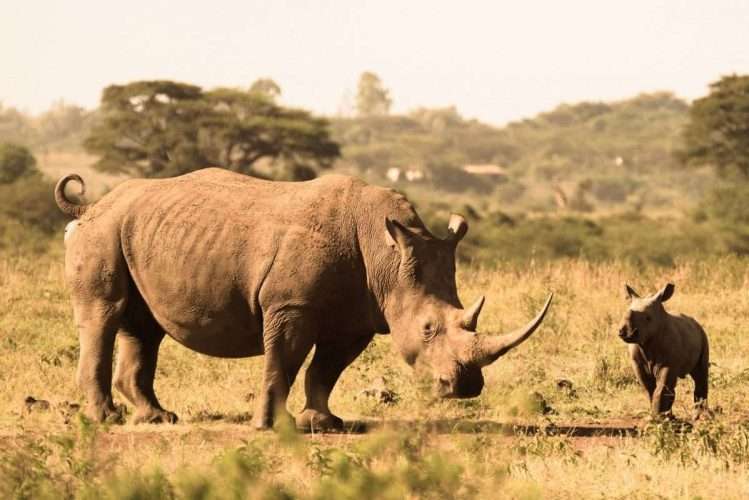
NAIROBI EXCURSIONS & DAY TRIPS
Africa Kenya Safaris offers you full and half-day excursions & trips from Nairobi
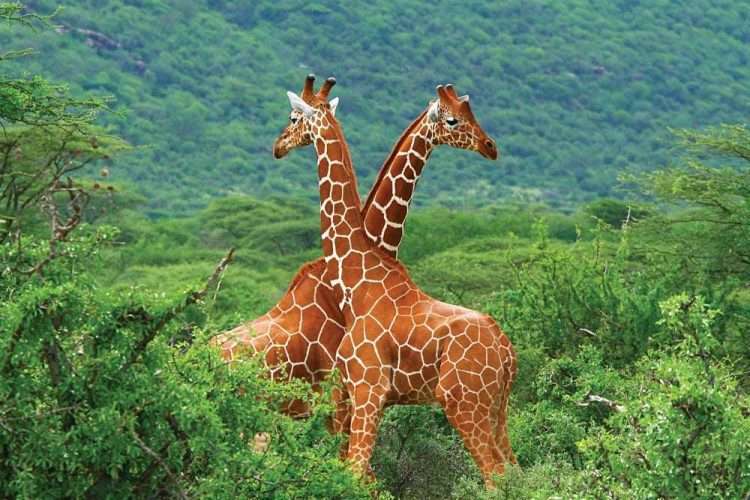
KENYA SAFARI TOURS FROM NAIROBI
Explore our multi-day Kenya safari adventures ranging from 2 - 12 days from Nairobi - Africa's safari capital
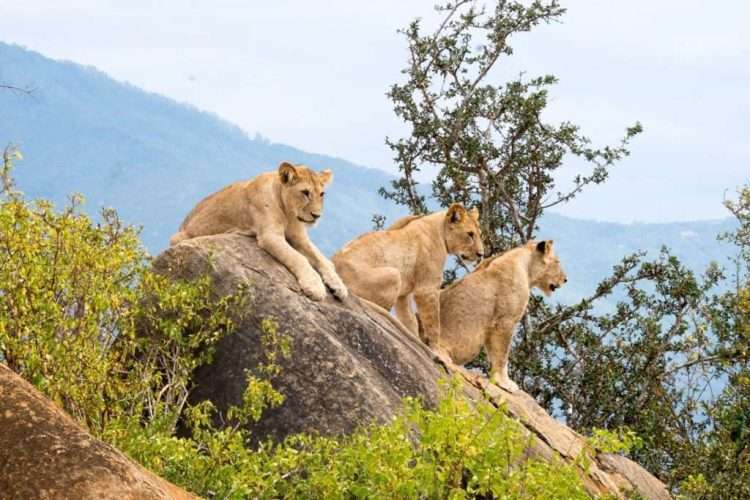
NAIROBI TO DIANI BEACH SAFARIS
Enjoy a Kenya wildlife safari then finish up your holiday at Kenya’s Diani Beach.

DIANI BEACH KENYA SAFARIS & ACTIVITIES
Explore our Kenya safaris from beach resorts of Diani - voted Africa's leading beach destination
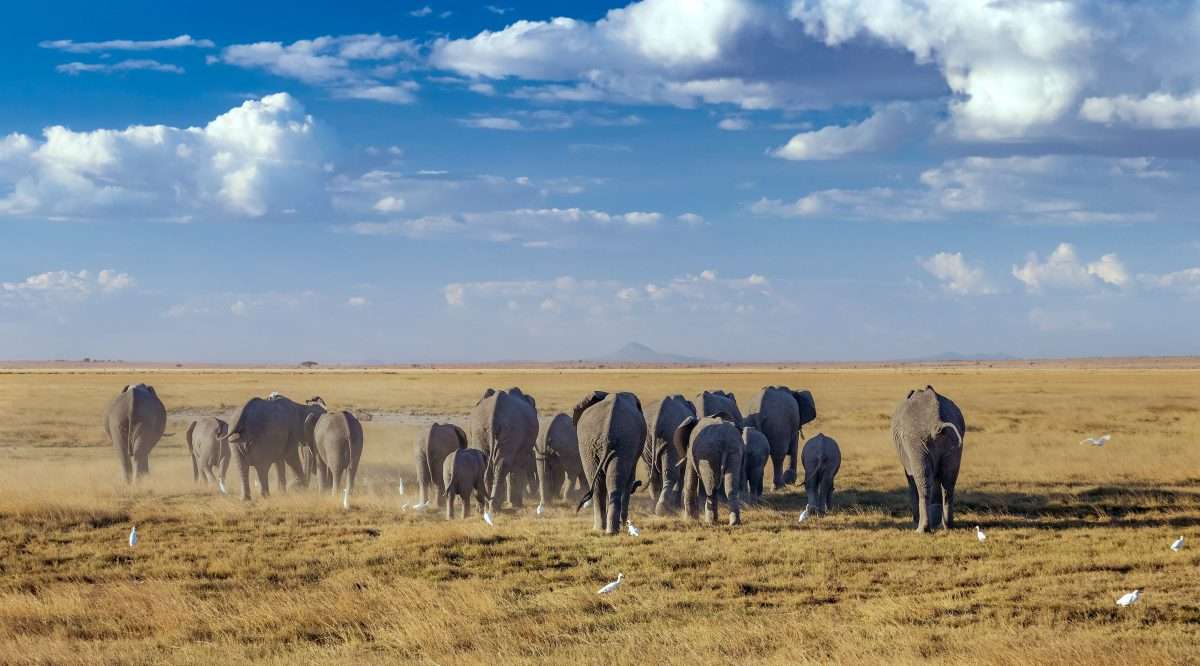
AMBOSELI KENYA SAFARIS
Explore Amboseli - best place to see large herds of free-ranging elephants and scenic views of Mount Kilimanjaro
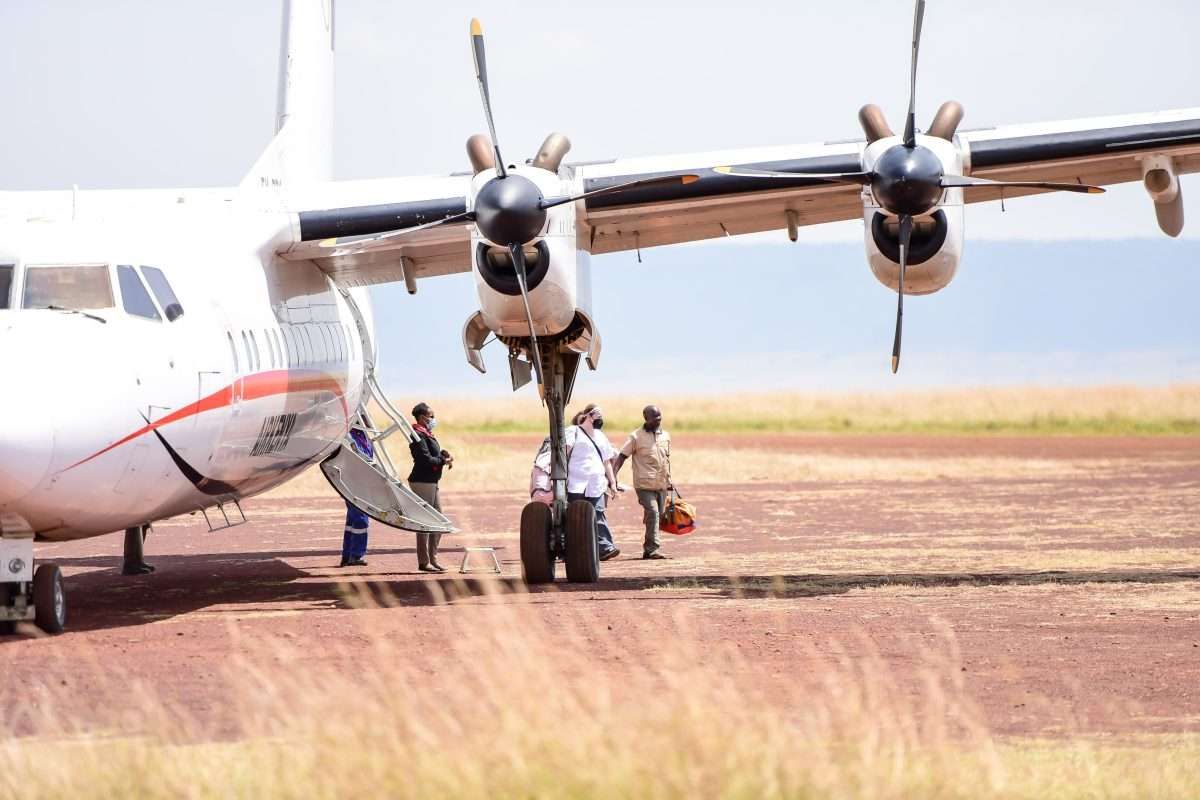
KENYA FLIGHT SAFARIS
Book Kenya flight Safaris and explore Masai Mara, Amboseli, Samburu & Lewa Conservancy.
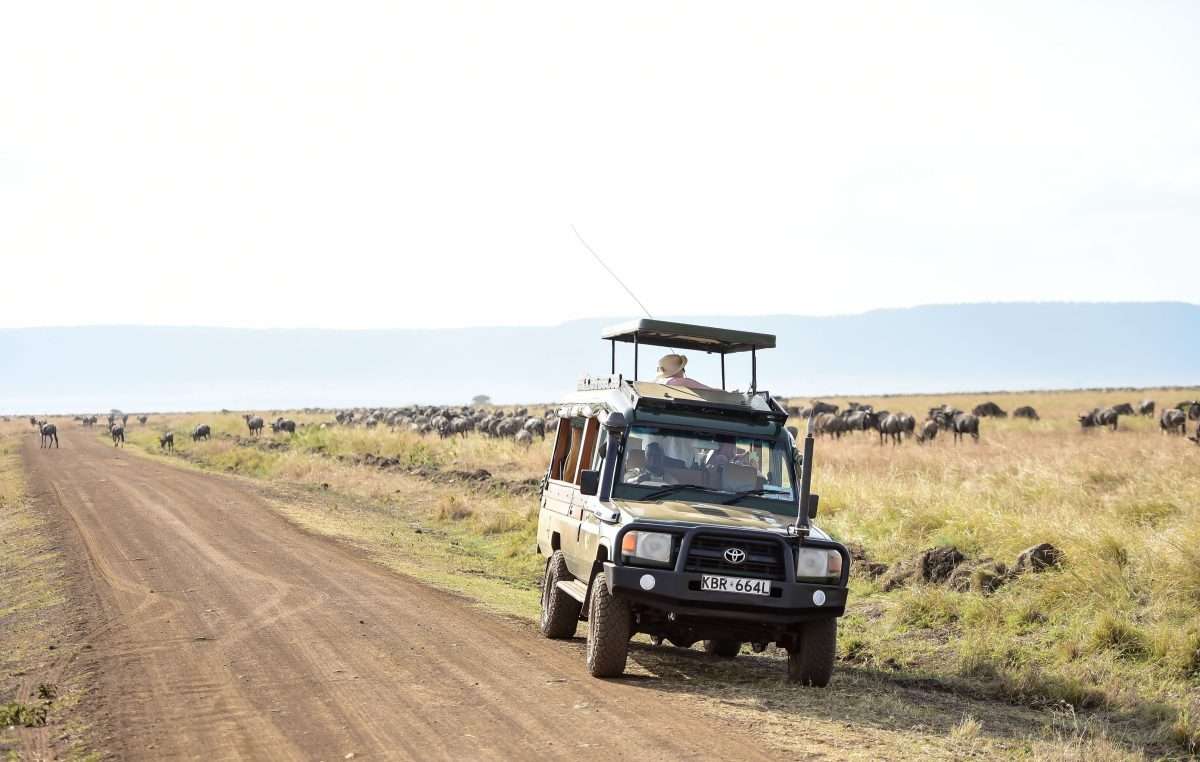
MASAI MARA KENYA SAFARIS
Masai Mara is home of the Great Wildebeest Migration, Big Five of Africa, Big cats, Masai culture etc.
KENYA BEACH TO NAIROBI SAFARIS
Book Exciting African safaris from Diani beach resorts.
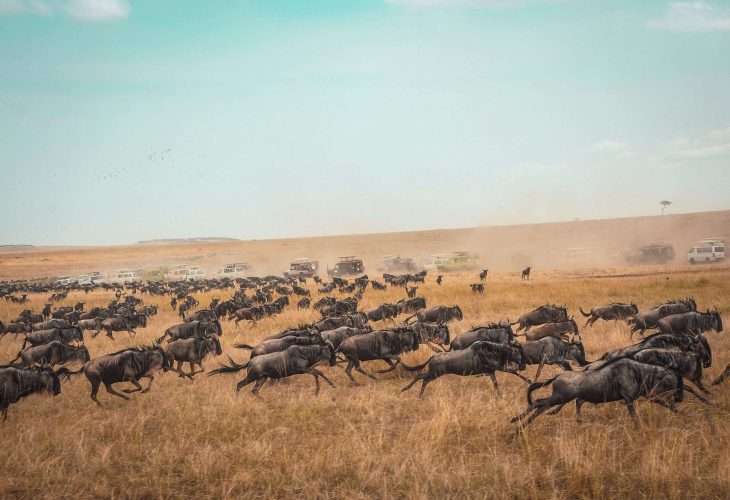
KENYA-TANZANIA SAFARIS
Experience wildlife parks, beaches and mountains of Kenya & Tanzania.
KENYA SAFARI & DIANI BEACH
Experience the best of both worlds - a thrilling Kenya safari and a dream Diani beach vacation

KENYA SHORT GROUP SAFARIS
Join our exciting Kenya short Group safari Tours from Nairobi in 4x4 safari jeeps
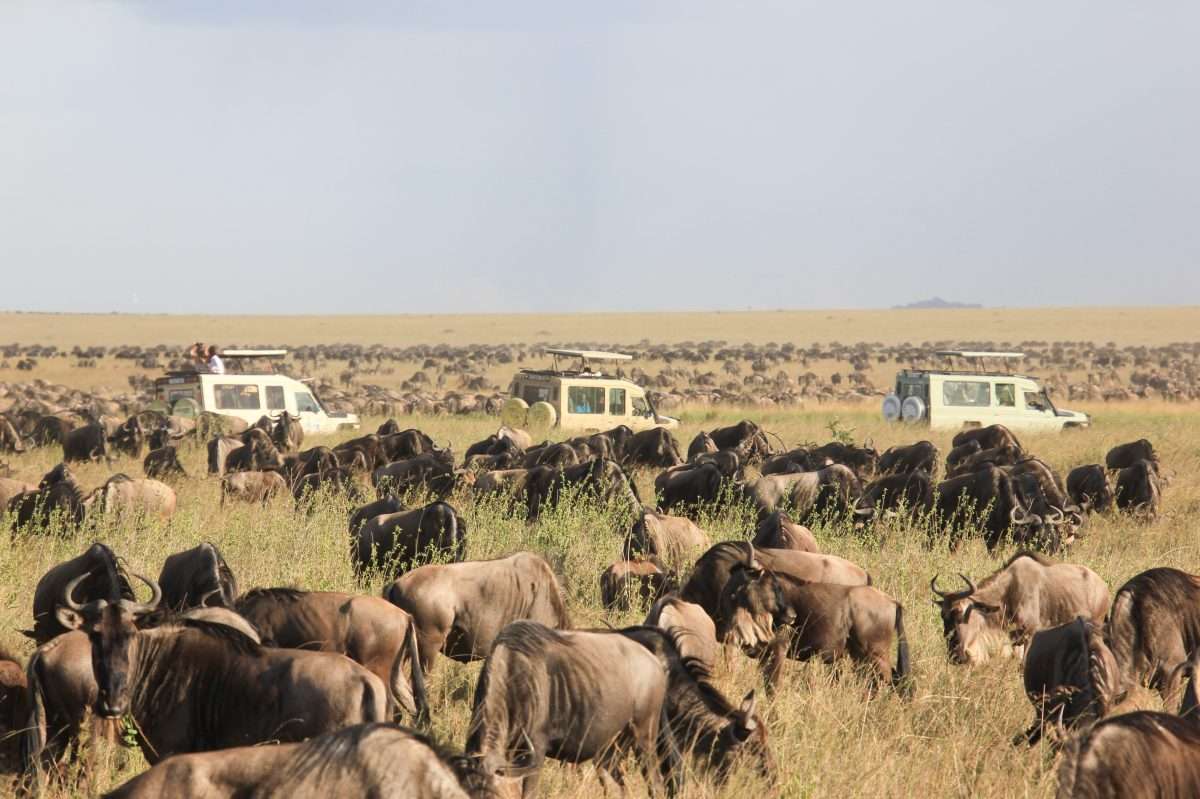
TANZANIA SAFARI HOLIDAYS
Exciting 4x4 Tanzania safaris from Arusha town. Explore Serengeti, Ngorongoro, Manyara & Tarangire.

ZANZIBAR BEACH HOLIDAYS
Pre/post your African safari holiday in Kenya & Tanzania, 'escape' to Africa's leading beach destination - Zanzibar!

MOUNTAIN CLIMBING ADVENTURES
Best Africa mountain climbing adventure tours. Climb Mount Kenya and Mount Kilimanjaro

EAST AFRICA BEACH HOLIDAYS
Best family-friendly beach holidays on the sandy beaches of Mombasa, Diani, Malindi, Watamu, Lamu & Zanzibar

HOLIDAY EXPERIENCES
You came to Africa to live an experience – to see the lions, leopards, great marching elephants up close & so much more!
Customize your dream African safari
At Africa Kenya Safaris we are always flexible with your options, we will offer our thoughts on seasons, budgets, lifestyle, accommodations, first-hand experience of the parks, and all the possible activities to fill out your safari story. We’ll work with your impressions and dreams and add our ideas on which to build your adventure.