
MASAI MARA NATIONAL RESERVE
A River of Wildlife
Welcome to the Masai Mara
Its name is exotic; its vast, rolling savannahs pulsing with great stomping herds is even more striking. Welcome to Masai Mara National Reserve, the richest eco-system in this region of Africa. This is the home of the Great Migration, the planet’s most abundant display of flowing wildlife – over two million animals on their yearly trek of survival. No other safari will bring you close to this explosion of primal nature in such stunning numbers.
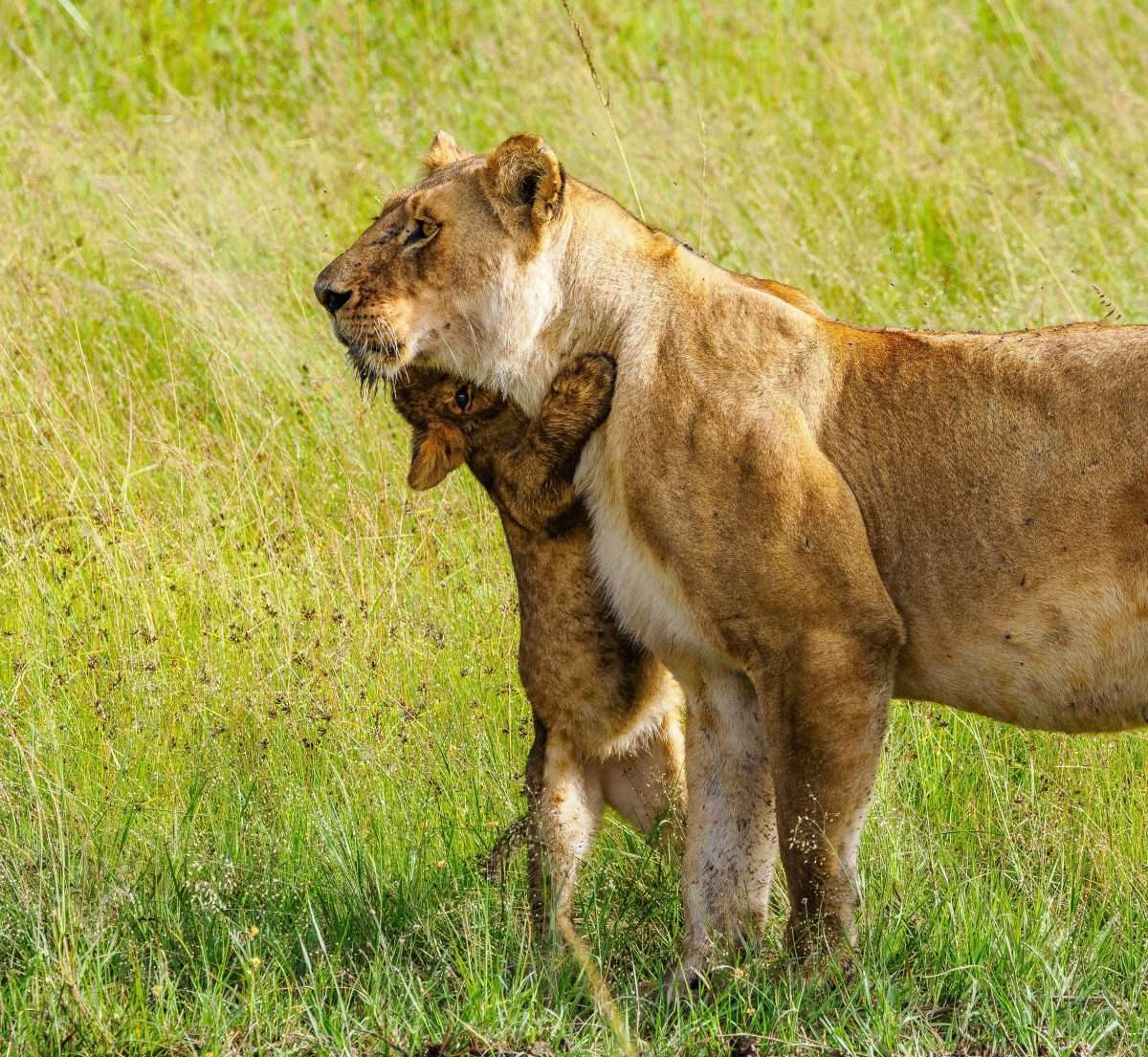
But this onslaught of wildebeest, zebra, and gazelle is but one aspect of the bounty to be found in the Mara. This is also a land of predators – numerous prides of lion make this their home, along with cheetah, leopard, jackal, hyena, and other carnivores searching this ancient land for likely prey.
Why Masai Mara National Park is Kenya’s Most Popular Park
The abundance of wildlife at the Masai Mara National Park draws safari lovers worldwide.
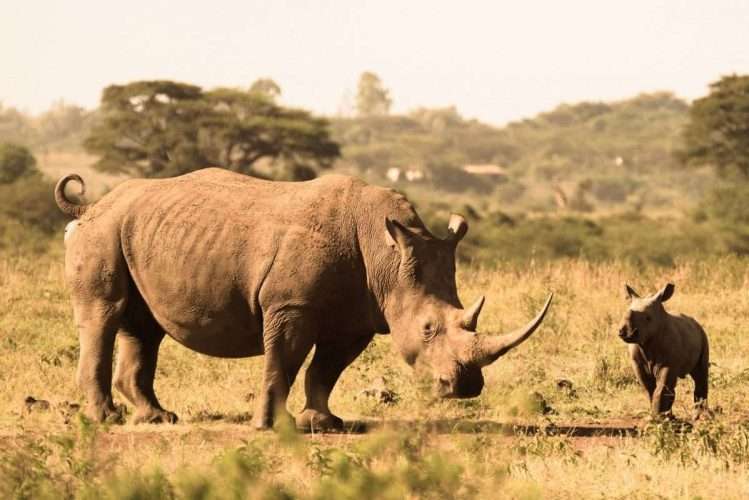
They come to spot Africa’s “Big Five” – lion, leopard, elephant, buffalo, and rhino. But there are more than 95 mammal species found in these rolling hills and rivers.
You’ll discover topi, eland, giraffe, fox, and birdlife like kingfisher, guinea fowl, and all sorts of raptors. There are few if any parks where you’ll spot more wildlife.
The Great Migration
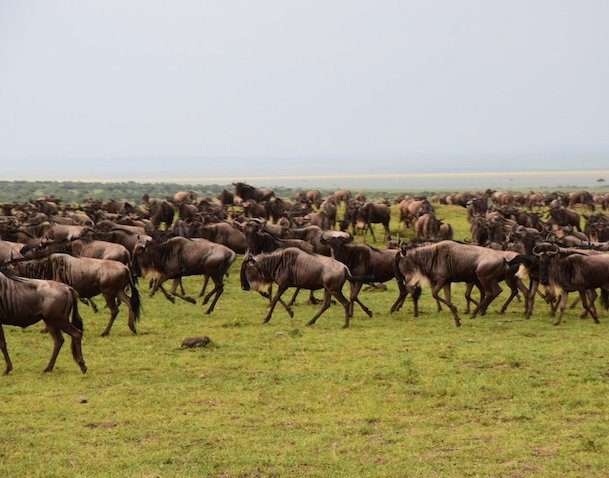
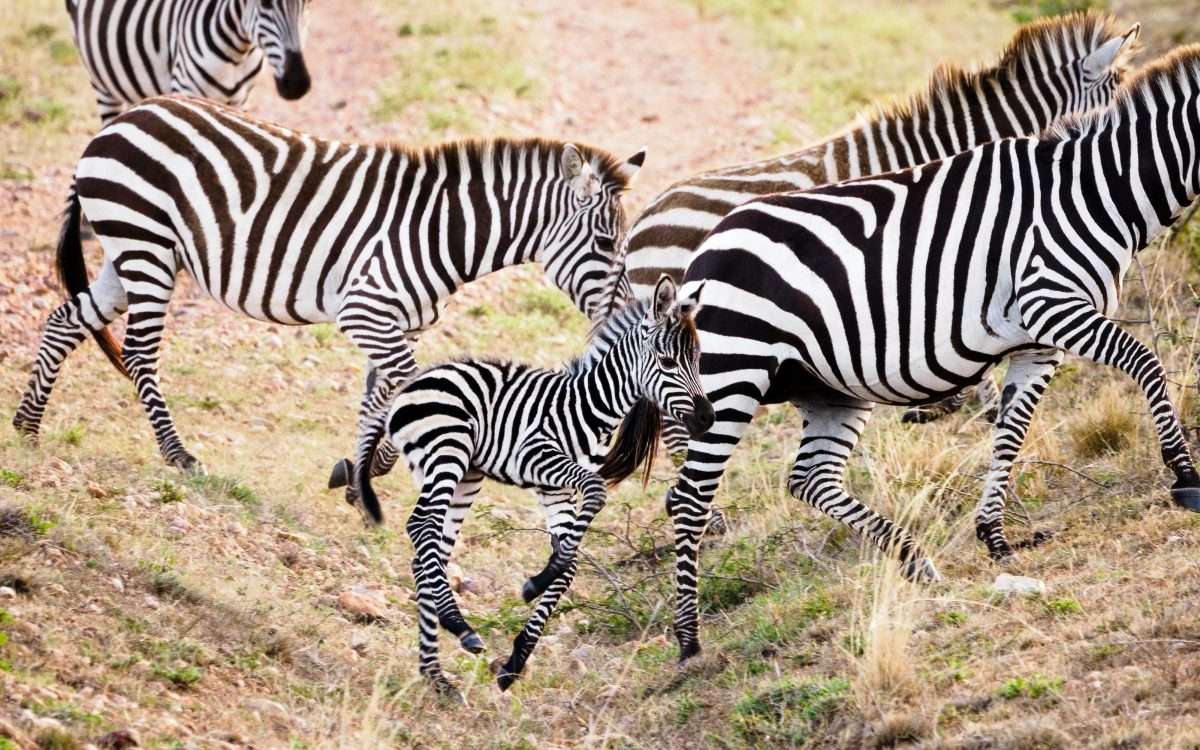
It pours across the Mara River from the nearby Serengeti like a mass exodus of the animal kingdom – expect to see waves of zebras arriving first, followed by great hordes of wildebeests flowing into these tawny grasslands. From July to October, the sight of these millions mesmerizes the park’s expectant visitors.
Also, lying in wait for this yearly flow of wildlife are Nile crocodiles, lions, cheetahs, and the many other predators drawn to this influx of nomadic grazers. It is quite simply the largest movement of animals on the planet.
The Maasai
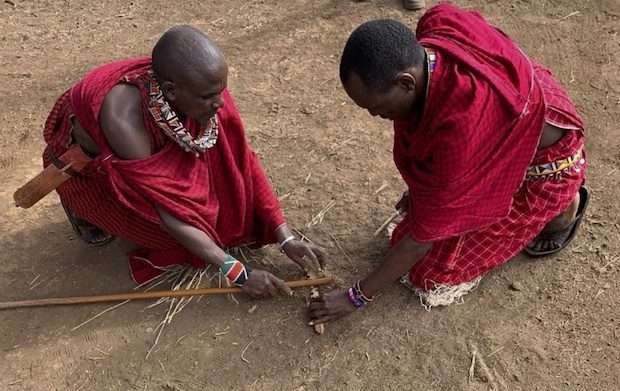
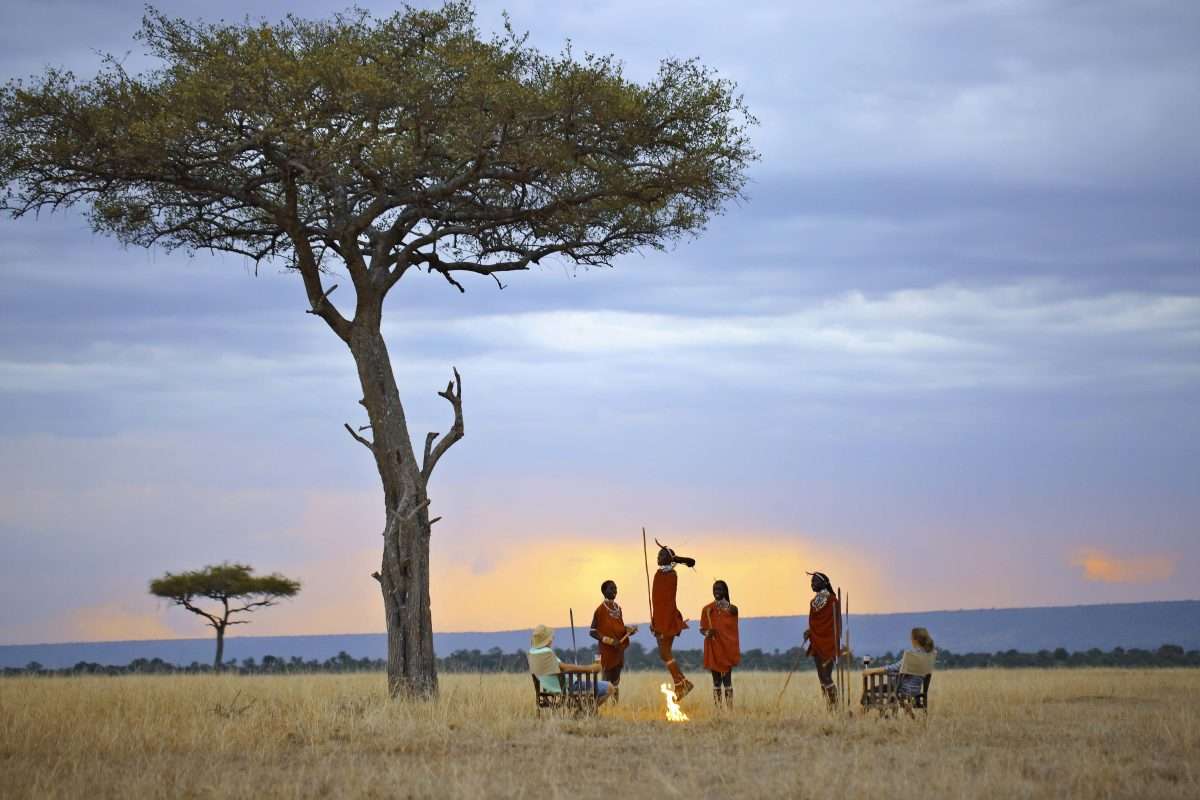
Sharing this land flocked with distinctive acacia trees are the Maasai people, nomadic herders from whom the park takes its name. They construct traditional villages surrounding the reserve and live as they have for eons, herding their cattle and pushing back at an ever-encroaching modern world.
Known for their brightly colored shukas and deft beadwork, the Maasai are a living link to a past that stretches back beyond colonial Africa, to an era when the entire continent was wild and untouched.
Masai Mara National Reserve Highlights
The Great Migration – In their search for the sustenance of taller grasses, thousands and then millions of wildebeest, zebra, topi, eland, and gazelle make their yearly trek into the Mara lands.
From July to October in a great circle route from Tanzania, into Kenya, and then back to Tanzania, this endless train of wildlife forms an unbroken spectacle – a magnificent natural display.
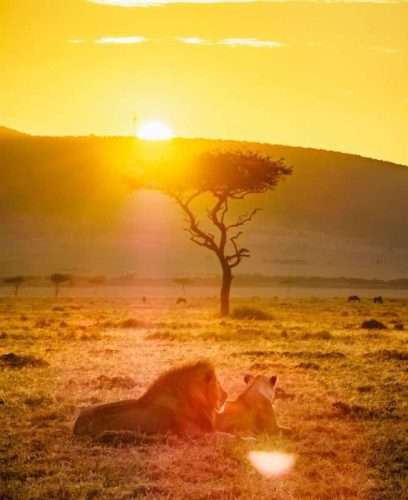
The Big Cats and More – It’s been said that the Mara holds the greatest concentration of lions in Africa. The many prides here are not difficult to spot and patient observers will often spot leopards as well. One can’t spend a day traversing this rich park without encountering an abundance of wildlife in their natural setting.
The Maasai People – While in the Mara, one should visit the Maasai in their nearby villages. Their homes, bomas, and structures are hand-built and authentic. Learn about their traditional lifestyle and enjoy their ceremonies, rituals, and their crafts.
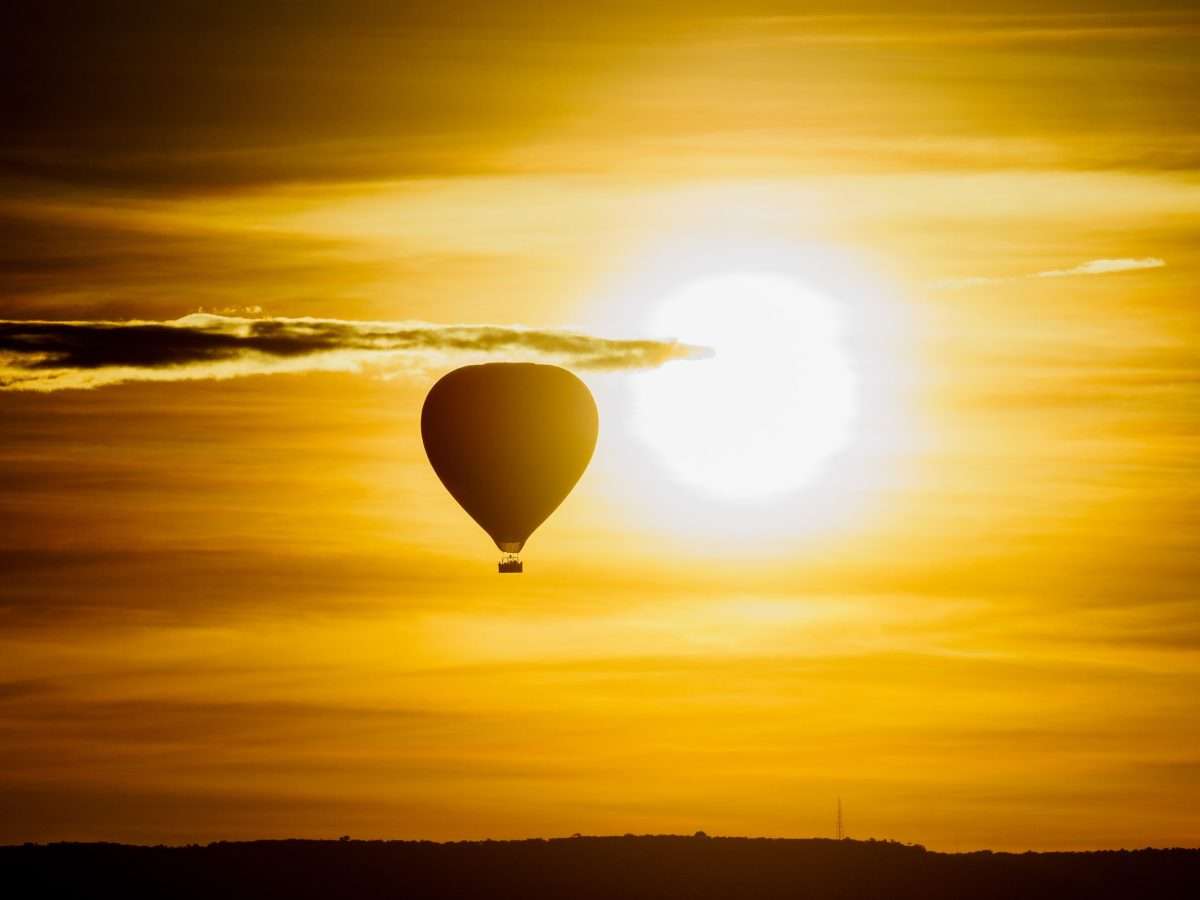
Early Morning Balloon Ride – The perfect way to appreciate this stirring park, especially during the months of the Great Migration – take a dawn hot air balloon safari. It’s an unforgettable journey sailing over the wildlife and the land lit by the early morning sun.
Animals of the Masai Mara Game Reserve
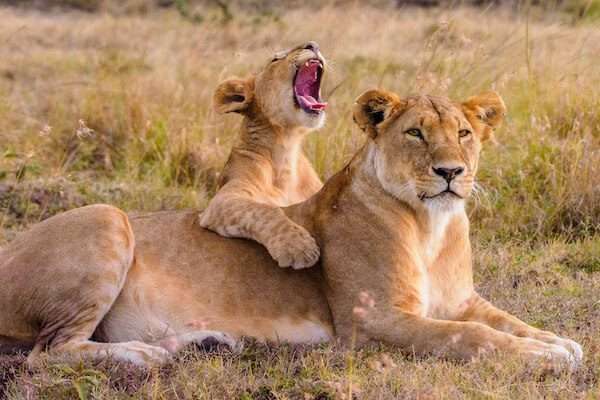
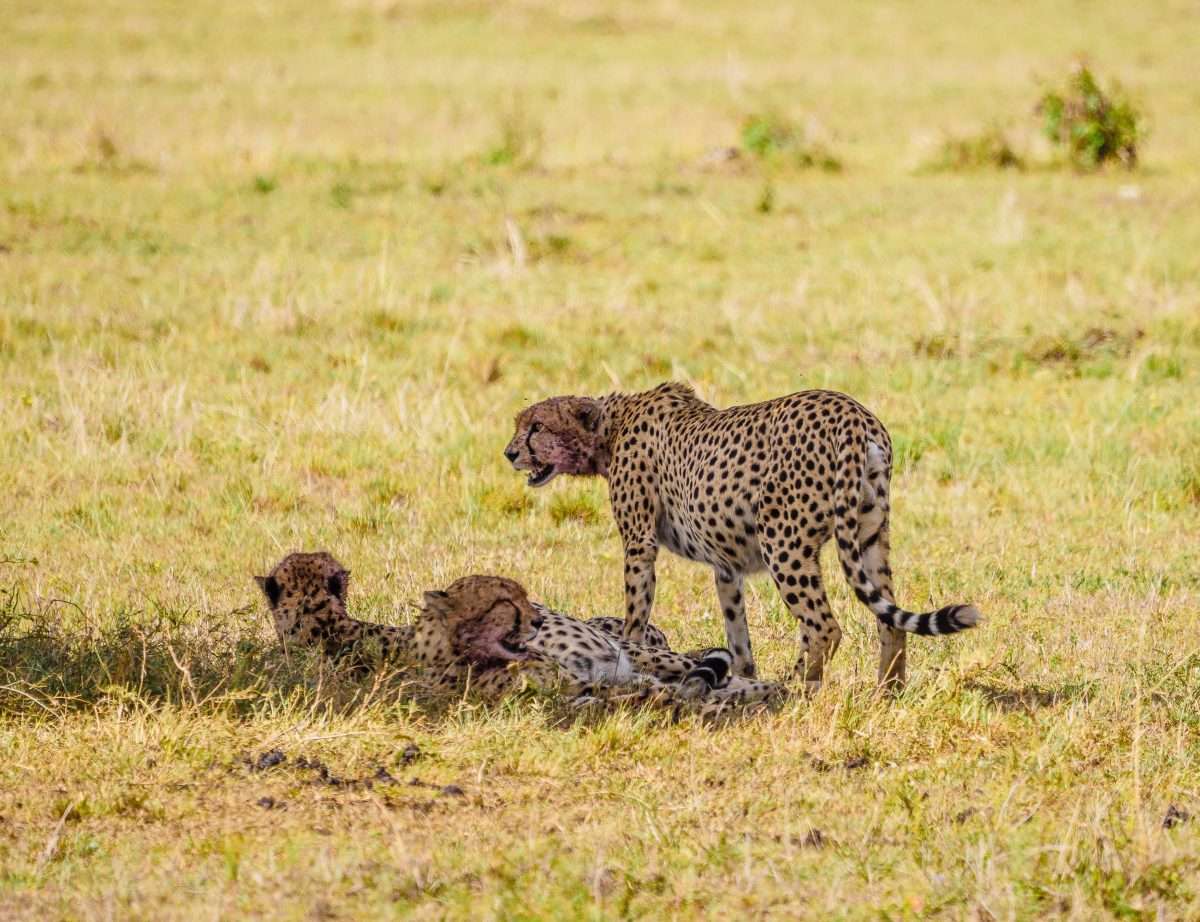
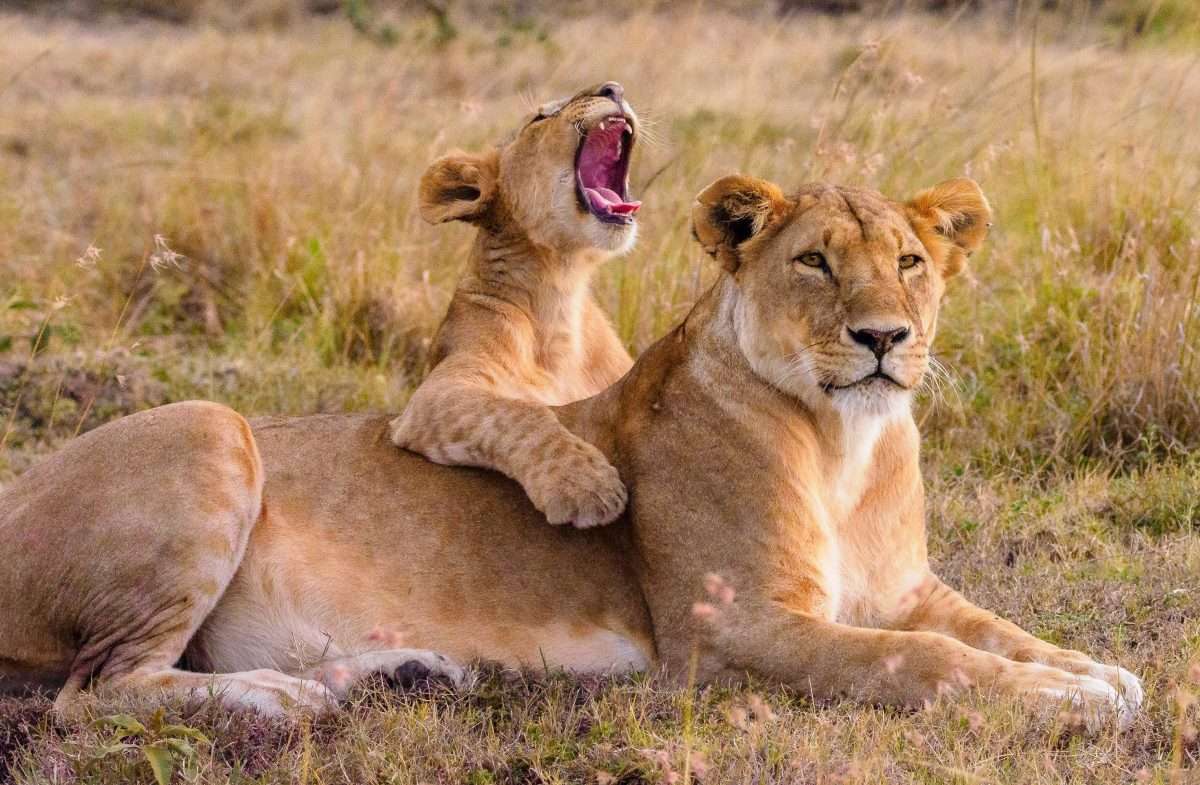
The Masai Mara National Reserve is a wildlife lover’s paradise, home to an incredible diversity of animals. One of the most iconic animals in the Masai Mara is the lion. The reserve boasts a high population of lions, and visitors can often spot them lounging on rocks or hunting their prey. Other big cats that can be found in the Masai Mara include leopards and cheetahs, which are often seen sprinting across the savannah in pursuit of their prey.
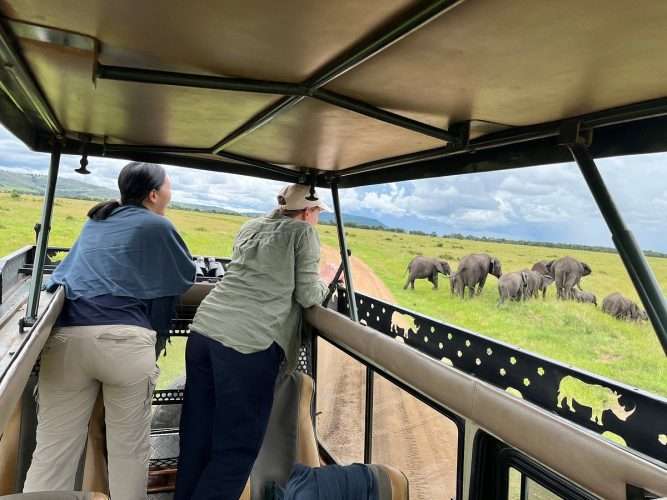
Elephants are another popular attraction in the Masai Mara, with herds of these majestic animals often seen roaming the grasslands. Visitors can observe these gentle giants as they graze, play, and take mud baths in the rivers. The reserve is also home to a variety of other herbivores, including giraffes, zebras, and wildebeest, which can be seen in large numbers during the annual migration.
In addition to the well-known animals, the Masai Mara also boasts a plethora of lesser-known species, such as the spotted hyena, serval cat, and bat-eared fox. Visitors to the reserve can embark on guided tours or self-drive safaris to explore the park’s vast wilderness and observe its diverse wildlife. With such a wide array of animals to discover, the Masai Mara is an unforgettable destination for any wildlife enthusiast.
Masai Mara National Reserve Statistics
A large swath of rolling grassland, the Masai Mara absorbs 1,500 sq. km. (589 sq. mi.) on the Kenya/Tanzania border. The national park is surrounded by a series of conservancies where the Maasai live and are open to a limited number of visitors.
Location: The Reserve rests in the Great Rift Valley, bordering the Serengeti plains of Tanzania.
Climate: As the Mara is just south of the equator the daily temperature fluctuates little. Expect temperatures between 200C (680F) and 300C (860F). Rains can occur in the afternoon and evening.
Best time to visit: If you can, visit during the migration season – July through October. The rainy seasons are December – January, and April – May.
Getting there: Book a tour with Africa Kenya Safaris. We’ll take you there in style – a specially outfitted 4 x 4 Safari Jeep.
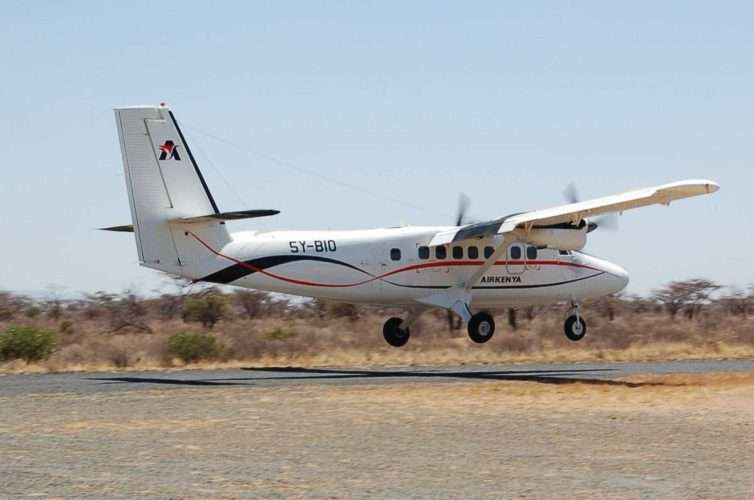
By air – we’ll arrange for you to fly into one of the park’s all-weather airstrips.
Masai Mara National Reserve Facts
Welcome to our Masai Mara FAQ section, where we provide essential information to help you plan an unforgettable safari experience in this iconic Kenyan reserve. Whether you’re curious about the reserve’s location, the distance from Nairobi, or the best times to visit, we’ve got you covered. Discover detailed insights into the Masai Mara’s geography, travel options, and unique features, and get prepared for a journey through one of Africa’s most celebrated wildlife destinations. At Africa Kenya Safaris, we’re dedicated to ensuring you have all the information you need for an extraordinary adventure in the heart of the wild.
What is the Masai Mara National Reserve?
The Masai Mara National Reserve is a renowned wildlife conservation area in southwestern Kenya, known for its exceptional population of lions, leopards, cheetahs, and the annual Great Migration of wildebeest and zebra. Spanning approximately 1,510 square kilometers (580 square miles), this reserve is part of the larger Mara-Serengeti ecosystem and offers unparalleled opportunities for wildlife viewing and safari experiences.
Wildlife and The Great Migration
The Masai Mara National Reserve is world-famous for its diverse and abundant wildlife. Visitors can witness the “Big Five” – lions, leopards, elephants, rhinos, and buffaloes – along with a variety of other animals such as giraffes, zebras, hippos, and crocodiles. The reserve’s highlight is the Great Migration, where millions of wildebeest, zebras, and gazelles move in a circular pattern between the Mara and the Serengeti in Tanzania, crossing the Mara River in a dramatic and perilous journey. This natural spectacle, considered one of the greatest wildlife events on earth, attracts travelers from around the globe.
Cultural and Natural Significance
Apart from its wildlife, the Masai Mara holds significant cultural and ecological value. The reserve is named after the Maasai people, the indigenous inhabitants known for their distinctive customs and dress. Visitors have the opportunity to engage with the Maasai community, learning about their traditional way of life and their symbiotic relationship with the environment. The reserve’s varied landscapes, including savannahs, riverine forests, and acacia woodlands, support a rich biodiversity and offer stunning vistas that enhance the safari experience. At Africa Kenya Safaris, we provide expertly guided tours to help you explore the Masai Mara, ensuring an enriching and unforgettable adventure.
What is the Masai Mara famous for?
The Masai Mara is famous for its exceptional wildlife, particularly the annual Great Migration of wildebeest and zebra, and its thriving populations of lions, leopards, and cheetahs. This iconic reserve in southwestern Kenya offers some of the most spectacular wildlife viewing opportunities in the world.
The Great Migration
The Great Migration is one of the most remarkable natural events on the planet, where over 1.5 million wildebeest, along with hundreds of thousands of zebras and gazelles, journey across the Mara-Serengeti ecosystem in search of fresh grazing. This massive movement involves dramatic river crossings, particularly at the Mara River, where the animals face the peril of crocodiles and swift currents. Witnessing the Great Migration is a once-in-a-lifetime experience, attracting wildlife enthusiasts and photographers from all corners of the globe.
Predator Sightings and Biodiversity
The Masai Mara is also renowned for its high density of predators, offering visitors the chance to see lions, leopards, and cheetahs in their natural habitat. The reserve’s open savannahs and rolling grasslands provide the perfect backdrop for observing these magnificent animals as they hunt and interact. In addition to big cats, the Masai Mara boasts a diverse array of other wildlife, including elephants, giraffes, buffaloes, and numerous bird species. At Africa Kenya Safaris, we specialize in guided tours that maximize your chances of encountering the rich biodiversity of the Masai Mara, ensuring a thrilling and educational safari adventure.
What is the history of the Masai Mara National Reserve?
The Masai Mara National Reserve, established in 1961, was created to protect the unique wildlife and landscapes of the southwestern region of Kenya. Covering approximately 1,510 square kilometers (580 square miles), the reserve is named after the indigenous Maasai people and the Mara River that flows through it, forming part of the larger Mara-Serengeti ecosystem.
Establishment and Development
The Masai Mara National Reserve was established in 1961 as a wildlife sanctuary to conserve the rich biodiversity of the area. Initially covering only a portion of its current size, the reserve was expanded in 1984 to include more of the vital habitats necessary for the protection of its diverse species. The creation of the reserve was driven by the need to safeguard the region’s wildlife from poaching and habitat loss, ensuring the survival of key species such as lions, elephants, and the unique wildebeest migration. Over the years, the reserve has become one of the most important conservation areas in Africa, renowned for its effective management and conservation efforts.
Cultural and Ecological Significance
The name “Masai Mara” pays homage to the Maasai people, who have traditionally inhabited the region and play a crucial role in its history and conservation. The Maasai have coexisted with the wildlife for centuries, and their cultural practices and land management techniques have helped maintain the ecological balance of the area. The reserve is also a critical component of the Mara-Serengeti ecosystem, which supports a vast array of wildlife and plant species. The establishment of the Masai Mara has allowed for the preservation of these unique natural resources and the promotion of sustainable tourism practices. At Africa Kenya Safaris, we offer insightful tours that delve into the history and cultural heritage of the Masai Mara, providing a deeper understanding of this iconic reserve.
What is the size of the Masai Mara National Reserve?
The Masai Mara National Reserve spans approximately 1,510 square kilometers (580 square miles). This vast area is part of the larger Mara-Serengeti ecosystem, renowned for its rich biodiversity and spectacular wildlife migrations.
A Vast and Diverse Landscape
The Masai Mara’s expansive 1,510 square kilometers encompass a variety of landscapes, including open savannahs, rolling grasslands, and riverine forests. These diverse habitats support a wide range of wildlife, making the reserve one of the premier safari destinations in Africa. The Mara River, which runs through the reserve, is a focal point for the Great Migration and a critical water source for many species. The varied topography and ecosystems within the Masai Mara provide ample opportunities for visitors to experience different facets of the African wilderness in a single visit.
Wildlife and Conservation Significance
The size of the Masai Mara National Reserve allows for the sustenance of large populations of wildlife, including the iconic Big Five – lions, leopards, elephants, rhinos, and buffaloes. The extensive area ensures that animals have enough space to roam and thrive, which is crucial for their survival and the health of the ecosystem. Conservation efforts within the reserve are focused on maintaining this balance, protecting the habitats, and ensuring sustainable tourism. At Africa Kenya Safaris, we offer guided tours that explore the vastness of the Masai Mara, showcasing its incredible wildlife and highlighting the importance of conservation in preserving this unique natural heritage.
When is the best time to visit the Masai Mara National Reserve?
The best time to visit the Masai Mara National Reserve is from July to October, during the dry season and the peak of the Great Migration. This period offers optimal wildlife viewing opportunities, as millions of wildebeest and zebras cross the Mara River, providing an unparalleled safari experience.
Peak Season: July to October
The dry season from July to October is the most popular time to visit the Masai Mara due to the Great Migration. During these months, the reserve comes alive with the movement of over 1.5 million wildebeest, zebras, and gazelles as they traverse the Mara River. This period not only provides the spectacle of the migration but also offers excellent opportunities to see predators such as lions, cheetahs, and crocodiles in action. The dry weather conditions make the roads more accessible and game drives more comfortable, enhancing the overall safari experience.
Other Optimal Times to Visit
While the Great Migration is a significant draw, the Masai Mara offers excellent wildlife viewing year-round. The short rainy season in November and December, and the long rains from March to May, bring lush landscapes and fewer tourists, creating a more serene safari experience. During these times, the reserve’s flora is at its most vibrant, and the wildlife is abundant, with many species giving birth. Birdwatchers will also appreciate the increased bird activity during the rainy seasons. At Africa Kenya Safaris, we provide tailored itineraries to suit your preferences, ensuring an unforgettable visit to the Masai Mara no matter the season.
How many lions are there in the Masai Mara Game Reserve?
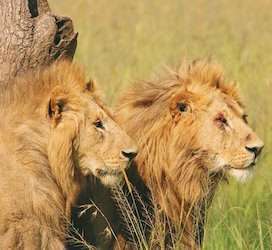
The Masai Mara Game Reserve is home to approximately 850 to 900 lions, making it one of the most significant lion populations in Africa. This dense concentration of lions offers visitors exceptional opportunities for observing these majestic predators in their natural habitat.
Lion Population and Pride Dynamics
The lion population in the Masai Mara is organized into several prides, each with its own territory and social structure. These prides often consist of related females, their offspring, and a coalition of males. The abundance of prey in the reserve, particularly during the Great Migration, supports a high density of lions. Observing these prides provides fascinating insights into their hunting strategies, social interactions, and cub-rearing behaviours, making the Masai Mara a prime destination for lion enthusiasts.
Conservation and Research Efforts
Efforts to conserve the lion population in the Masai Mara are crucial to maintaining its status as a leading safari destination. Conservation programs focus on protecting lion habitats, mitigating human-wildlife conflict, and conducting research to monitor lion health and population dynamics. Initiatives such as the Mara Predator Conservation Programme play a vital role in ensuring the long-term survival of lions in the reserve. At Africa Kenya Safaris, we support these conservation efforts and offer guided tours that not only provide thrilling lion sightings but also educate visitors on the importance of preserving these iconic animals.
How many cheetahs in the Masai Mara Game Reserve?
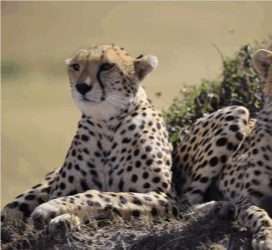
The Masai Mara Game Reserve is home to approximately 300 cheetahs, making it one of the most important habitats for these agile predators in Africa. This significant population allows visitors ample opportunities to observe and appreciate cheetahs in their natural environment.
Cheetah Population and Behaviour
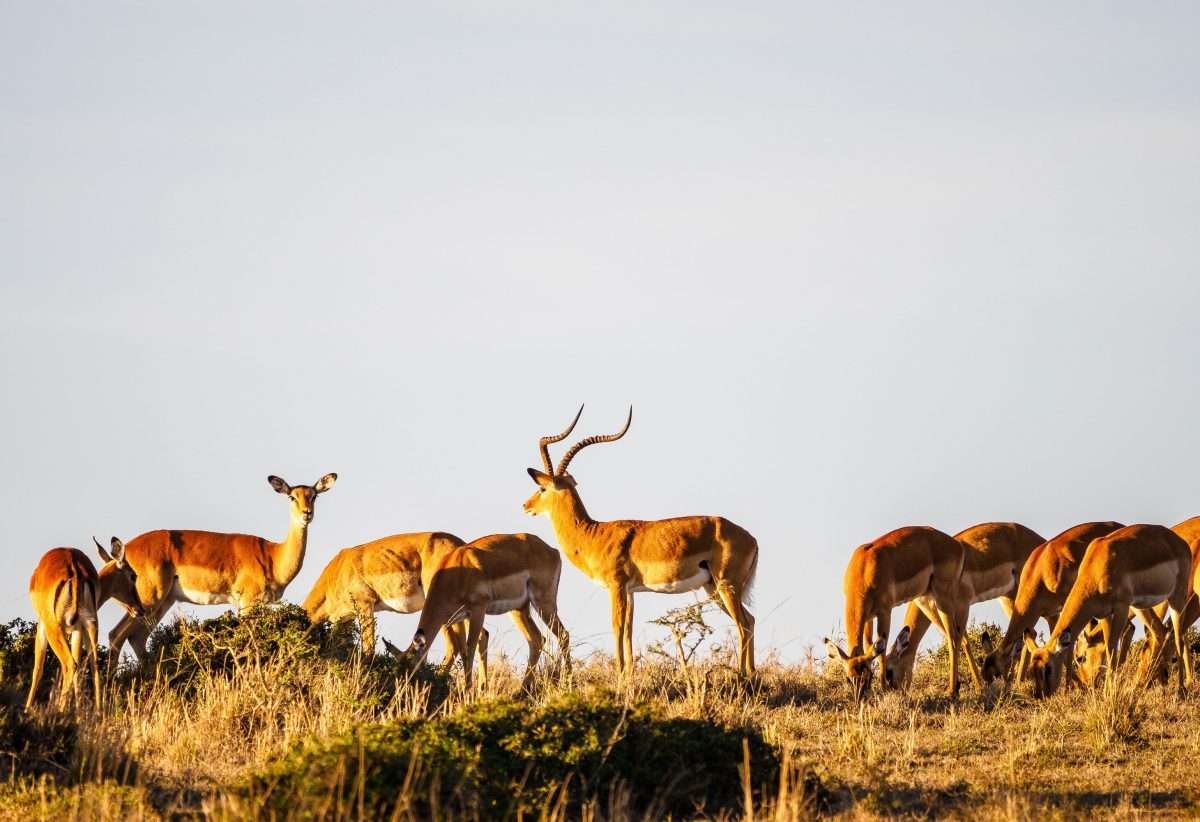
The cheetahs in the Masai Mara are well adapted to the open savannahs, where they utilize their speed to hunt prey such as gazelles and impalas. Unlike other big cats, cheetahs are solitary hunters, although females with cubs or sibling groups can often be seen together. The reserve’s landscape, characterized by vast plains and minimal tree cover, provides the ideal setting for cheetahs to execute their high-speed chases. Observing cheetahs in the Masai Mara offers unique insights into their hunting techniques, social structures, and daily behaviours.
Conservation Challenges and Efforts
Despite the relatively large population, cheetahs in the Masai Mara face significant conservation challenges, including habitat loss, human-wildlife conflict, and competition with other large predators like lions and hyenas. Conservation initiatives in the reserve focus on protecting cheetah habitats, reducing conflicts with local communities, and conducting ongoing research to monitor cheetah populations and health. Organizations such as the Mara-Meru Cheetah Project are instrumental in these efforts. At Africa Kenya Safaris, we support these conservation programs and offer tailored safari experiences that educate visitors on the importance of preserving cheetahs, ensuring that future generations can continue to admire these incredible animals in the wild.
Where is the Masai Mara National Reserve located?
The Masai Mara National Reserve is located in southwestern Kenya, bordering the Serengeti National Park in Tanzania. It lies within the Great Rift Valley and covers an area of approximately 1,510 square kilometers (580 square miles).
Geographical Location and Accessibility
The reserve is situated in the Narok County of Kenya, just a short distance from the Tanzanian border. It is easily accessible from Nairobi, the capital city, which is about 270 kilometers (168 miles) away. The drive from Nairobi to the Masai Mara typically takes around 5 to 6 hours, depending on road conditions. Alternatively, there are several daily flights from Nairobi to the reserve’s airstrips, which significantly shorten the travel time to about 45 minutes, providing a convenient option for visitors seeking a quicker route to this premier safari destination.
Landscape and Environment
The Masai Mara’s location within the Great Rift Valley provides it with a diverse and dramatic landscape, featuring rolling savannahs, acacia woodlands, and riverine forests. The Mara River, which flows through the reserve, is a key geographical feature and a central part of the famous Great Migration, where millions of wildebeest and zebras cross in search of greener pastures. The reserve’s varied terrain supports a rich array of wildlife and plant species, making it a key destination for wildlife enthusiasts and photographers. At Africa Kenya Safaris, we offer expertly guided tours that explore the stunning landscapes and rich biodiversity of the Masai Mara, ensuring a memorable safari experience.
How far is the Masai Mara from Nairobi?
The Masai Mara National Reserve is approximately 270 kilometres (168 miles) from Nairobi. The journey by road typically takes around 5 to 6 hours, depending on traffic and road conditions.
Travel by Road
Driving from Nairobi to the Masai Mara involves a scenic route through the Kenyan countryside, passing through towns and villages that offer glimpses of local life. The road conditions can vary, with parts of the route being well-maintained while others may be rougher, especially during the rainy season. Travelers should prepare for a mix of paved and unpaved roads. Many safari operators offer guided transfers, ensuring a comfortable and informative journey with opportunities for wildlife spotting along the way.
Travel by Air
For a quicker and more convenient option, travellers can take a flight from Nairobi to the Masai Mara. Several airlines offer daily scheduled flights from Nairobi’s Wilson Airport to various airstrips within the Masai Mara. The flight duration is approximately 45 minutes, providing stunning aerial views of the landscape and a swift entry into the reserve. Air travel is particularly popular among those seeking to maximize their time spent on safari. At Africa Kenya Safaris, we can arrange both road and air transfers to suit your preferences and ensure a smooth start to your Masai Mara adventure.
The Masai Mara National Reserve is in which county?
The Masai Mara National Reserve is located in Narok County, Kenya. This county is situated in the southwestern part of the country, near the border with Tanzania.
Geographical Context of Narok County
Narok County, where the Masai Mara National Reserve is situated, is renowned for its rich cultural heritage and stunning natural landscapes. The county is part of the larger Rift Valley region, which is known for its dramatic scenery and significant wildlife populations. Narok County encompasses a diverse range of environments, including the savannahs of the Masai Mara, which provide critical habitats for a wide variety of species. The county’s proximity to the Tanzanian border and the Serengeti National Park enhances the ecological connectivity of the region, supporting the renowned Great Migration.
Cultural and Conservation Significance
The Masai Mara’s location within Narok County also highlights the strong cultural ties between the Maasai people and the land. The Maasai have traditionally lived in this area, and their cultural practices and conservation efforts are integral to the region’s identity. Conservation initiatives within Narok County focus on preserving the wildlife and landscapes while promoting sustainable tourism. At Africa Kenya Safaris, we offer guided tours that explore not only the natural beauty of the Masai Mara but also the cultural richness of Narok County, ensuring a comprehensive and enriching safari experience.
Where to stay in the Masai Mara National Reserve?
There are several excellent accommodation options available for visitors to the Masai Mara National Reserve, catering to different budgets and preferences. These include luxury lodges, tented camps, and campsites, all of which provide comfortable and convenient bases from which to explore the reserve and its surrounding conservancies.
Popular lodges
Some of the most popular lodges and camps include Mara Serena Safari Lodge, Zebra Plains Mara Camp, and Ilkeliani Tented Camp, which offer stunning views of the savannah plains, easy access to wildlife viewing areas, and a range of amenities and activities. Whether you’re seeking a luxurious getaway or a rustic camping experience, there is an accommodation option in the Masai Mara to suit your needs.
This is Masai Mara National Reserve
The land, the wildlife, the Maasai people, and the experience of soaking up this rich park, Kenya’s most popular, is the stuff of memories and stories to last a lifetime. Don’t miss Africa’s crown jewel.
When Do You Want to Visit?
The big cats and the dozens of wildlife species don’t have any downtime during the year – there are always in sight on the great savannahs of this storied park.
The climate here is mild and generally sunny year-round. So, the game viewing is excellent any time you choose to go on safari.
However, the park is known for its peak migration season from July through October. These are the months you can expect to witness thousands upon thousands of wildebeests, zebra, and gazelle invading the park on their annual trek for water and more sustainable grasses.
Please view our selection of Masai Mara tours below and let’s talk. We’ll create the safari you’ve been dreaming about.
MASAI MARA 4x4 JEEP SAFARIS FROM NAIROBI
2 , 3 & 4 Days Masai Mara safari packages in our custom 4x4 pop-up top safari Landcruiser jeeps
MASAI MARA FLIGHT SAFARIS FROM NAIROBI
2 , 3 & 4 Days Kenya Fly-In / Air safaris from Nairobi to Masai Mara National Reserve
MASAI MARA FLIGHT SAFARIS FROM DIANI BEACH
2 & 3-day Masai Mara fly-in safaris from Diani, Tiwi, Galu, Shimoni, Msambweni Beach Resorts
Choose Your East Africa Safari Tour
Our Africa Safaris in Kenya, Tanzania & Zanzibar
Check out our many East Africa safari tours:

NAIROBI EXCURSIONS
Africa Kenya Safaris offers you full and half-day excursions & trips from Nairobi
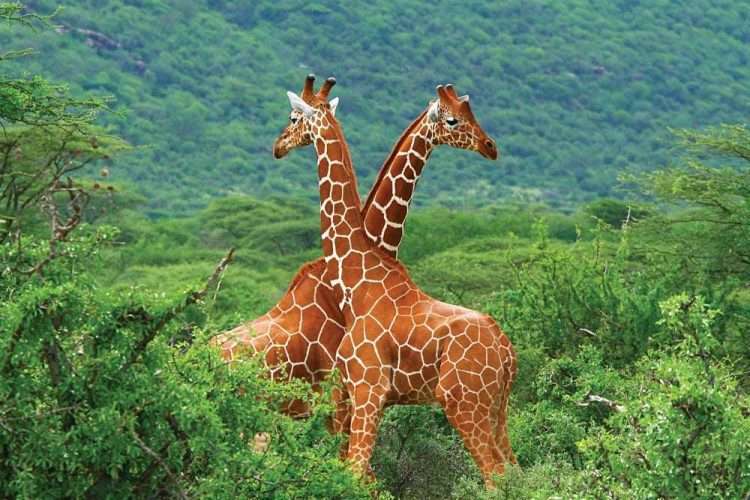
KENYA SAFARI FROM NAIROBI
Explore our multi-day Kenya safari adventures ranging from 2 – 12 days from Nairobi.
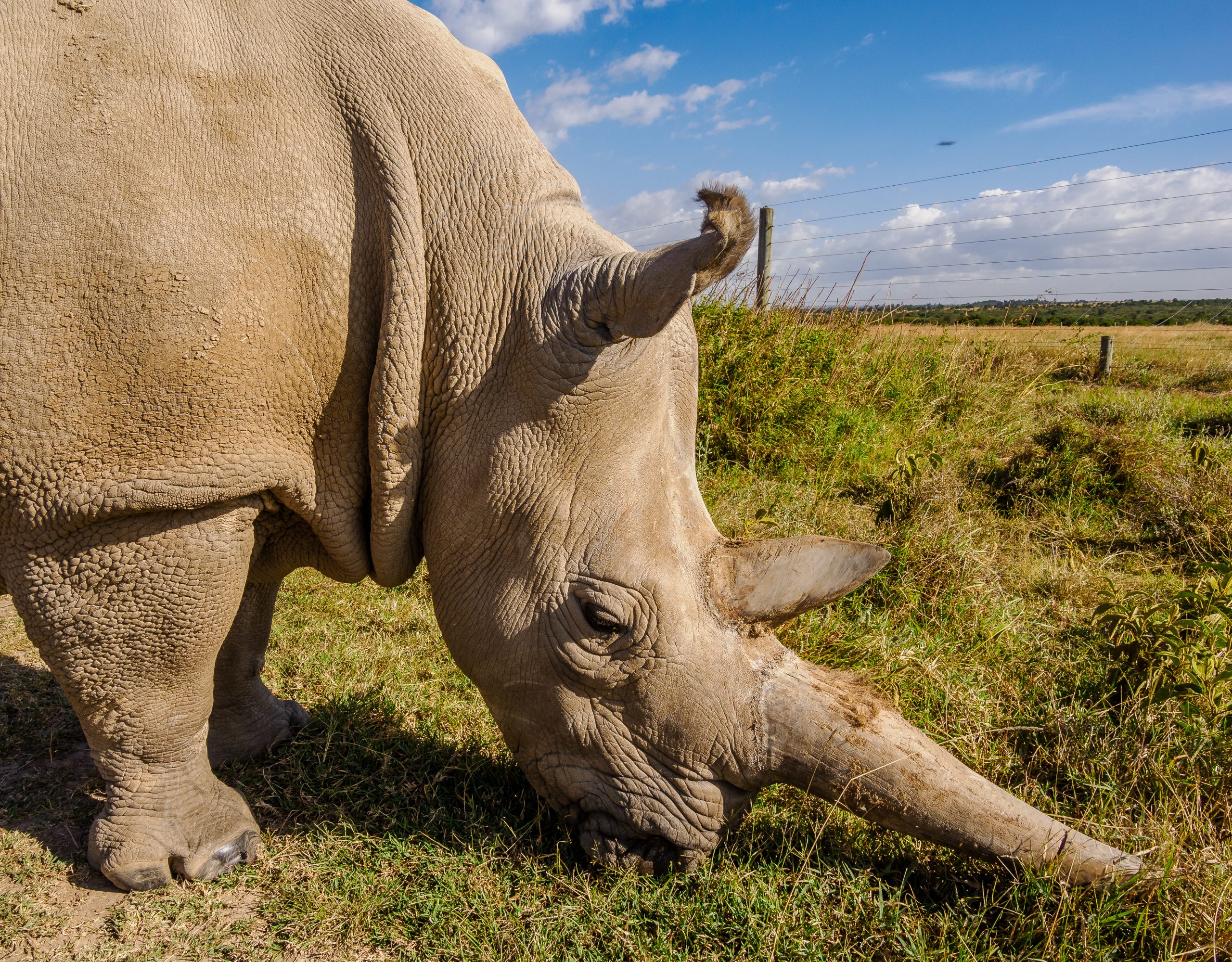
NAIROBI TO DIANI BEACH SAFARIS
Enjoy a Kenya wildlife safari then finish up your holiday at Kenya’s Diani Beach.
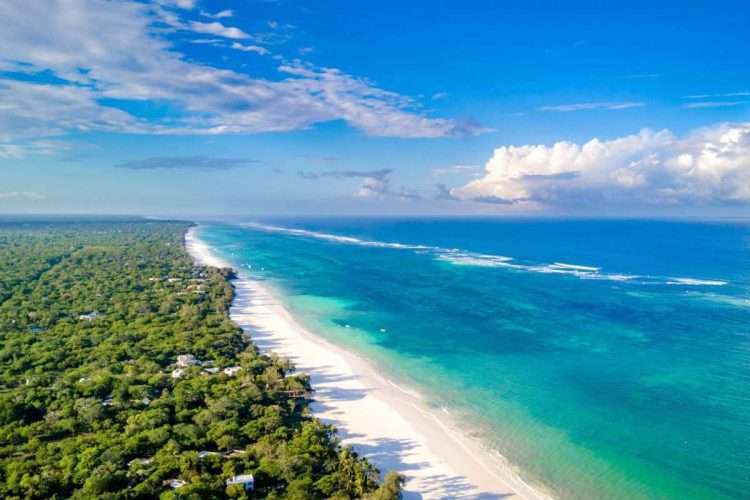
DIANI BEACH KENYA SAFARIS
Explore our Kenya safaris from beach resorts of Diani – voted Africa’s leading beach destination
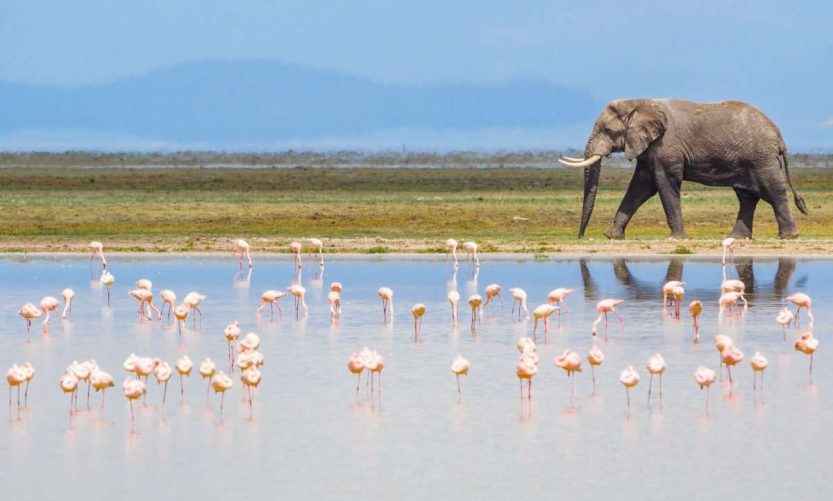
AMBOSELI KENYA SAFARIS
Explore Amboseli – famous for large herds of elephants and scenic views of Mount Kilimanjaro
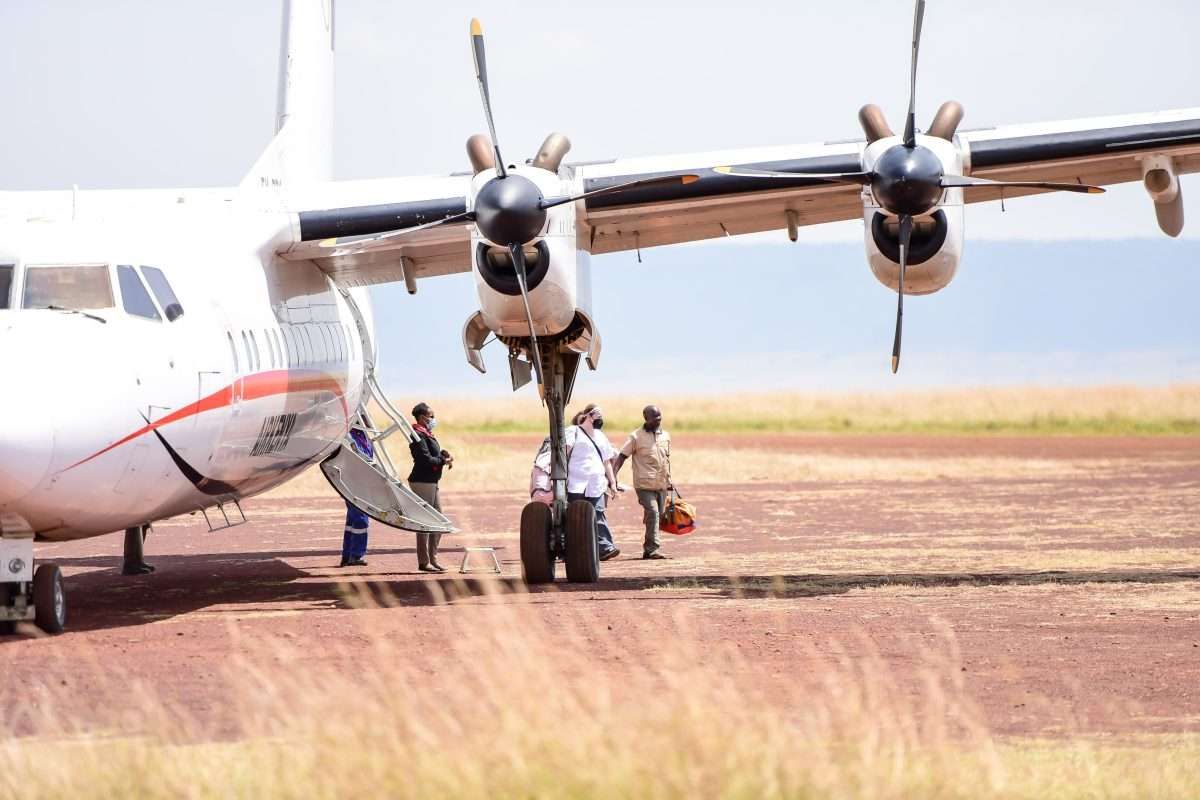
KENYA FLIGHT SAFARIS
Book Kenya flight Safaris and explore Masai Mara, Amboseli, Samburu & Lewa Conservancy.
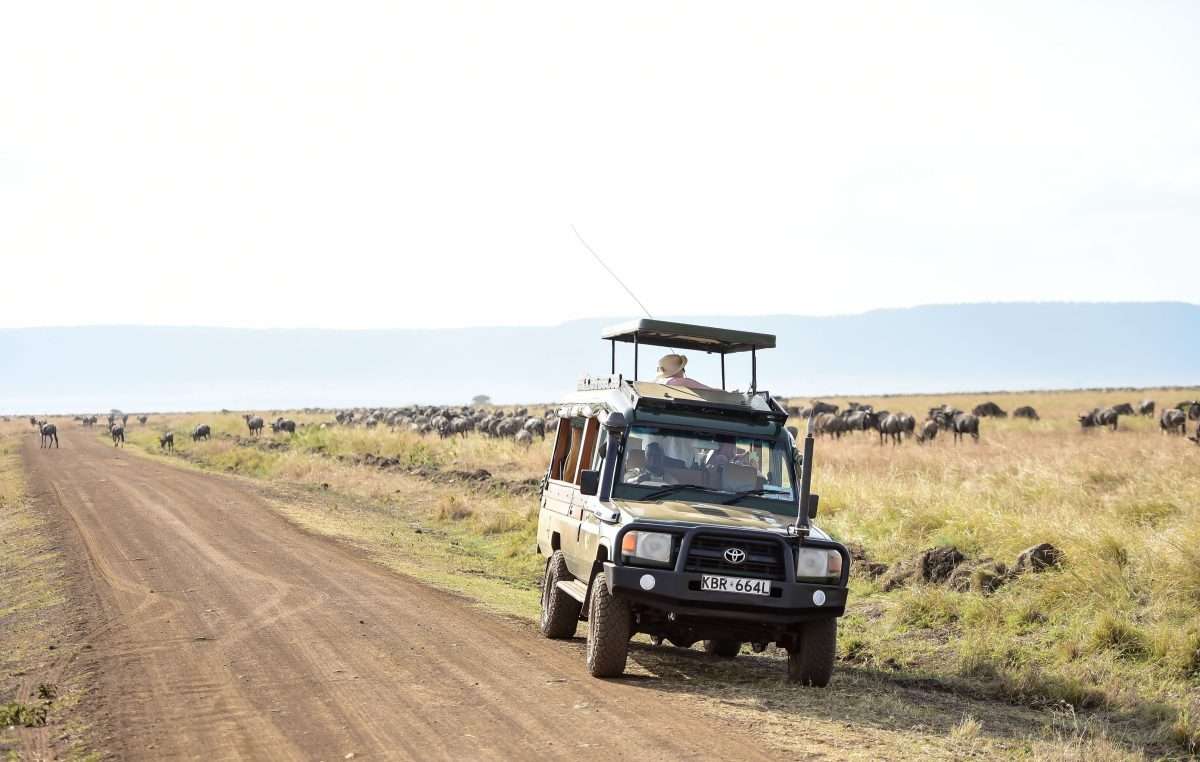
MASAI MARA KENYA SAFARIS
Masai Mara is home of the Great Wildebeest Migration, Big Five of Africa, Big cats, Masai culture etc.
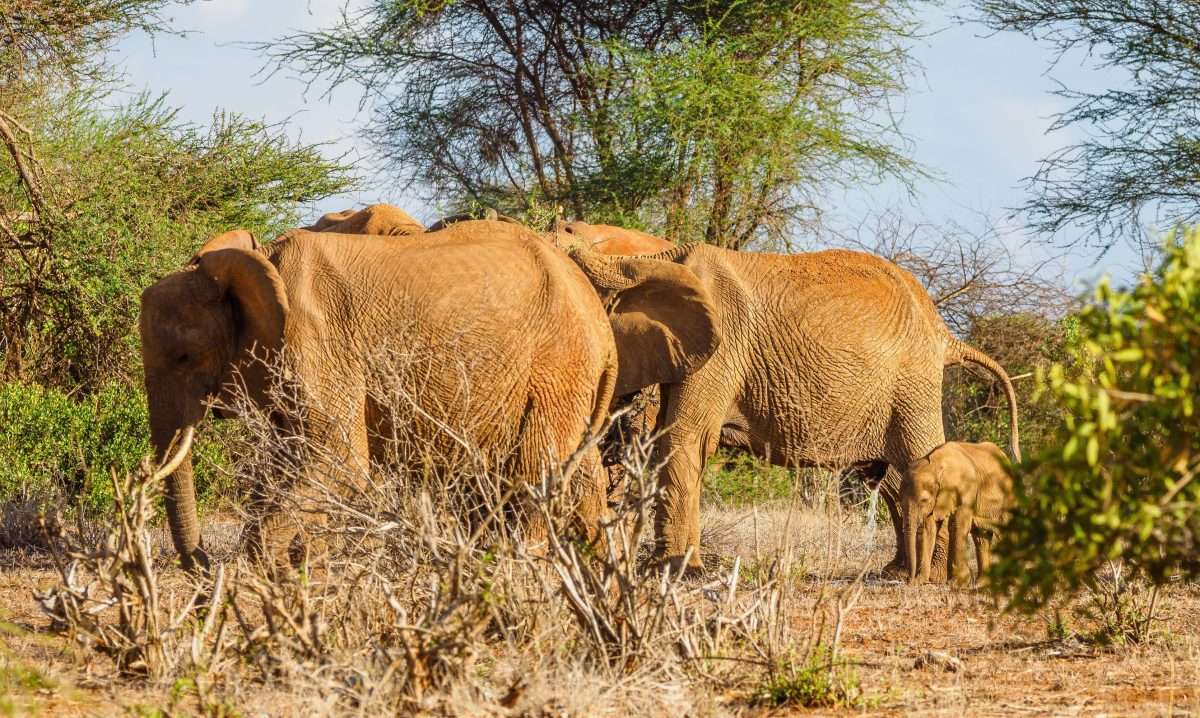
KENYA BEACH TO NAIROBI SAFARIS
Book Exciting African safaris starting from/to the beautiful Diani beach resorts
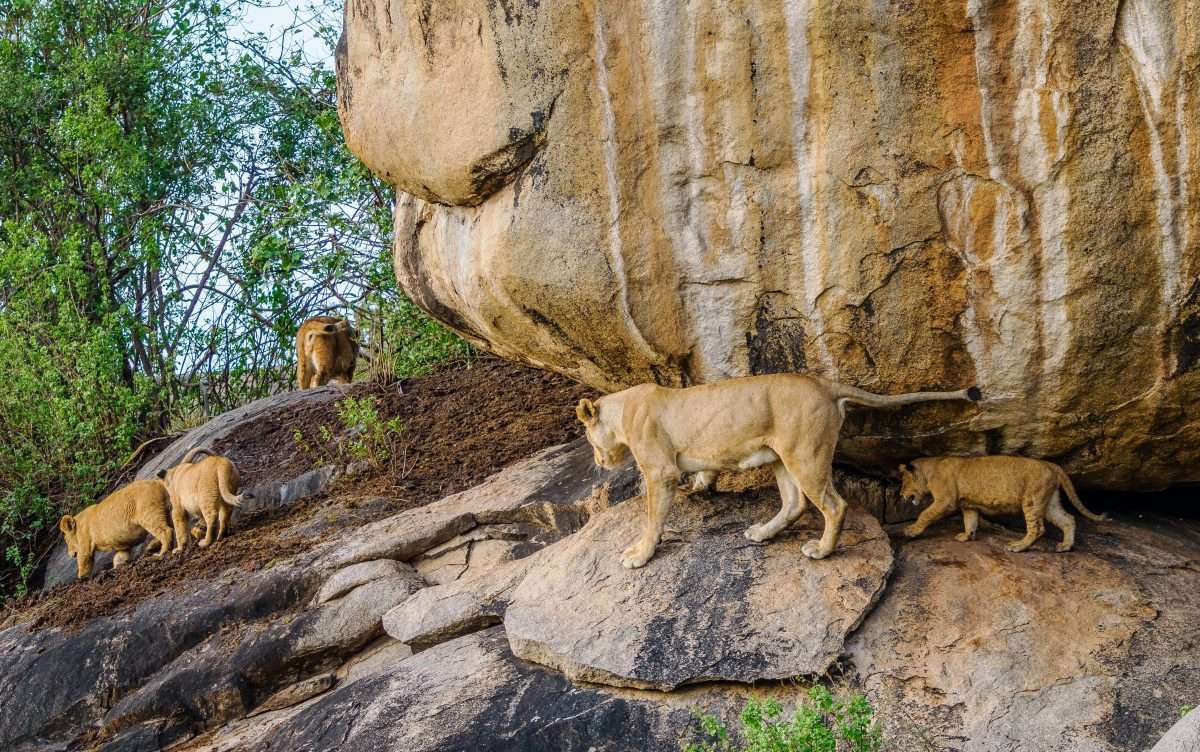
KENYA-TANZANIA SAFARIS
Experience wildlife parks, beaches and mountains of Kenya & Tanzania.

KENYA SAFARI & DIANI BEACH
Experience the best of both worlds – a thrilling Kenya safari and a dream Diani beach vacation
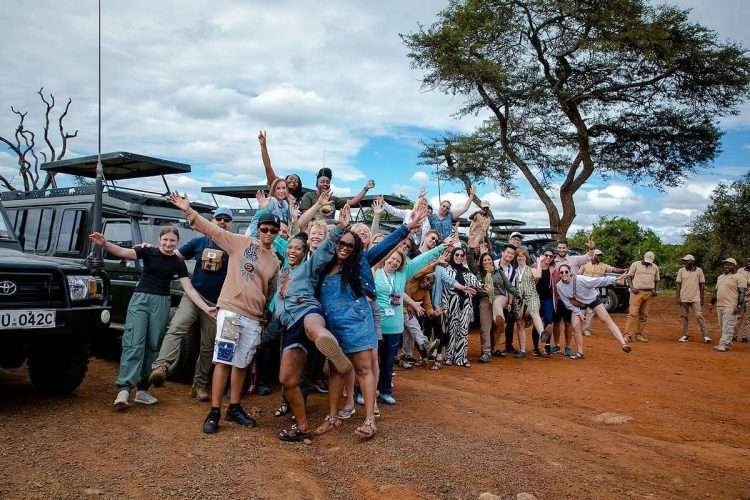
KENYA SHORT GROUP SAFARIS
Join our exciting Kenya short Group safari Tours from Nairobi in 4×4 safari jeeps
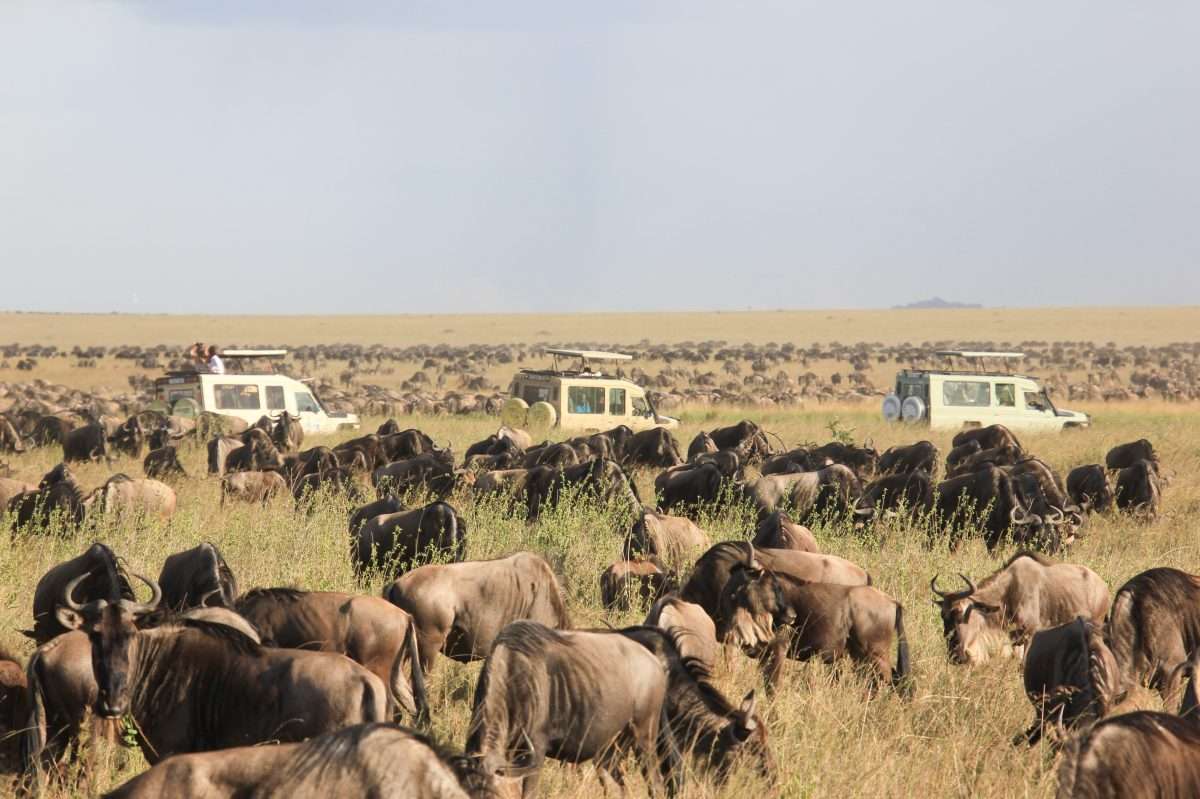
TANZANIA SAFARI HOLIDAYS
Exciting 4×4 Tanzania safaris from Arusha town. Explore Serengeti, Ngorongoro, Manyara & Tarangire.
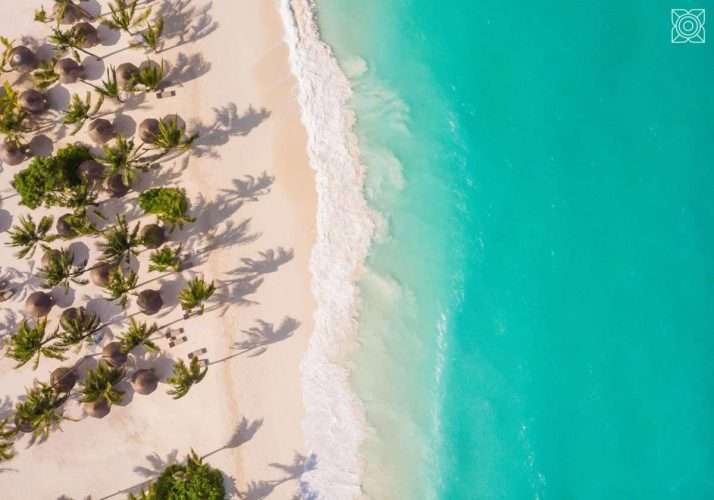
ZANZIBAR BEACH HOLIDAYS
Pre/post your African safari holiday in Kenya & Tanzania, ‘escape’ to Africa’s leading beach destination – Zanzibar!
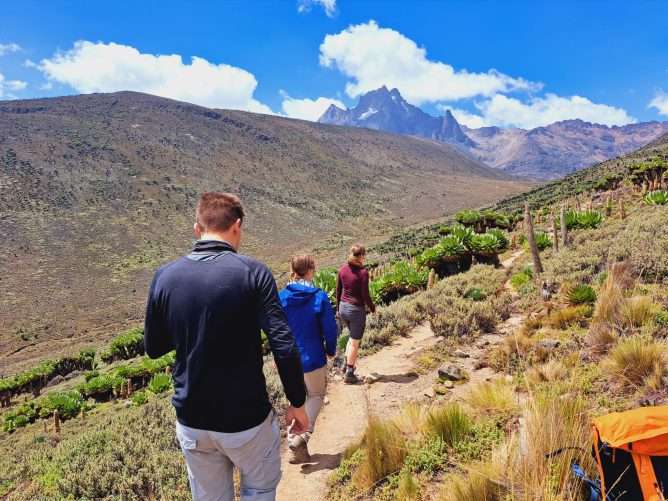
MOUNTAIN CLIMBING TOURS
Best Africa mountain climbing adventure tour packages and safaris. Climb Mount Kenya and Mount Kilimanjaro
EAST AFRICA BEACH HOLIDAYS
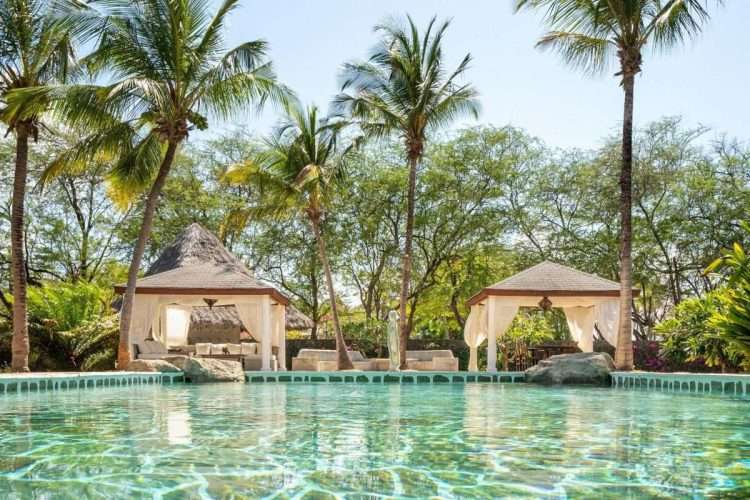
Best family-friendly beach holidays on the sandy beaches of Mombasa, Diani, Malindi, Watamu, Lamu & Zanzibar
HOLIDAY EXPERIENCES
You came to Africa to live an experience – to see the Big 5, Big cats, wildebeest migration & so much more!
Customize your dream African safari
At Africa Kenya Safaris we are always flexible with your options, we will offer our thoughts on seasons, budgets, lifestyle, accommodations, first-hand experience of the parks, and all the possible activities to fill out your safari story. We’ll work with your impressions and dreams and add our ideas on which to build your adventure.
