
LAKE BOGORIA NATIONAL RESERVE

A Colorful Eruption of Steam and Flamingoes

Introducing Lake Bogoria

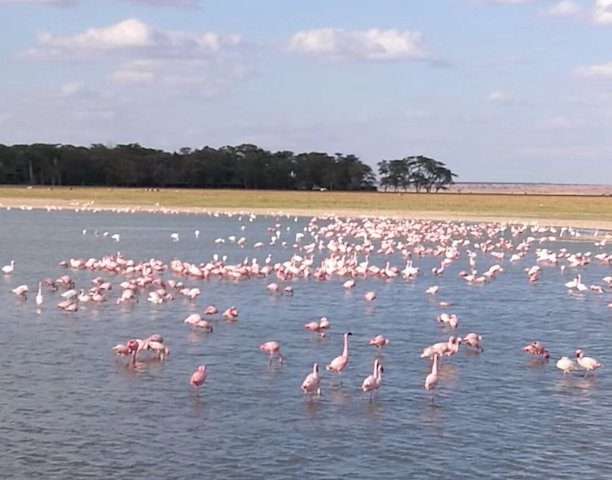
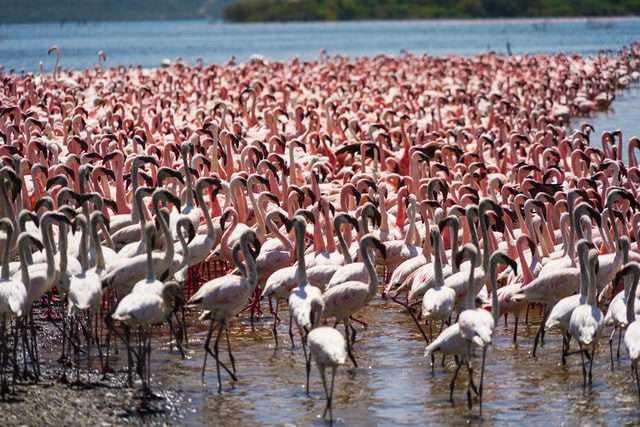
With its bubbling broth of geysers, steam, and hot springs you might think you’ve landed on another planet except for the dreamy flocks of pink flamingoes gathered right before you. Lake Bogoria National Reserve is an altogether different safari – a high mountain lake that’s lightly touristed but offers an immersion of incredible birdlife. At times during the year, the flamingoes can erupt to over two million, carpeting the shoreline with their intense fuchsia plumage.

While the reserve doesn’t abound with the largest African game, a trip here will still bring opportunities to spot impala, zebra, gazelle, warthog, buffalo, klipspringer, monkey, baboon… and occasionally leopard and cheetah.  Near the lake itself, you may find numbers of greater kudu, an antelope, grazing not far from their flamingo neighbors.

Lake Naivasha Kenya day trip

Flamingoes and Other Avian Life

Bogoria is a highly saline and alkaline lake due to the area’s mineral and volcanic activity. Blue-green algae thrive in this chemical soup and this, in turn, provides ample sustenance for the great flocks of lesser and some greater flamingoes that settle upon the lake’s shores. Depending on the season and the year, you might find yourself immersed in one of the world’s greatest populations of flamingoes.

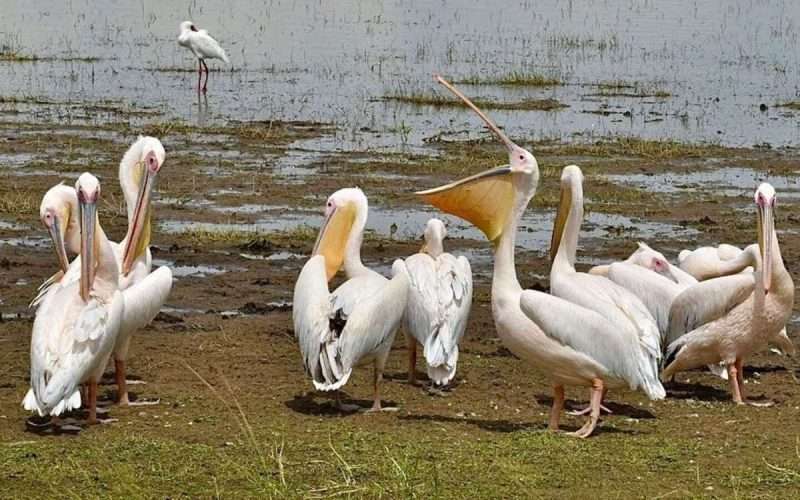
Also attracted to this austere high-altitude lake are large numbers of raptors like tawny eagles and 135 other avian species. Look for buzzard, goshawk, starling, hornbill, heron, ibis, ostrich, buzzard, and the elegant grey crowned crane.

Volcanic Springs and Geysers

Just as intense as the animal life on the surface is the geothermal life bubbling and spouting from under the earth. You’ll find more geysers here –18– than any other spot in Africa. And some of them burst up through the lake itself in hot plumes rising to 5 m (16 ft) in a scalding display of volcanic exuberance.

The lake and surrounding shores also host over 200 steaming volcanic springs… warm enough to boil eggs.

lake nakuru 1

Don’t Miss…

The Birds – But of course you can’t miss the sight of the thousands or more dazzling pink flamingoes colorfully astride the blueish lake. Approach them gently and they’ll stay fairly close, creating picture-perfect moments.

Kesubo Swamp – Just outside the park, this is an active birdwatching destination. Look for raptors and other varieties like grebe, swift, spoonbill, and more.

Lake Baringo – The aquatic opposite of Bogoria, Lake Baringo is all freshwater and hosts innumerable avian life. You’ll find hornbills, herons, owls, and even hippos and crocodiles.

Ride a bike – Besides enjoying a foot safari around the lake you can also explore on bicycle, pedaling your way past the grazing wildlife, the clouds of flamingoes, hot springs, and plumes of geysers.

Eggs easy – At what other park can you cook au natural? The locals here sell eggs just outside the park. Pick up a few and parboil them in one of the natural hot springs. Instant breakfast.

Survey: Lake Bogoria National Reserve

This small high altitude park is only 107 sq km (41 sq mi) at an elevation of 1500 m (1 mi) above sea level.

Location: The reserve is just south of the equator and fairly close to Nairobi – 239 km (148 mi).

Climate: Expect even daytime temperatures of 280C (820 F). Because of its higher elevation evenings could get chilly. Early morning temperatures of 120C (530 F) are not unusual.

The dry season is January – February with rains expected from September – May.

Best time to visit: That would be the flamingo season. When the lake is low from August to October great flocks of the fuchsia birds arrive. Though their numbers are unpredictable, you can usually expect to see plenty of the brilliant birds throughout the year.

Operating Hours: From sunrise to sunset.

Getting there:You can Book a tour with Africa Kenya Safaris. And you’ll go in style – a specially outfitted 4 x 4 safari Jeep.

birds Lake Nakuru National Park scaled

Lake Bogoria Facts & FAQs

Lake Bogoria presents a distinctive safari experience, blending geothermal wonders with spectacular birdwatching opportunities. Known for its hot springs, geysers, and vibrant flamingo populations, this unique destination offers an off-the-beaten-path adventure for those interested in exploring Kenya’s diverse natural landscapes. Whether you’re curious about its fascinating geothermal activity, the depth and size of the lake, or the rich birdlife, our FAQ section provides comprehensive answers to help you plan your visit to this extraordinary Kenyan gem.

Lake Bogoria is situated in the Baringo County of Kenya, within the Great Rift Valley. It is located approximately 250 kilometers northwest of Nairobi, making it accessible for travelers exploring Kenya’s unique geological formations and wildlife.

Geographical Setting in the Rift Valley

Lake Bogoria is part of the Great Rift Valley, a significant geological and ecological zone stretching across East Africa. This lake is nestled between the verdant hills of the Rift Valley, surrounded by a semi-arid landscape that adds to its distinctive scenery. Its location within this expansive valley contributes to its unique ecosystem and geological features, including its famous hot springs.

Proximity to Nearby Attractions

The lake’s location in Baringo County places it relatively close to other notable attractions in Kenya’s Rift Valley. It is approximately 80 kilometers from Lake Baringo, another prominent lake in the region known for its bird-watching opportunities and picturesque landscapes. This proximity allows visitors to explore multiple natural wonders in one journey, enhancing the experience of Kenya’s diverse landscapes.

Lake Bogoria is hot due to its geothermal activity. The lake is located in the Great Rift Valley, an area known for its volcanic and geothermal features. The heat emanates from the numerous hot springs and geysers that surround the lake, which are a direct result of the tectonic activity in the region.

Geothermal Activity and Volcanic Influence

Lake Bogoria’s high temperatures are primarily influenced by geothermal activity. The region’s volcanic history contributes to the heating of groundwater, which emerges as hot springs and geysers around the lake. These geothermal features not only warm the lake but also create a unique landscape dotted with steaming vents and mineral deposits, enhancing the lake’s striking appearance.

Impact on the Ecosystem and Wildlife

The geothermal heat of Lake Bogoria affects its ecosystem, making it a habitat for specialized wildlife. The high temperatures and mineral-rich waters support a unique flora and fauna, including the lake’s famous flamingos, which thrive in its alkaline environment. The geothermal features also create a series of warm and cold zones within the lake, offering diverse habitats for various species and adding to the lake’s ecological richness.

Lake Bogoria is located in Baringo County, Kenya. Situated in the northern part of Kenya’s Great Rift Valley, this lake is renowned for its geothermal activity and unique wildlife, including large populations of flamingos that are drawn to its alkaline waters.

Geographical Context and Accessibility

Lake Bogoria lies within Baringo County, which is known for its diverse landscapes and natural attractions. The lake is positioned about 250 kilometers northwest of Nairobi, making it accessible via road from major towns such as Nakuru and Eldoret. Its location within the Rift Valley region provides a striking backdrop of geological and ecological interest, enhancing its appeal as a travel destination.

Significance to Baringo County’s Tourism

As a prominent feature of Baringo County, Lake Bogoria plays a key role in local tourism. Its geothermal springs, salt flats, and the large flocks of flamingos contribute to the county’s natural heritage and attract visitors interested in unique wildlife and geological phenomena. The lake’s scenic beauty and the surrounding landscape offer opportunities for eco-tourism and adventure, adding to the county’s attractiveness as a destination.

Lake Bogoria is approximately 135 kilometers (84 miles) from Nakuru. The journey from Lake Nakuru to Lake Bogoria typically takes around 3 to 4 hours by road, depending on traffic and road conditions.

Driving Directions from Nakuru to Lake Bogoria

To reach Lake Bogoria from Nakuru, travelers can take the B4 road towards Eldama Ravine and then turn onto the road leading to Lake Bogoria National Reserve. This route provides a scenic drive through the Rift Valley, with views of the diverse landscapes and natural beauty of the region. Ensuring a reliable vehicle and checking road conditions before departure can enhance the travel experience, as some sections may be rough or under construction.

Tourist Considerations and Travel Tips

When planning a trip from Nakuru to Lake Bogoria, consider making stops at interesting points along the way. The drive passes through picturesque towns and offers opportunities to explore the Rift Valley’s unique scenery. It’s advisable to carry essentials like water, snacks, and a good map or GPS for navigation. The journey to Lake Bogoria not only provides access to the lake’s geothermal features and flamingo populations but also allows travelers to experience the rich cultural and natural heritage of Kenya’s northern Rift Valley.

Lake Bogoria National Reserve, established in 1973, is renowned for its geothermal features and diverse wildlife. Located in Kenya’s Rift Valley, it was designated a protected area primarily to preserve its unique ecosystem, which includes hot springs, geysers, and a wide variety of bird species.

Historical Significance and Conservation Efforts

The creation of Lake Bogoria National Reserve was driven by the need to protect its natural beauty and environmental significance. The area is known for its volcanic activity, which contributes to its distinctive landscape featuring hot springs and geysers. The reserve’s establishment also aimed to safeguard the habitat of the lesser flamingo, which relies on the lake’s alkaline waters for feeding. Over the years, conservation efforts have focused on preserving the reserve’s delicate ecosystem, addressing challenges such as poaching and habitat degradation, and enhancing ecological research.

Cultural and Ecological Impact

The reserve’s history is intertwined with the local communities who have traditionally lived in the surrounding areas. These communities have played a role in conservation efforts, contributing to the protection of both wildlife and natural resources. Lake Bogoria’s geothermal features have long been a source of fascination and study, drawing researchers and tourists alike. The reserve continues to be a crucial site for ecological and geological studies, offering insights into volcanic activity and the adaptation of wildlife to extreme environments.

Lake Bogoria National Reserve is home to a variety of fascinating wildlife, including flamingos, zebras, and numerous bird species. The reserve’s alkaline waters and geothermal features create a unique habitat that supports diverse flora and fauna. Notably, the lesser flamingos are a major highlight, often seen feeding on the lake’s algae-rich waters. Other animals commonly spotted include giraffes, Grant’s gazelles, and the rare Greater Kudu.

Bird Watching and Flamingos

One of the primary attractions at Lake Bogoria is its large population of lesser flamingos, which gather in impressive flocks, creating a stunning visual spectacle. These birds are drawn to the lake’s high salinity, which supports the algae they feed on. Birdwatchers can also enjoy sightings of other species such as the African fish eagle, kestrels, and a variety of waterfowl, making the reserve a premier destination for avian enthusiasts.

Mammals and Unique Wildlife

In addition to its avian residents, Lake Bogoria National Reserve supports a range of terrestrial wildlife. Visitors might encounter herds of zebra and giraffe roaming the reserve, as well as Grant’s gazelle and the elusive Greater Kudu. The park’s unique landscape and geothermal features also contribute to its biodiversity, offering a distinctive experience compared to other wildlife reserves in Kenya. The combination of hot springs, geysers, and diverse ecosystems makes Lake Bogoria a compelling destination for those interested in both wildlife and geological wonders.

Lake Bogoria is renowned for its diverse birdlife, with a rich variety of species inhabiting the area. The lake’s unique environment supports numerous avian species, including the famous greater flamingos, which are a key attraction due to their striking pink plumage and large numbers. Additionally, the area is home to other bird species such as the lesser flamingos, various waders, and waterfowl, making it a birdwatcher’s paradise.

Flamingos at Lake Bogoria

The greater and lesser flamingos are the primary highlights at Lake Bogoria, drawn by the lake’s alkaline waters rich in algae, which serve as their main food source. During the migratory season, the lake can host thousands of these majestic birds, creating a spectacular sight. Their large populations, especially in the dry season, make Lake Bogoria a key location for observing these beautiful birds.

Other Bird Species

Beyond flamingos, Lake Bogoria’s diverse habitats support a variety of other bird species. These include a range of waders and waterfowl, such as the black-winged stilt, and several raptors that prey on smaller birds and insects. The park’s varied environment, including its wetlands and surrounding dry land, provides ample opportunities for birdwatching enthusiasts to spot a wide range of avian species.

Lake Bogoria covers an area of approximately 34 square kilometers (13 square miles). Located in Kenya’s Great Rift Valley, this alkaline lake is relatively small compared to other lakes in the region but is renowned for its geothermal activity and birdlife. Its size and unique environmental features contribute to its status as a notable destination for nature enthusiasts and researchers.

Geological and Environmental Features

Despite its modest size, Lake Bogoria is distinguished by its high salinity and the presence of numerous hot springs and geysers along its shores. The lake’s geothermal activity, driven by the tectonic activity in the Rift Valley, creates a dynamic landscape with boiling springs and steam vents. This volcanic activity contributes to the lake’s unique ecological environment, supporting specialized flora and fauna.

Biodiversity and Conservation

The lake’s size and unique conditions play a crucial role in sustaining its rich biodiversity, especially its large populations of flamingos. Conservation efforts are focused on maintaining the delicate balance of this ecosystem, which supports not only avian species but also various other wildlife. The compact nature of Lake Bogoria makes it easier to manage and protect, ensuring that its natural beauty and ecological significance are preserved for future generations.

Lake Bogoria has a maximum depth of approximately 10 meters (33 feet). This relatively shallow depth contributes to the lake’s unique ecological characteristics, including its high salinity and geothermal activity. The shallow depth, combined with its alkaline waters, creates an environment that supports a distinctive range of flora and fauna, particularly benefiting its famous flamingo populations.

Impact of Shallow Depth on Ecosystem

The shallow nature of Lake Bogoria affects its water chemistry and temperature, leading to high levels of salinity and mineral content. This environment supports specialized species that thrive in such conditions, including the lake’s large flamingo populations, which feed on the algae and microorganisms found in the mineral-rich waters. The shallow depth also means that the lake is more susceptible to changes in environmental conditions, such as fluctuations in water levels and temperature.

Geothermal Features and Conservation

The shallow depth of Lake Bogoria is closely linked to its geothermal features, including hot springs and geysers that line the lake’s shores. These features add to the lake’s allure and contribute to its unique landscape. Conservation efforts focus on preserving these geothermal features and managing the lake’s ecosystem to ensure the protection of its distinctive wildlife and natural beauty. The combination of shallow depth and geothermal activity makes Lake Bogoria a fascinating destination for visitors and researchers alike.

Lake Bogoria is a unique safari destination known for its striking landscapes and abundant birdlife. While not a traditional safari destination with large game herds, it offers a distinctive experience with its hot springs, geysers, and large populations of flamingos and other bird species. It’s an excellent choice for visitors interested in birdwatching, geothermal features, and a less conventional safari experience.

Birdwatching and Flamingo Viewing

Lake Bogoria is renowned for its vibrant flamingo populations, making it a premier destination for birdwatching enthusiasts. The lake’s high salinity attracts thousands of lesser flamingos, especially during the wet season from March to May. Visitors can enjoy spectacular birding opportunities, observing these graceful birds in their natural habitat as they feed on the lake’s algae-rich waters.

Geothermal Wonders and Scenic Beauty

The lake’s geothermal features, including hot springs and geysers, add to its unique appeal. These natural wonders create a dramatic and visually captivating landscape, contrasting with the lake’s alkaline waters. The area around Lake Bogoria offers scenic walking trails, allowing visitors to explore the geothermal activity up close. This combination of natural beauty and distinctive features makes Lake Bogoria a compelling destination for those seeking an off-the-beaten-path safari experience.

This is Lake Bogoria

Where else can you safari to a brilliant blanket of flaming fuchsia flamingoes?  And in numbers not many other places can rival. Your photos will tell the story of a world few have touched or seen up close. But they will brightly illustrate your tales of Lake Bogoria.

lake

Choose Your East Africa Safari Tour

Our Africa Safaris in Kenya, Tanzania & Zanzibar

Check out our many East Africa safari tours:

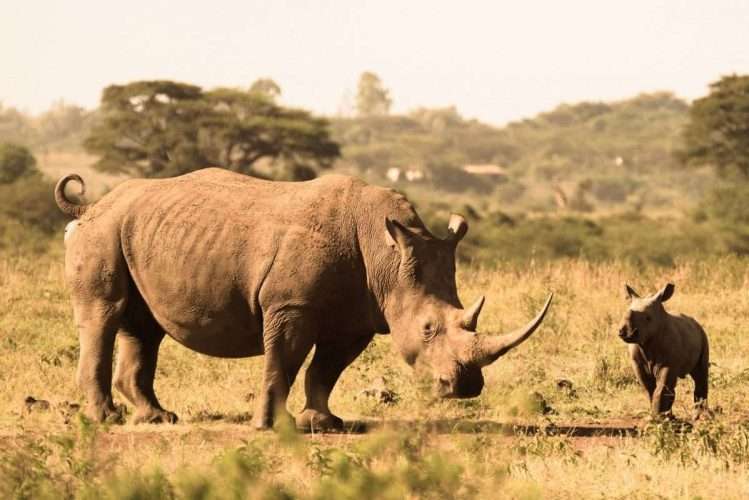
Rhinos at Nairobi National Park Kenya

NAIROBI EXCURSIONS

Africa Kenya Safaris offers you full and half-day excursions & trips from Nairobi
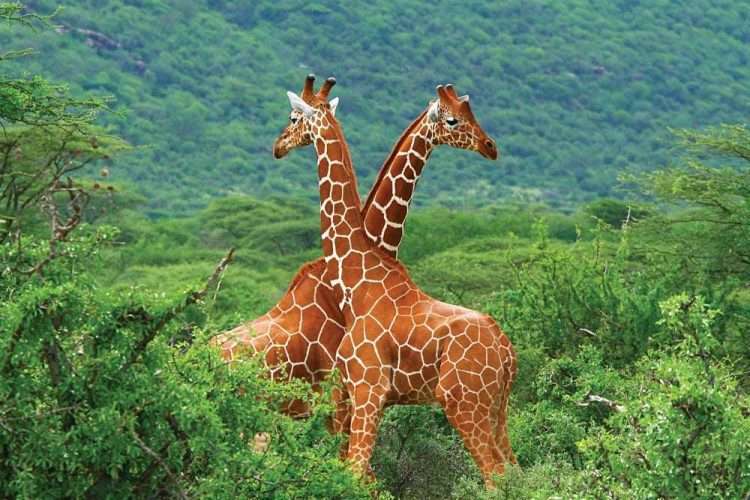
Samburu National Park Kenya giraffes

KENYA SAFARI FROM NAIROBI

Explore our multi-day Kenya safari adventures ranging from 2 – 12 days from Nairobi.
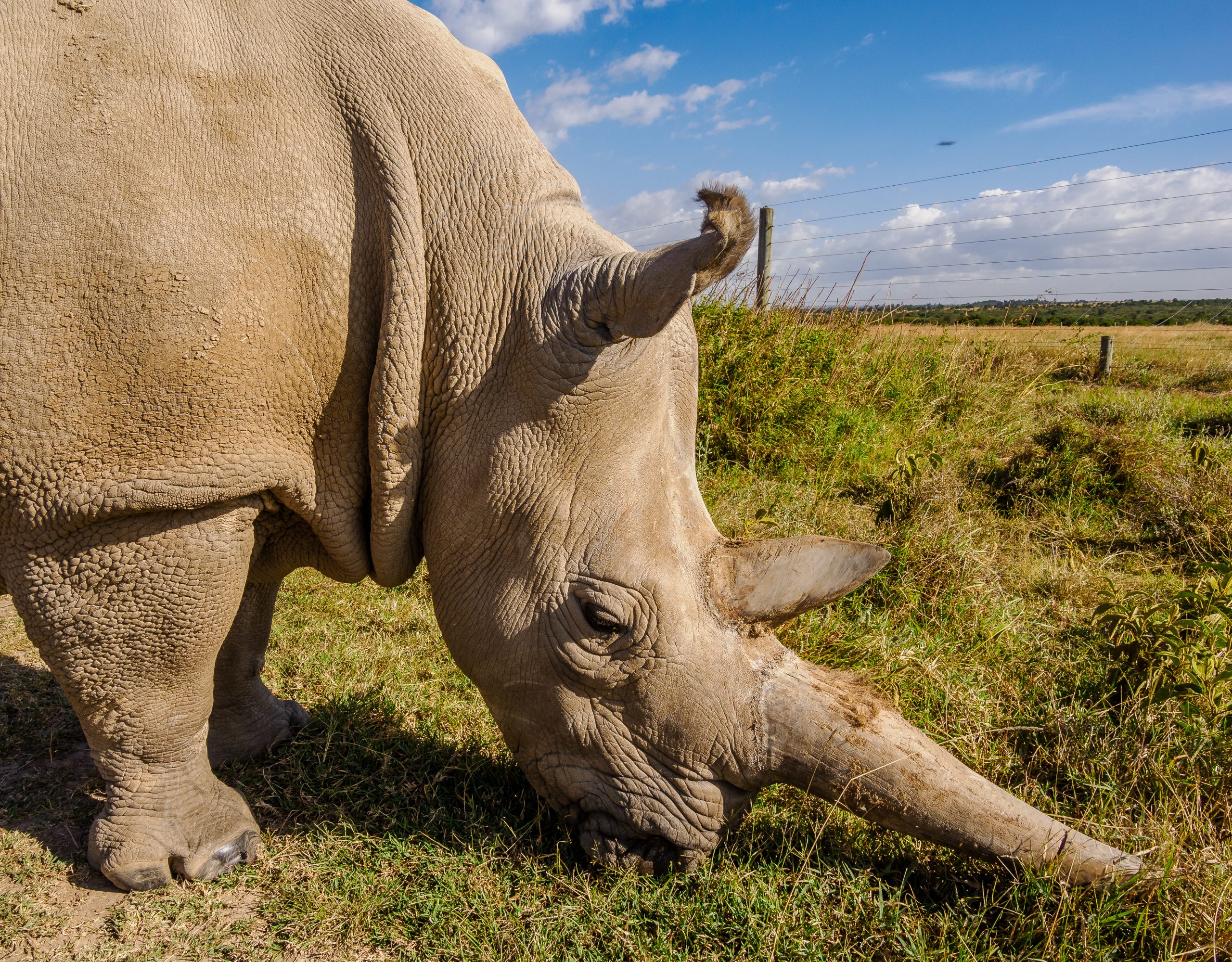
Rhino at Ol Pejeta Wildlife conservancy - book best Africa wildlife safari in Kenya

NAIROBI TO DIANI BEACH SAFARIS

Enjoy a Kenya wildlife safari then finish up your holiday at Kenya’s Diani Beach.
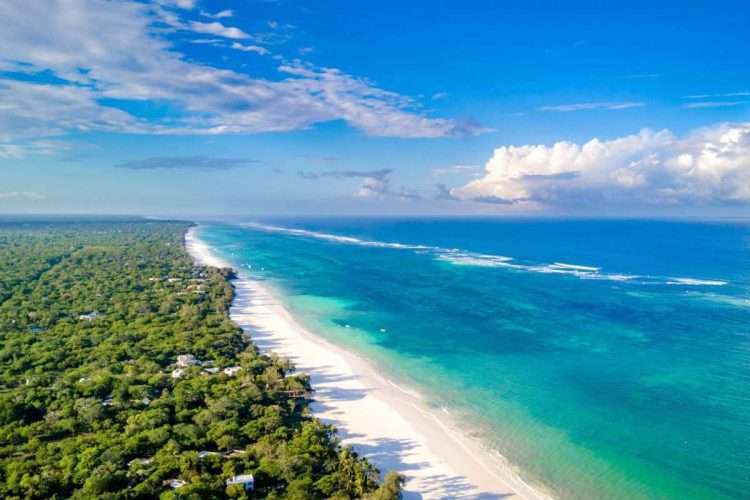
Diani Beachm Kenya Africa Kenya Safaris 3

DIANI BEACH KENYA SAFARIS

Explore our Kenya safaris from beach resorts of Diani – voted Africa’s leading beach destination
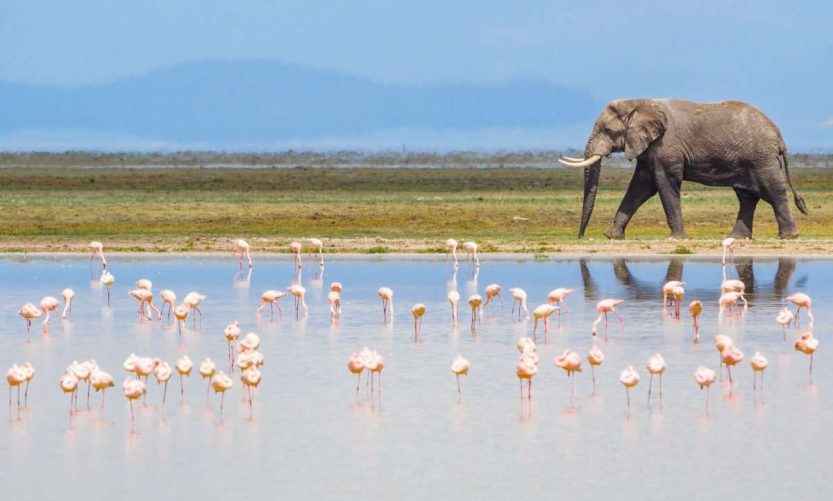
Amboseli National Park Kenya Safari Tour packages - Africa Kenya Safaris (105)

AMBOSELI KENYA SAFARIS

Explore Amboseli – famous for large herds of elephants and scenic views of Mount Kilimanjaro
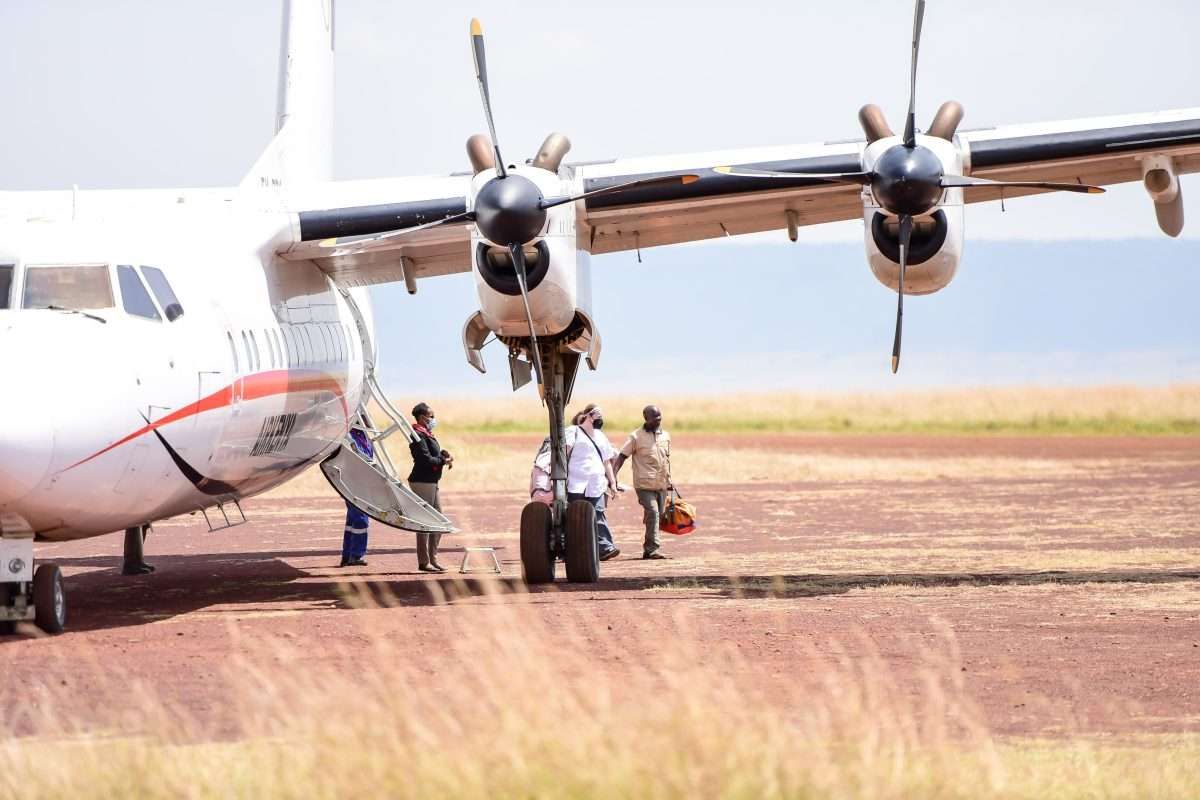
Kenya flight safari tour tour packages from Nairobi, Mombasa, Diani, Malindi & Watamu

KENYA FLIGHT SAFARIS

Book Kenya flight Safaris and explore Masai Mara, Amboseli, Samburu & Lewa Conservancy.
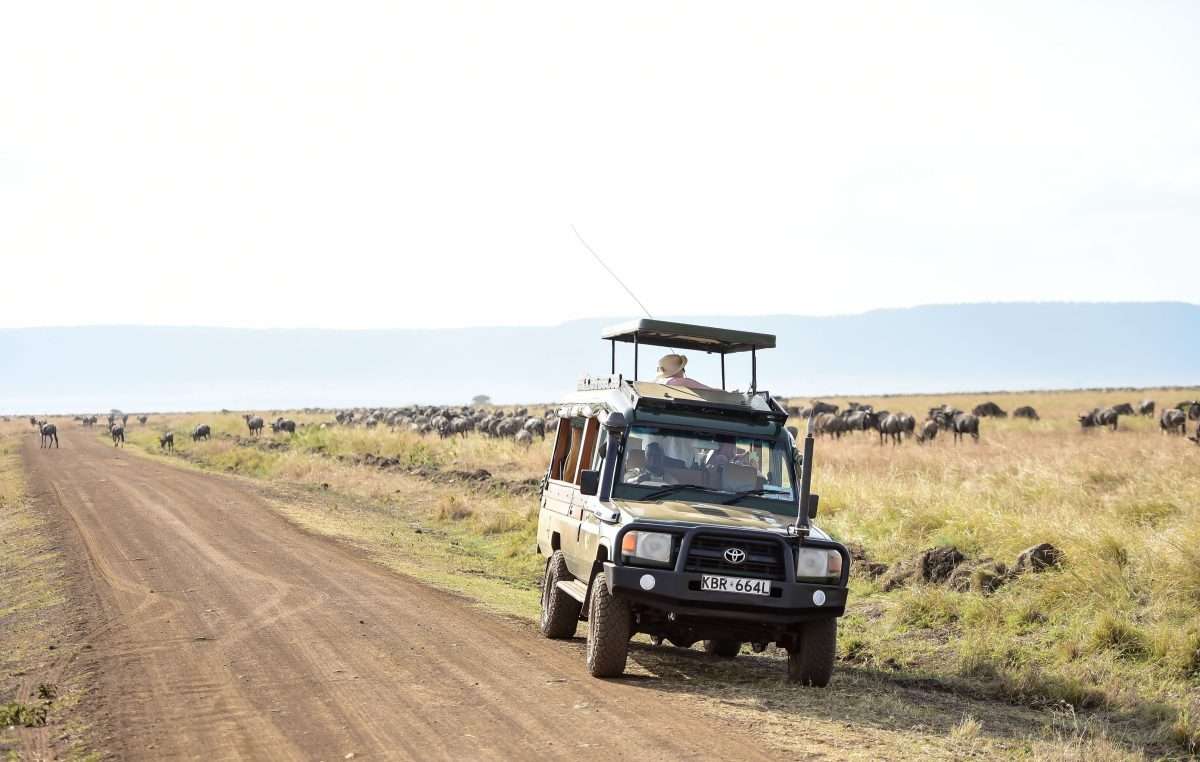
Masai Mara Kenya safaris Africa safari holidays Africa Kenya Safaris scaled

MASAI MARA KENYA SAFARIS

Masai Mara is home of the Great Wildebeest Migration, Big Five of Africa, Big cats, Masai culture etc.
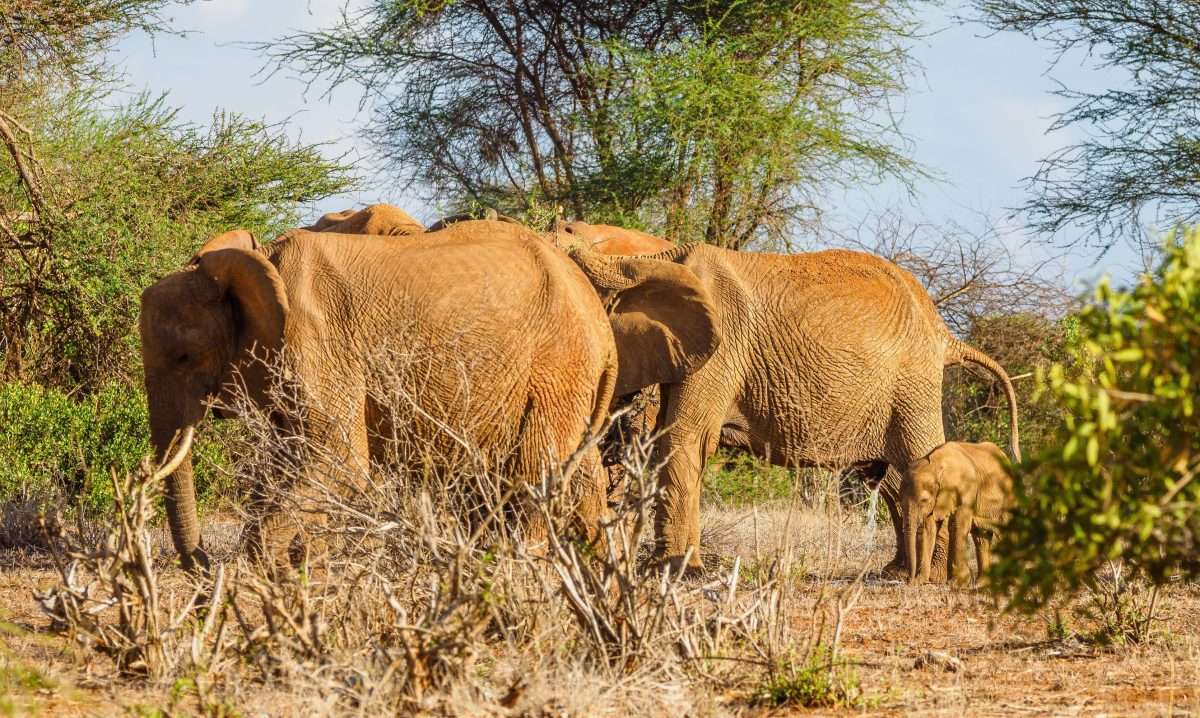
Elephants at Tsavo East National Park Kenya scaled

KENYA BEACH TO NAIROBI SAFARIS

Book Exciting African safaris starting from/to the beautiful Diani beach resorts
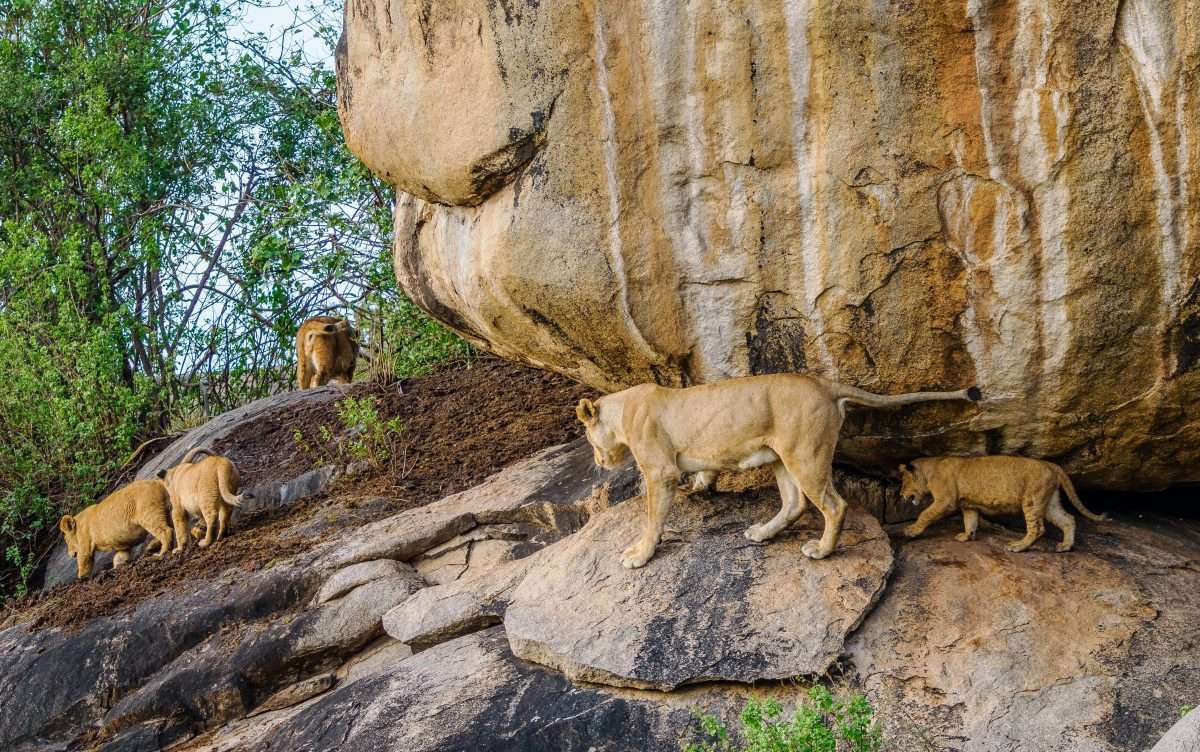
Serengeti National Park Tanzania Book best Kenya safaris Tanzania safaris and Africa safari holidays with Africa Kenya Safaris 27 scaled

KENYA-TANZANIA SAFARIS

Experience wildlife parks, beaches and mountains of Kenya & Tanzania.

Diani Beachm Kenya Africa Kenya Safaris 3

KENYA SAFARI & DIANI BEACH

Experience the best of both worlds – a thrilling Kenya safari and a dream Diani beach vacation
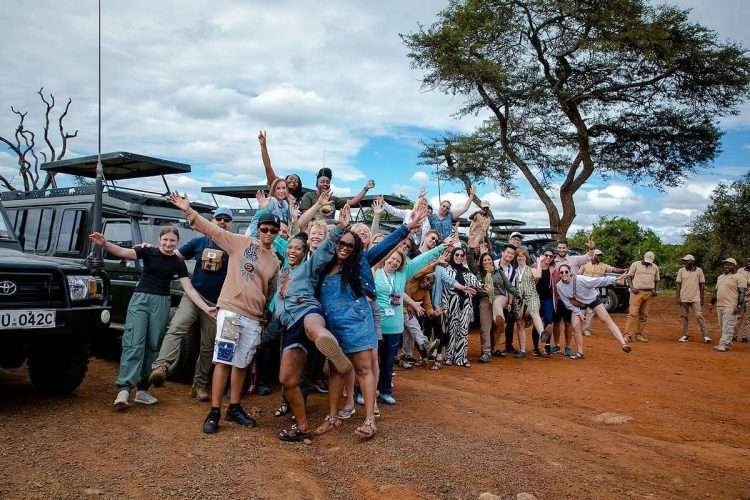
African group tours and Kenya group safaris by Africa Kenya Safaris

KENYA SHORT GROUP SAFARIS

Join our exciting Kenya short Group safari Tours from Nairobi in 4×4 safari jeeps
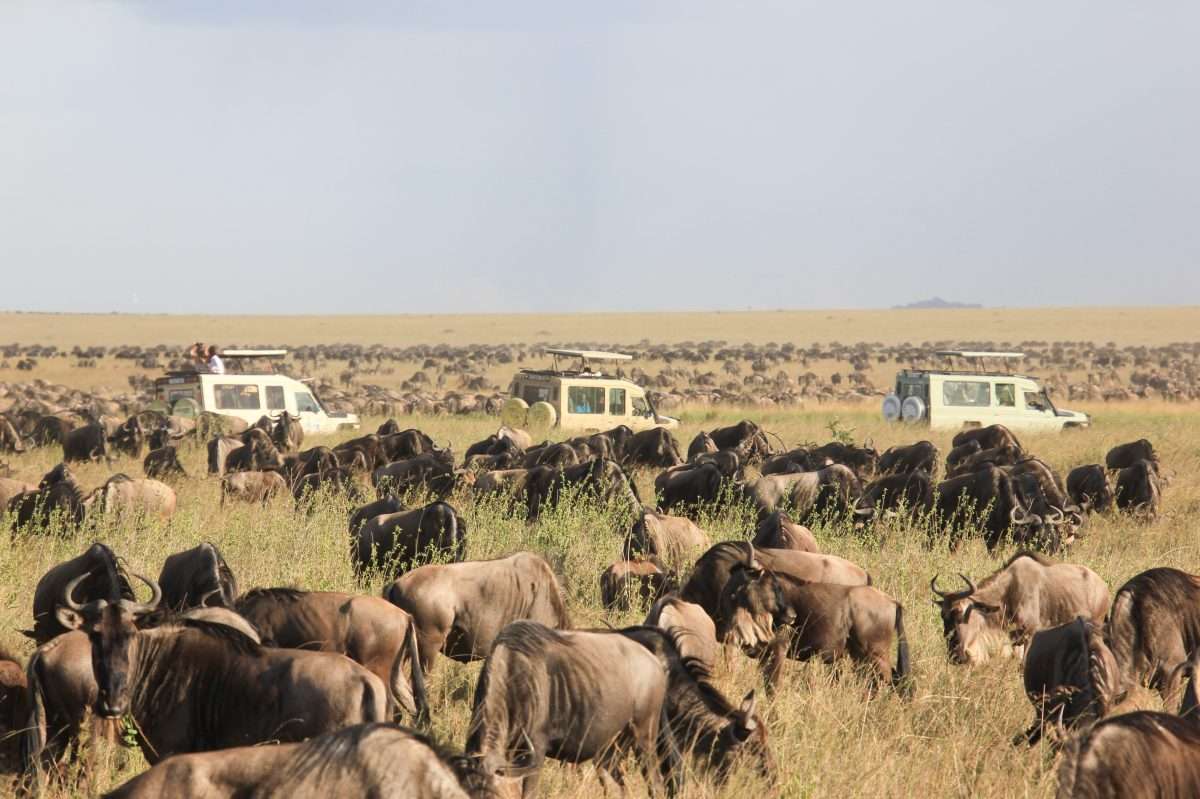
Wildebeest Migration Serengeti National Park Tanzania and Masai Mara National Reserve in Kenya Africa Kenya Safaris scaled

TANZANIA SAFARI HOLIDAYS

Exciting 4×4 Tanzania safaris from Arusha town. Explore Serengeti, Ngorongoro, Manyara & Tarangire.
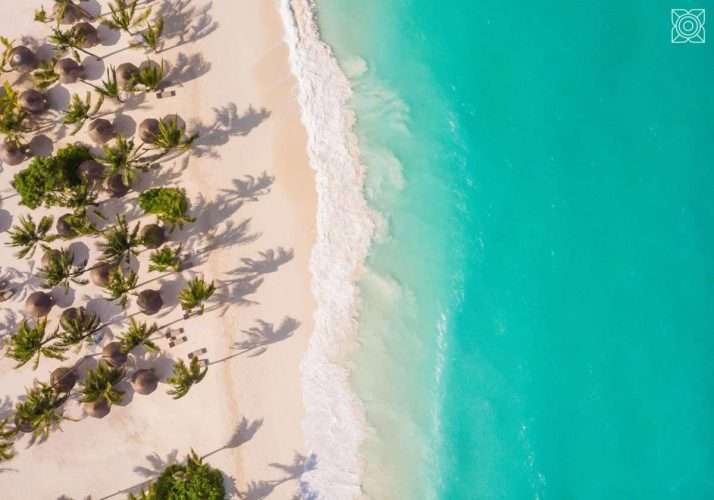
ZURI Beach Drone1 scaled

ZANZIBAR BEACH HOLIDAYS

Pre/post your African safari holiday in Kenya & Tanzania, ‘escape’ to Africa’s leading beach destination – Zanzibar!
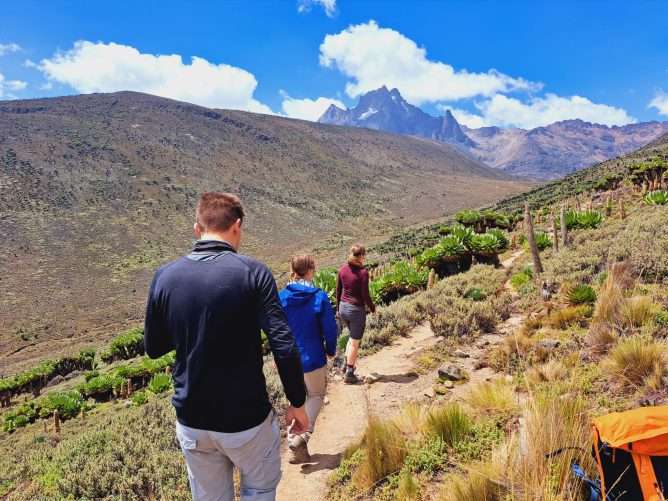
Mount Kenya climbing adventure tours by Africa Kenya Safaris - credits Glamping Kenya (19)

MOUNTAIN CLIMBING TOURS

Best Africa mountain climbing adventure tour packages and safaris. Climb Mount Kenya and Mount Kilimanjaro
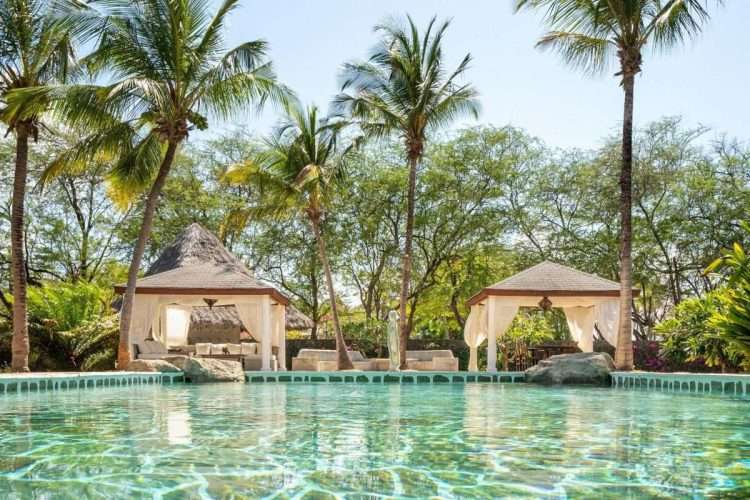
Billionaire Resort and Retreat Malindi beach Kenya Africa Kenya Safaris Limited 2 scaled

EAST AFRICA BEACH HOLIDAYS

Best family-friendly beach holidays on the sandy beaches of Mombasa, Diani, Malindi, Watamu, Lamu & Zanzibar
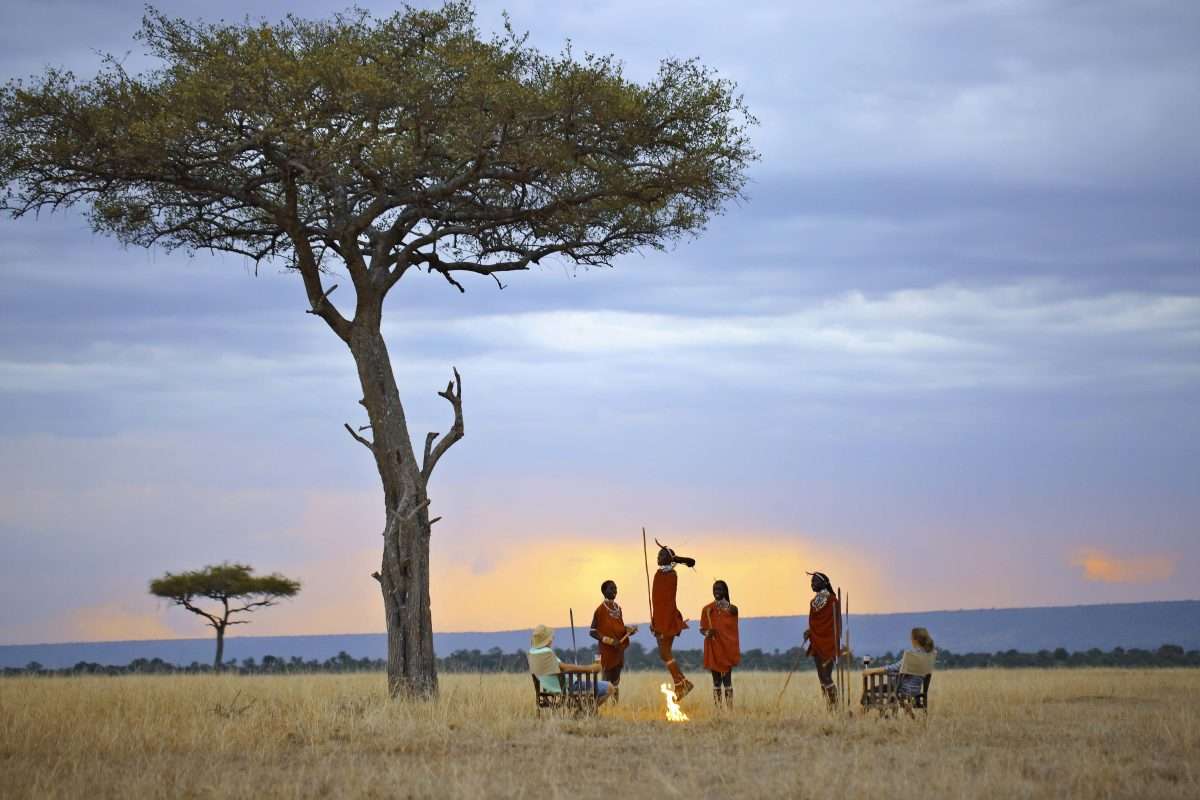
Sundowner Naserian Mara Camp Masai Mara Africa Kenya Safaris 2 scaled

HOLIDAY EXPERIENCES

You came to Africa to live an experience – to see the Big 5, Big cats, wildebeest migration & so much more!

Customize your dream African safari

At Africa Kenya Safaris we are always flexible with your options, we will offer our thoughts on seasons, budgets, lifestyle, accommodations, first-hand experience of the parks, and all the possible activities to fill out your safari story. We’ll work with your impressions and dreams and add our ideas on which to build your adventure.

Book This Tour

Personal Information

All fields with an asterisk (*) are required

Tour Information

Help us create your perfect Safari! Tell us about your travel choices, any unique experiences you desire, and upcoming special occasions.

Book This Tour

Personal Information

All fields with an asterisk (*) are required

Tour Information

Help us create your perfect Safari! Tell us about your travel choices, any unique experiences you desire, and upcoming special occasions.