
ARABUKO SOKOKE FOREST RESERVE
Great & Tiny Elephants plus Forest Secrets
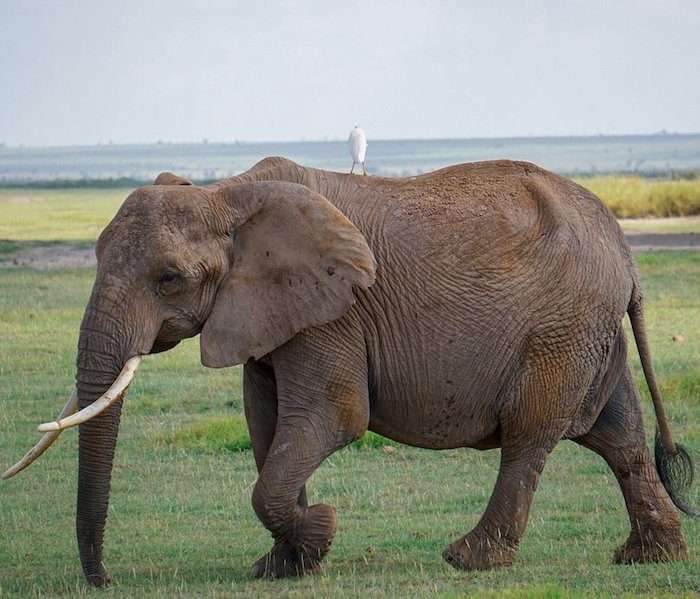
This last and largest coastal forest may be enchanted. Not only will you find giant elephants here but it’s also the only habitat for the tiny golden-rumped elephant shrew. Scurrying about on the forest floor, it looks uncannily like its enormous cousin. Just minutes from Watamu Beach and the Indian Ocean this wonderland of birds and butterflies has also secreted away a 13th century Swahili village, protected from time.
As you step under the reserve’s lush forest canopy, the colors and forest sounds of monkeys, owls, sunbirds, baboons, and bushbaby will amuse your senses. Exploring the reserve’s well-marked paths, you may also come upon a herd of buffalo, bushy-tailed mongoose, and the tiniest owl in Africa – the Sokoke scops owl. And filling out this magical realm, are the many flavors of birds and butterflies swirling about.

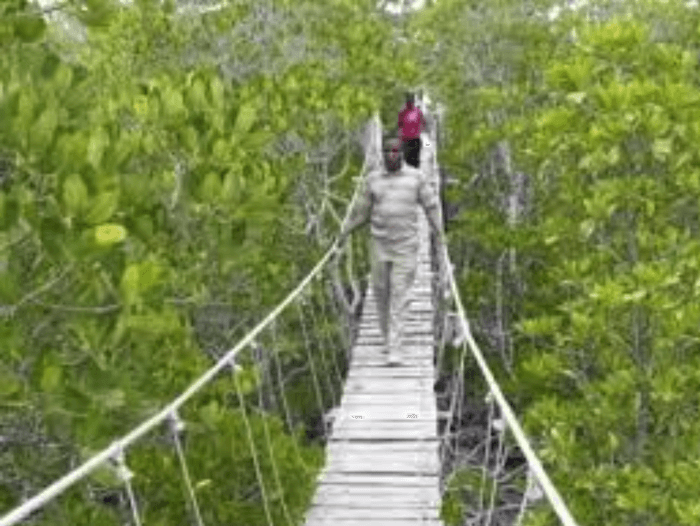
Platforms and Pools
Lucky wanderers in this reserve will spot some of the 270 types of birdlife and amphibians filling the trees and also its many pools. Take a hike to the Kararacha Pool and don’t miss the Whistling Duck Pool, home to whistling ducks, storks, and grebes.
Another unique treat is the reserve’s high vantage points with which to view the elephants, birds, and monkeys. Safari-goers can ascend two tree-top platforms and gaze upon the thick forest life below. Check out the drama of Nyari Cliff with its postcard views of the forest canopy and the ocean beyond.
A Walk Back in Time
The enchantment here isn’t just held in the present but goes back centuries. Hidden amongst the dense forest glade lived the 13th-century Swahili town of Gedi. A thriving community, it was little-known and thus protected from the Portuguese invaders of the colonial era. You can still see relics of the ancient town as you hike the paths of the reserve.

Don’t Miss…
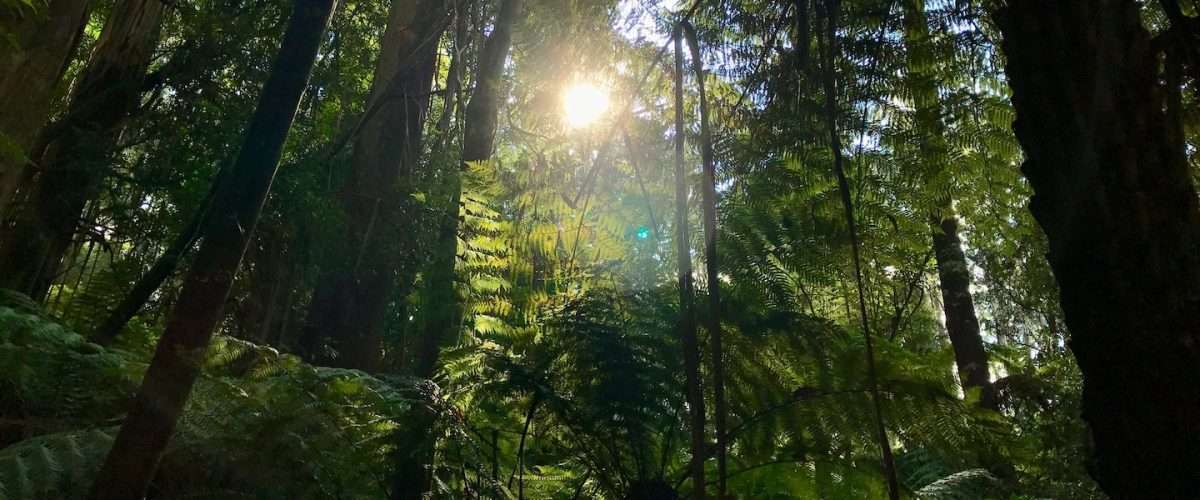
Hiking trails – The hiking here is easy on the well-marked paths and you’ll enjoy the lush shade the dense vegetation provides. You can explore on your own but the guided nature walks here will afford a more complete discovery of the flora and fauna. The best discovery times are early morning and dusk when the wildlife is most active.
Viewpoints – Nyari Cliff is a dramatic vantage point for viewing the park and an ideal camping spot to catch the sunrise. Don’t miss going up the tall tree platforms with views of the wildlife below.
Milda Creek – Visit this stunning inlet to catch views of flamingoes and sandpipers. There is also a bird hide to get even closer sightings.
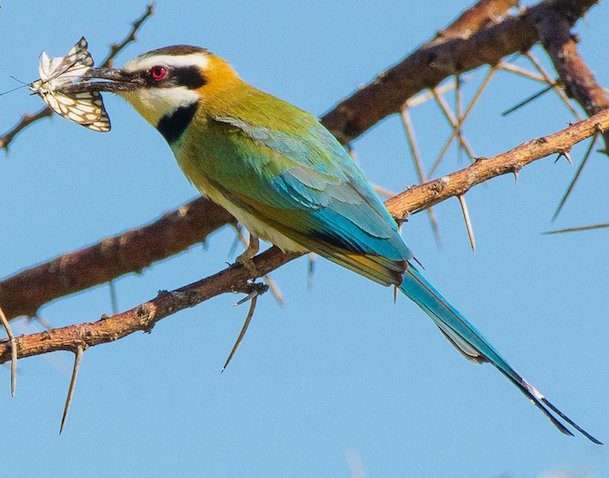
Birding – Over 270 types of avian life fill the park including the Amani Sunbird and Clarke’s weaver.
Camp out – The reserve offers 3 fine camping locations for a truly immersive experience.
Survey: Arabuko Sokoke Forest Reserve
The last piece of tropical coastal forest in Kenya, the reserve is 420 sq km (162 sq mi) of living history.
Location: Situated between the resort towns of Kilifi and Malinda, Arabuko Sokoke is 110 km (68 mi) north of the coastal city of Mombasa.
When to go: This accessible park is open year-round.
Climate: You’ll appreciate the cool shade of the forest canopy, for the park can be warm and dry. But come the long rains from April through June and wet weather provides a cooling break.
Best time to visit: The wildlife is most active in the cool early morning and around dusk, avoiding the mid-day heat.
Operating hours: 6:00 am to 6:00 pm daily.
Getting there: You can Book a tour with Africa Kenya Safaris. And you’ll go in style – a specially outfitted 4 x 4 safari Jeep.
Arabuko Sokoke National Park
Arabuko Sokoke National Park is a protected area within the larger Arabuko Sokoke Forest Reserve, offering a unique glimpse into one of Kenya’s most vital and diverse ecosystems. This national park, although smaller in size compared to the entire reserve, serves as a crucial sanctuary for many rare and endangered species. It is renowned for its rich biodiversity, including the endemic Clarke’s weaver and the golden-rumped elephant shrew. Visitors to Arabuko Sokoke National Park can explore its dense forests, vibrant birdlife, and scenic landscapes, experiencing the natural beauty and ecological significance that the larger Arabuko Sokoke Forest Reserve encompasses. At Africa Kenya Safaris, we provide guided tours to help you uncover the hidden treasures of this remarkable destination.

This is Arabuko Sokoke
A perfect retreat from the sunbaked coast and typical big game safaris, a visit to this shady tropical glen brings visitors up close to rare and unusual wildlife, birds, and even amphibians. An easy, peaceful reprieve, come here to relax, learn and soak up the primeval vibes.
Arabuko Sokoke Facts & FAQs
Arabuko Sokoke National Park and Forest, one of Kenya’s most significant coastal forests, offers a wealth of activities and unique experiences for nature enthusiasts and adventure seekers. From exploring diverse hiking trails and indulging in exceptional bird watching to understanding its rich conservation history, this FAQ section provides comprehensive insights into the best ways to experience Arabuko Sokoke. Discover how you can immerse yourself in the park’s natural beauty, engage with its diverse wildlife, and enjoy the stunning landscapes that make this destination a must-visit.
What is the weather like in Arabuko Sokoke?
Arabuko Sokoke Forest, located in coastal Kenya, experiences a tropical climate characterized by warm temperatures and high humidity throughout the year. The weather is generally mild with temperatures ranging between 20°C to 30°C (68°F to 86°F), making it pleasant for wildlife viewing and forest walks.
Rainy Seasons and Humidity
Arabuko Sokoke has two main rainy seasons: the long rains from March to May and the short rains from October to December. During these periods, the forest receives significant rainfall, contributing to its lush vegetation and vibrant ecosystem. The humidity levels remain high year-round, often exceeding 80%, which creates a moist environment conducive to the growth of dense forest cover. The wet conditions during the rainy seasons can lead to muddy trails, so visitors should come prepared with appropriate footwear and rain gear.
Dry Seasons and Temperature Variations
The dry seasons, from June to September and January to February, offer a drier and slightly cooler climate. During these months, rainfall is minimal, and temperatures can be more comfortable for outdoor activities. While the weather is generally stable, visitors should be aware that the humidity remains high even during the dry periods. The dry season is an excellent time for exploring Arabuko Sokoke, as the reduced rainfall makes trails more accessible and wildlife more active, providing better opportunities for observation and photography. Africa Kenya Safaris can help you plan your visit to align with the best weather conditions for your preferences and activities in this unique forest reserve.
Where is the Arabuko Sokoke Forest located?
Arabuko Sokoke Forest is located along Kenya’s coast, near the town of Malindi in Kilifi County. This expansive and biodiverse forest is situated approximately 115 kilometers (71 miles) northeast of Mombasa, offering a unique ecological experience close to Kenya’s Indian Ocean coastline.
Proximity to Coastal Towns
The forest’s location makes it easily accessible from major coastal towns, including Malindi and Watamu. Positioned between the Indian Ocean and the Tana River, Arabuko Sokoke is part of the coastal lowlands, which feature a diverse range of habitats, including tropical forests, mangroves, and savannas. Its proximity to these towns provides visitors with convenient access to both beach and forest experiences, combining relaxation with exploration. The forest’s location also supports a rich variety of wildlife and plant species adapted to the coastal environment.
Conservation and Ecological Significance
Arabuko Sokoke Forest is a critical area for conservation due to its status as one of the last remaining remnants of the coastal forest ecosystem in Kenya. The forest’s unique position along the coast contributes to its ecological significance, providing habitat for numerous endangered species, including the Aders’ duiker and the East African wildcat. Its location within the coastal region helps maintain the delicate balance between marine and terrestrial ecosystems, making it an important area for both conservationists and visitors interested in experiencing Kenya’s diverse natural landscapes. Africa Kenya Safaris offers guided tours to Arabuko Sokoke Forest, ensuring that visitors can appreciate its ecological richness and conservation importance while exploring this unique part of Kenya.
Where is the Arabuko Sokoke National Park located?
Arabuko Sokoke National Park is located in Kilifi County, on Kenya’s coastal region, near the town of Malindi. Situated about 115 kilometers (71 miles) northeast of Mombasa, this national park is an integral part of the Arabuko Sokoke Forest Reserve, offering visitors an immersive experience in one of Kenya’s most biodiverse coastal forests.
Proximity to Coastal Attractions
The park’s location makes it easily accessible from major coastal towns such as Malindi and Watamu. Positioned along the Indian Ocean coastline, it serves as a gateway to a diverse range of habitats including tropical forest, savanna, and mangrove ecosystems. Its proximity to these popular tourist destinations allows visitors to combine their safari experience with beach holidays, making it a versatile choice for exploring Kenya’s natural beauty. The ease of access from coastal towns also enhances the convenience of visiting Arabuko Sokoke National Park, offering a unique escape into nature close to the vibrant coastal region.
Ecological Importance and Conservation
Arabuko Sokoke National Park is crucial for the conservation of Kenya’s coastal forest ecosystem. It protects one of the last remaining stretches of East African coastal forest, which is home to a variety of rare and endangered species such as the Aders’ duiker and the Sokoke scops owl. The park’s strategic location within the coastal lowlands helps to preserve its unique biodiversity and supports vital ecological processes. As part of the broader Arabuko Sokoke Forest Reserve, the national park plays a significant role in maintaining the ecological balance between land and sea. Africa Kenya Safaris offers tailored tours to Arabuko Sokoke National Park, ensuring that visitors can appreciate its ecological richness and conservation efforts while exploring its diverse landscapes.
What animals can I see in Arabuko Sokoke National Park?
In Arabuko Sokoke National Park, you can see a variety of wildlife including rare and endangered species such as the Aders’ duiker, the Sokoke scops owl, and the Sykes monkey. The park’s diverse habitats support a range of animals, making it a prime destination for wildlife enthusiasts and conservationists.
Unique Mammals and Birds
The park is renowned for its unique mammals and bird species. Among its notable residents are the Aders’ duiker, a critically endangered antelope found only in this forest, and the African wildcat. Birdwatchers will be thrilled by the chance to see the Sokoke scops owl, a rare species endemic to the coastal forests of Kenya. Additionally, the park is home to other fascinating wildlife such as the golden-rumped sengi, a small elephant shrew, and various primates like the Sykes monkey and the vervet monkey. These species contribute to the park’s rich biodiversity and provide exciting opportunities for wildlife observation.
Reptiles and Insects
Arabuko Sokoke National Park also boasts a variety of reptiles and insects, enhancing its ecological diversity. Visitors may encounter different types of chameleons, geckos, and snakes, including the non-venomous sand boa. The park’s insect life includes numerous butterflies and beetles, which play vital roles in the ecosystem as pollinators and decomposers. The combination of these species with the park’s dense vegetation creates a dynamic environment that supports a thriving, interconnected web of life. Africa Kenya Safaris offers guided tours to help visitors explore the park’s unique wildlife, providing insights into its ecological significance and conservation efforts.
How big is Arabuko Sokoke Forest?
Arabuko Sokoke Forest spans approximately 420 square kilometers (162 square miles). This substantial area encompasses one of the largest remaining coastal forests in East Africa, making it a crucial site for biodiversity and conservation efforts.
Expansive Ecosystem Diversity
The forest’s size allows for a diverse range of ecosystems, including tropical lowland forests, swampy areas, and mangroves. This variety of habitats supports a rich tapestry of wildlife and plant species, contributing to the forest’s ecological significance. The large expanse of Arabuko Sokoke enables it to sustain numerous rare and endangered species, such as the Aders’ duiker and the Sokoke scops owl. Its broad range of environments provides essential resources and shelter for these species, making the forest a vital conservation area.
Conservation and Research Importance
Arabuko Sokoke Forest’s extensive size plays a crucial role in ongoing conservation and research initiatives. Its expansive area allows for the protection of diverse habitats and the implementation of long-term ecological studies. This size supports various conservation programs aimed at preserving endangered species and maintaining the health of the forest ecosystem. Africa Kenya Safaris offers guided tours to help visitors appreciate the forest’s vastness and understand the importance of its conservation, while also supporting sustainable tourism practices that benefit both the environment and local communities.
When is the best time of day to go on safari in Arabuko Sokoke Forest?
The best time of day to go on safari in Arabuko Sokoke Forest is early in the morning or late in the afternoon. During these times, wildlife is most active, and the cooler temperatures make for a more comfortable experience.
Morning Safaris: Wildlife Activity
Early morning safaris in Arabuko Sokoke Forest offer the best opportunities to observe wildlife as animals are more active after dawn. This is when many species, including the elusive Aders’ duiker and the Sokoke scops owl, are foraging or engaging in their daily routines. The cooler temperatures of the morning also make wildlife sightings more comfortable and enjoyable for visitors. Additionally, morning safaris often provide beautiful light for photography, capturing the forest’s rich landscapes and wildlife in the best possible conditions.
Afternoon Safaris: Ideal Viewing Conditions
Late afternoon safaris are another excellent option for exploring Arabuko Sokoke Forest. As temperatures cool down, animals become more active again, preparing for the evening. The softer light of the late afternoon enhances visibility and offers a different perspective on the forest’s flora and fauna. This time of day also allows visitors to experience the forest as it transitions from day to night, providing unique opportunities to observe nocturnal species that become active as darkness falls. Africa Kenya Safaris provides guided tours during these optimal times, ensuring a rewarding and memorable safari experience in this unique coastal forest.
When is the best time of year to visit Arabuko Sokoke Forest?
The best time of year to visit Arabuko Sokoke Forest is during the dry seasons, from June to October and January to February. These periods offer more predictable weather and easier access to the park, making wildlife viewing more enjoyable.
Dry Season Advantages
During the dry seasons, the forest’s trails are more accessible, and wildlife congregates around water sources, making it easier to spot rare and elusive species like the Aders’ duiker and the Sokoke scops owl. The lack of heavy rainfall also reduces the risk of muddy conditions, enhancing the overall safari experience. Additionally, the cooler temperatures during these months make for more comfortable exploration and observation, allowing visitors to fully appreciate the forest’s rich biodiversity.
Wet Season Considerations
While the wet seasons from March to May and November to December offer lush, vibrant scenery and fewer crowds, they can present challenges for wildlife viewing. Heavy rains can lead to muddy trails and make some areas less accessible, and wildlife tends to be more dispersed. However, this time can still be rewarding for birdwatchers and those interested in seeing the forest’s lush vegetation and vibrant plant life. Africa Kenya Safaris offers tailored tours that cater to different seasons, ensuring that visitors experience the best of Arabuko Sokoke Forest regardless of the time of year.
What is the history of Arabuko Sokoke Forest and Arabuko Sokoke National Park?
Arabuko Sokoke Forest, which encompasses Arabuko Sokoke National Park, has a rich history of conservation and environmental significance. The forest was designated a forest reserve in 1932 and later became a national park in 1990, aimed at protecting its unique biodiversity and endangered species.
Early Conservation Efforts
Arabuko Sokoke Forest’s journey toward conservation began in the early 20th century when it was established as a forest reserve in 1932 to protect its valuable resources and unique ecosystems. The forest’s importance was recognized for its biodiversity, including rare and endangered species such as the Aders’ duiker and the Sokoke scops owl. Initial conservation efforts focused on managing and preserving the forest’s natural habitats to ensure the survival of these species and the overall ecological balance of the area.
Establishment as a National Park
In 1990, Arabuko Sokoke Forest was officially designated as Arabuko Sokoke National Park to further bolster conservation efforts and enhance its protection status. This transition was part of a broader initiative to safeguard Kenya’s natural heritage and promote sustainable tourism. The national park status allowed for increased resources and support for conservation programs, including habitat preservation and anti-poaching measures. Africa Kenya Safaris supports these conservation efforts by offering guided tours that highlight the forest’s ecological significance and the importance of preserving its unique wildlife and habitats.
What are the best things to do in Arabuko Sokoke Forest?
The best things to do in Arabuko Sokoke Forest include guided nature walks, bird watching, and exploring the forest’s diverse ecosystems. These activities allow visitors to experience the unique biodiversity and natural beauty of one of Kenya’s most important coastal forests.
Guided Nature Walks
Guided nature walks in Arabuko Sokoke Forest provide an immersive experience into its rich flora and fauna. These walks allow visitors to explore the forest’s various habitats, including its dense canopies and lush undergrowth. Accompanied by knowledgeable guides, guests can learn about the forest’s unique plant species, including the endemic sandalwood trees, and spot elusive wildlife such as the Aders’ duiker and the Sykes’ monkey. This activity offers a serene and educational way to connect with the forest’s natural environment.
Bird Watching Opportunities
Arabuko Sokoke Forest is a premier destination for bird watchers, boasting over 200 bird species. Notable species include the rare Sokoke scops owl and the Fischer’s turaco. Bird watching in the forest provides the chance to observe a variety of avian species in their natural habitats. With the help of expert guides, visitors can enhance their birding experience by identifying species and learning about their behaviors and ecological roles. Africa Kenya Safaris offers specialized bird watching tours to ensure a comprehensive and rewarding experience for both amateur and seasoned birders.
Can you go hiking in Arabuko Sokoke National Park?
Yes, you can go hiking in Arabuko Sokoke National Park. The park offers a variety of trails through its diverse habitats, providing an excellent opportunity to explore its unique ecosystems and observe its rich wildlife.
Exploring Diverse Trails
Arabuko Sokoke National Park features several hiking trails that wind through its distinct forest zones, including the dense coastal forest and open grassland areas. These trails vary in difficulty and length, catering to both casual walkers and more experienced hikers. Hiking in the park allows visitors to experience the forest’s ecological diversity up close, from its towering trees and lush undergrowth to the open grasslands that support various wildlife species. Guided hikes are available, providing insights into the park’s flora and fauna and ensuring a safe and informative experience.
Wildlife and Scenic Views
Hiking in Arabuko Sokoke National Park not only offers a chance to see rare and elusive species such as the Aders’ duiker and the Sokoke scops owl but also rewards hikers with scenic views of the forest’s varied landscapes. The elevated trails and viewpoints provide stunning vistas of the surrounding areas, making for memorable photo opportunities. Africa Kenya Safaris offers guided hiking tours that enhance the experience by highlighting key points of interest and ensuring visitors get the most out of their adventure in this unique and biodiverse forest.
Choose Your East Africa Safari Tour
Our Africa Safaris in Kenya, Tanzania & Zanzibar
Check out our many East Africa safari tours:
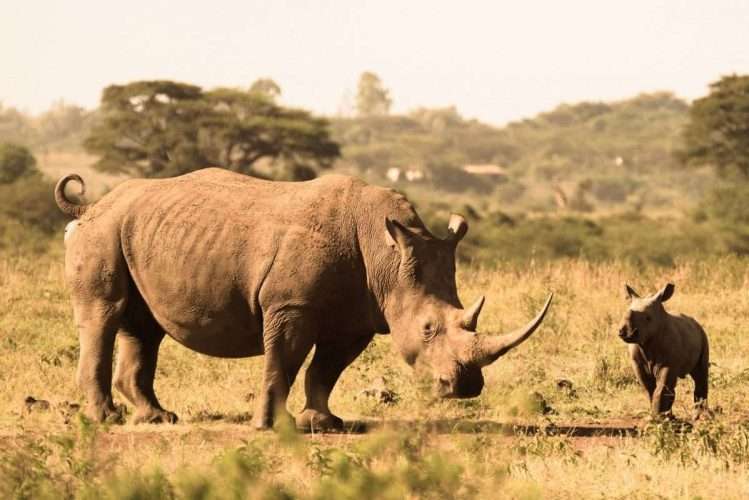
NAIROBI EXCURSIONS
Africa Kenya Safaris offers you full and half-day excursions & trips from Nairobi
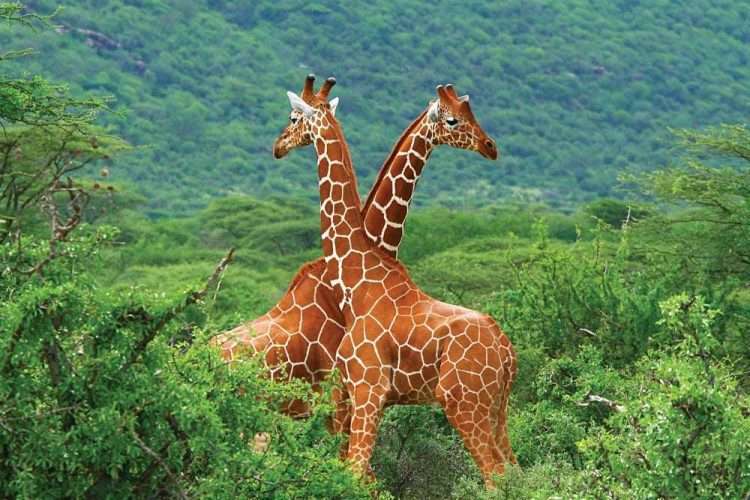
KENYA SAFARI FROM NAIROBI
Explore our multi-day Kenya safari adventures ranging from 2 – 12 days from Nairobi.
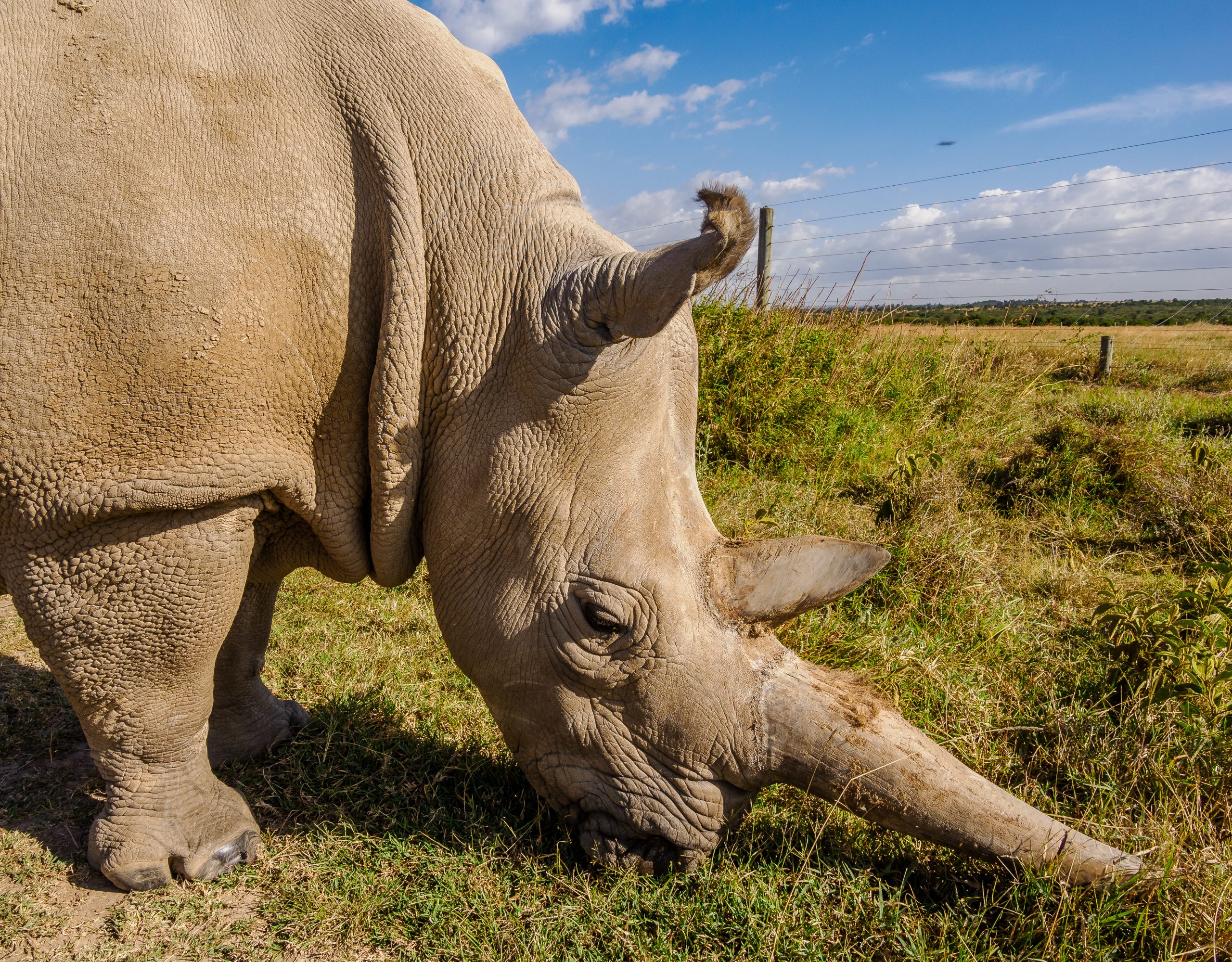
NAIROBI TO DIANI BEACH SAFARIS
Enjoy a Kenya wildlife safari then finish up your holiday at Kenya’s Diani Beach.
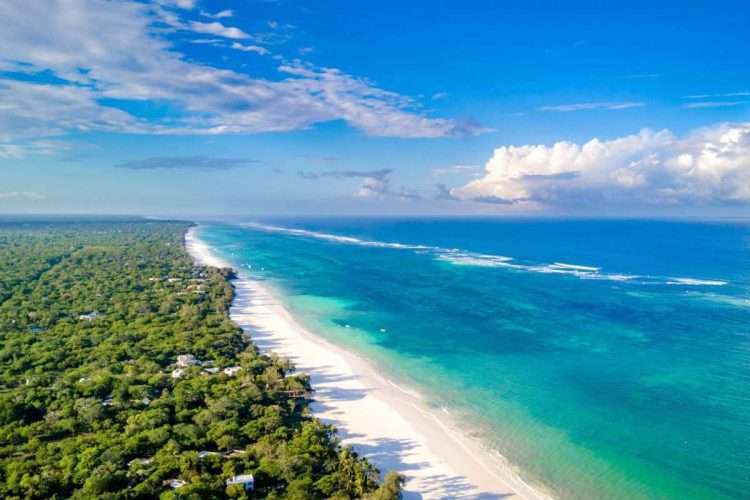
DIANI BEACH KENYA SAFARIS
Explore our Kenya safaris from beach resorts of Diani – voted Africa’s leading beach destination
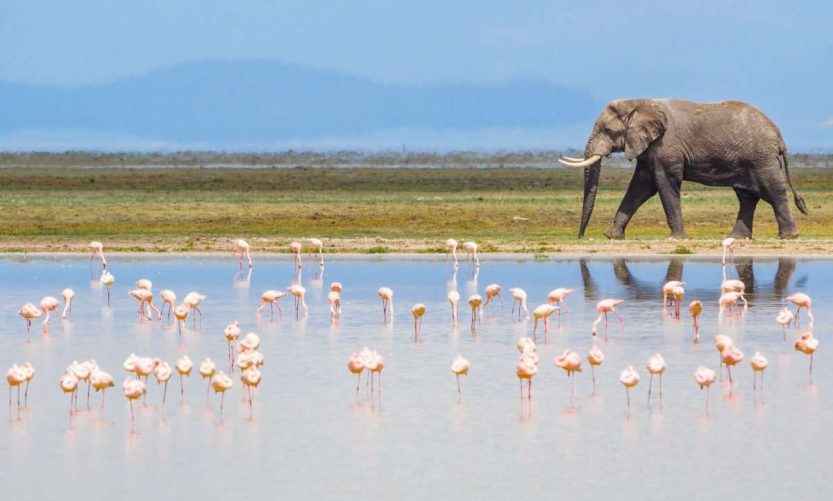
AMBOSELI KENYA SAFARIS
Explore Amboseli – famous for large herds of elephants and scenic views of Mount Kilimanjaro
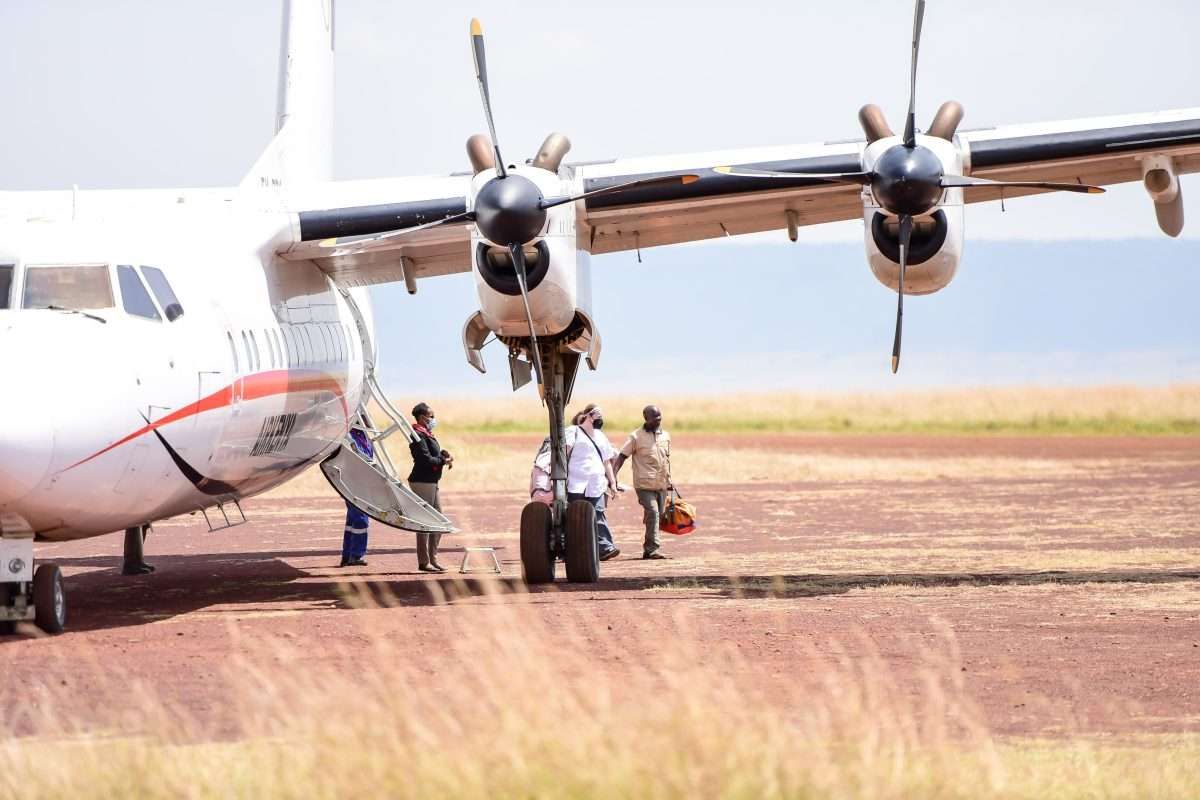
KENYA FLIGHT SAFARIS
Book Kenya flight Safaris and explore Masai Mara, Amboseli, Samburu & Lewa Conservancy.
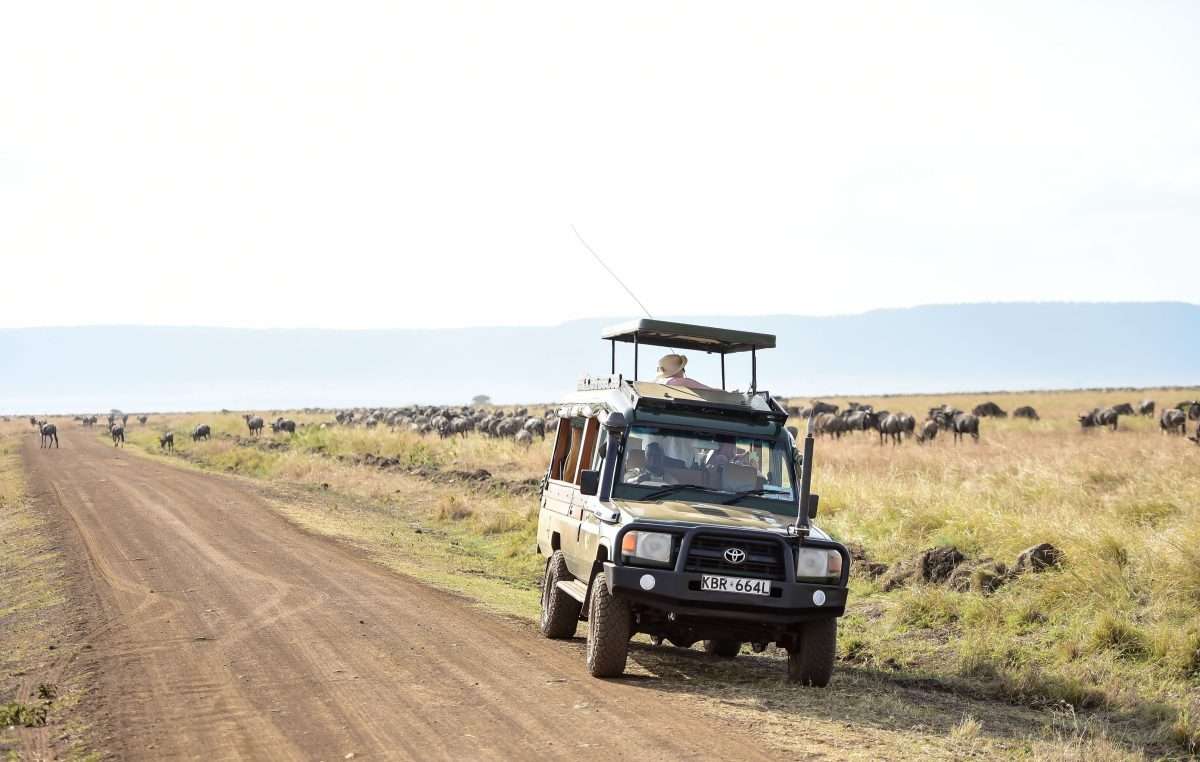
MASAI MARA KENYA SAFARIS
Masai Mara is home of the Great Wildebeest Migration, Big Five of Africa, Big cats, Masai culture etc.
KENYA BEACH TO NAIROBI SAFARIS
Book Exciting African safaris starting from/to the beautiful Diani beach resorts
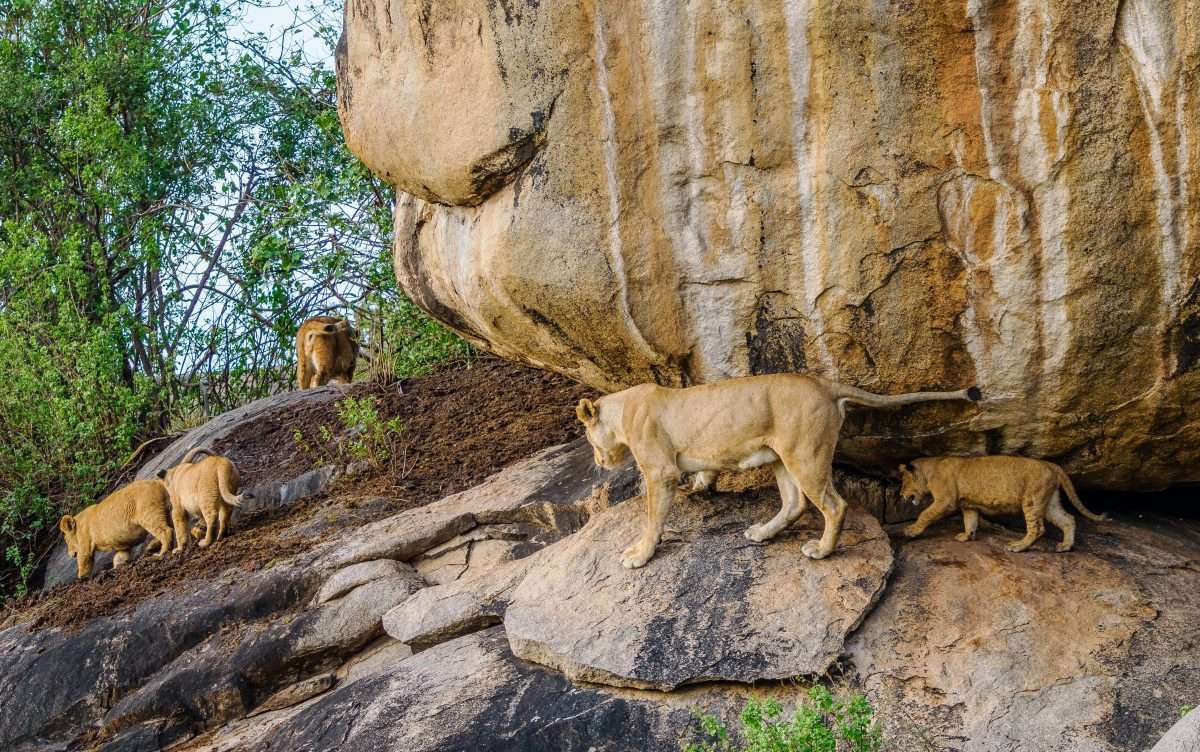
KENYA-TANZANIA SAFARIS
Experience wildlife parks, beaches and mountains of Kenya & Tanzania.
KENYA SAFARI & DIANI BEACH
Experience the best of both worlds – a thrilling Kenya safari and a dream Diani beach vacation

KENYA SHORT GROUP SAFARIS
Join our exciting Kenya short Group safari Tours from Nairobi in 4×4 safari jeeps
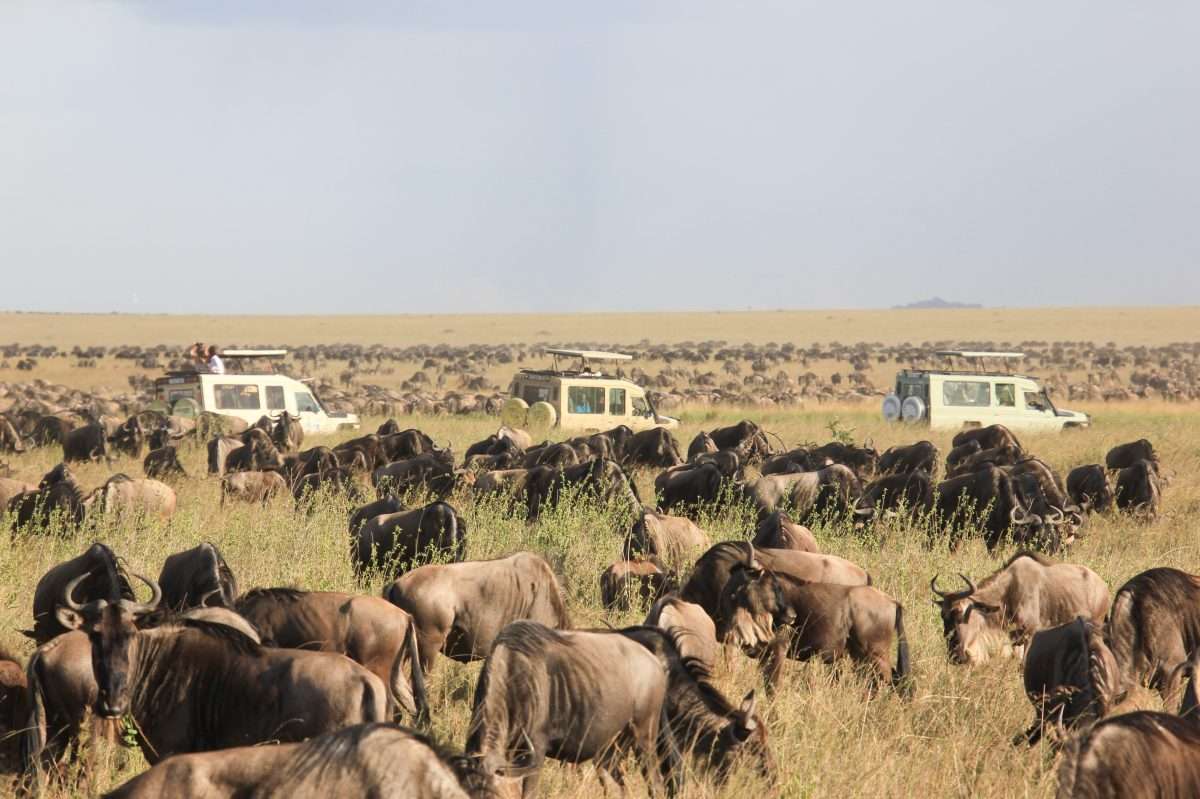
TANZANIA SAFARI HOLIDAYS
Exciting 4×4 Tanzania safaris from Arusha town. Explore Serengeti, Ngorongoro, Manyara & Tarangire.
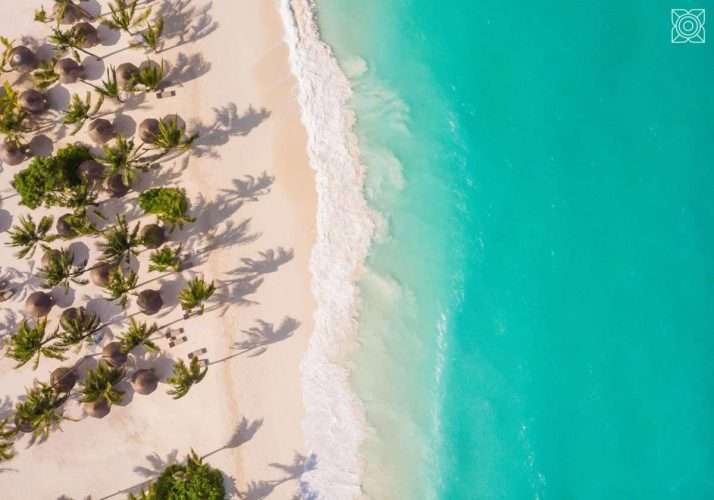
ZANZIBAR BEACH HOLIDAYS
Pre/post your African safari holiday in Kenya & Tanzania, ‘escape’ to Africa’s leading beach destination – Zanzibar!
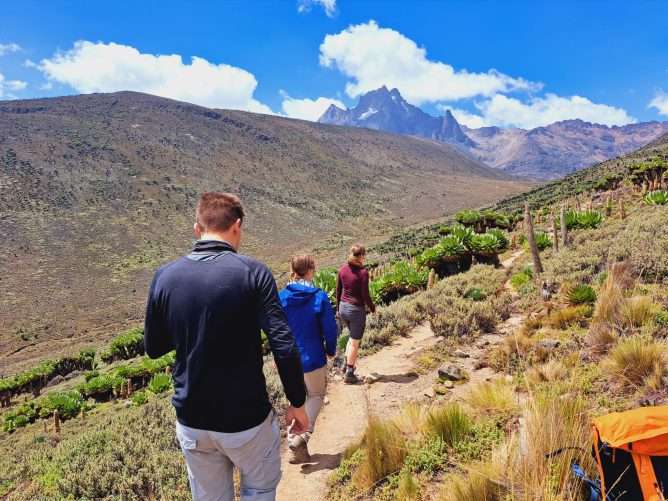
MOUNTAIN CLIMBING TOURS
Best Africa mountain climbing adventure tour packages and safaris. Climb Mount Kenya and Mount Kilimanjaro
EAST AFRICA BEACH HOLIDAYS
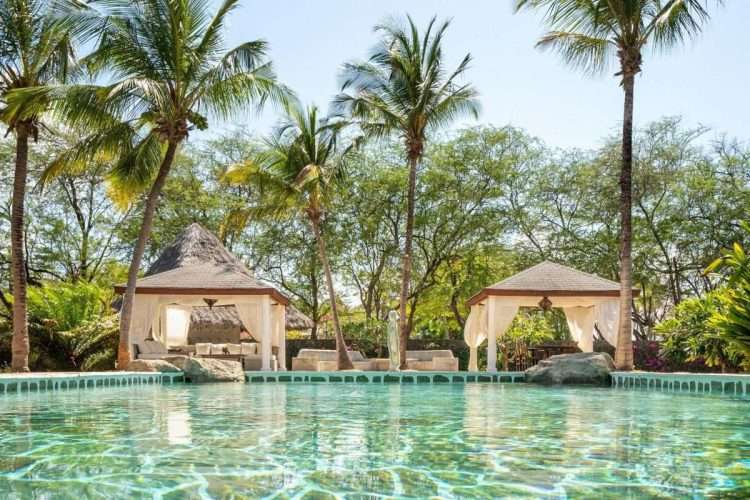
Best family-friendly beach holidays on the sandy beaches of Mombasa, Diani, Malindi, Watamu, Lamu & Zanzibar
HOLIDAY EXPERIENCES
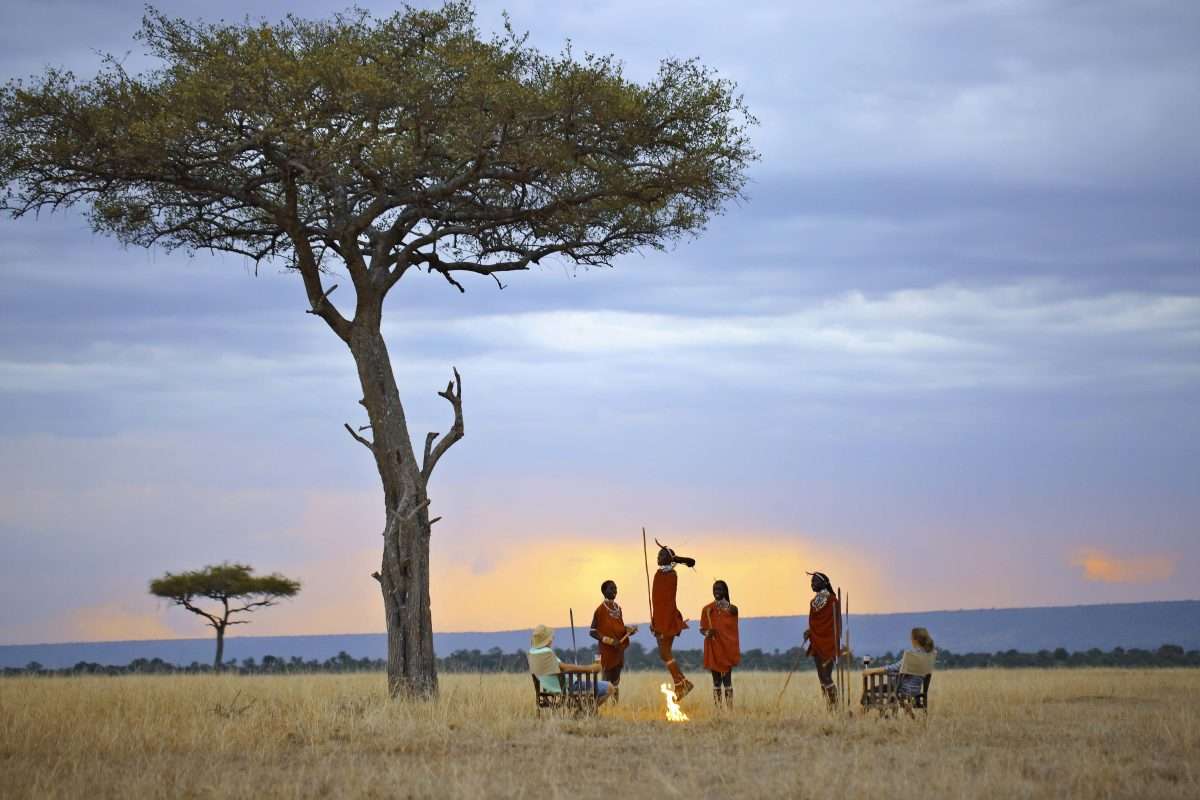
You came to Africa to live an experience – to see the Big 5, Big cats, wildebeest migration & so much more!
Customize your dream African safari
At Africa Kenya Safaris we are always flexible with your options, we will offer our thoughts on seasons, budgets, lifestyle, accommodations, first-hand experience of the parks, and all the possible activities to fill out your safari story. We’ll work with your impressions and dreams and add our ideas on which to build your adventure.