
MT. KENYA NATIONAL PARK
From Tropical Forests to Alpine Glaciers
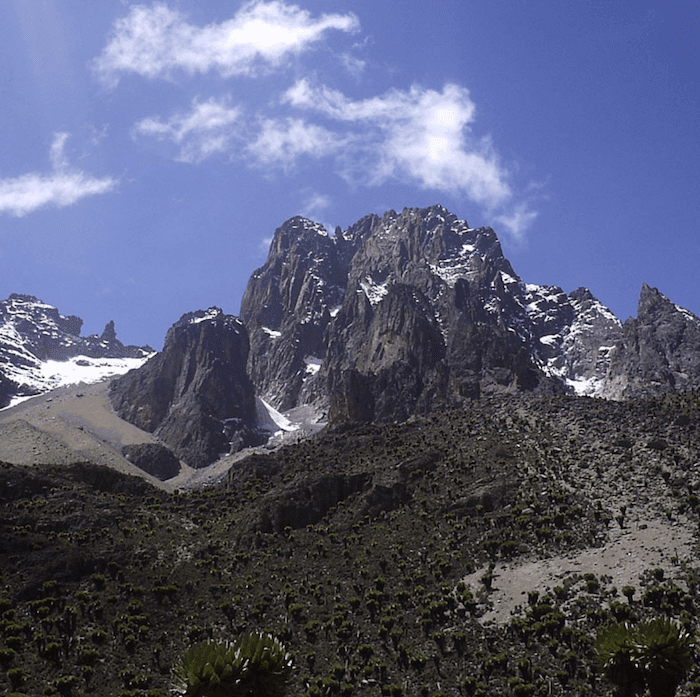
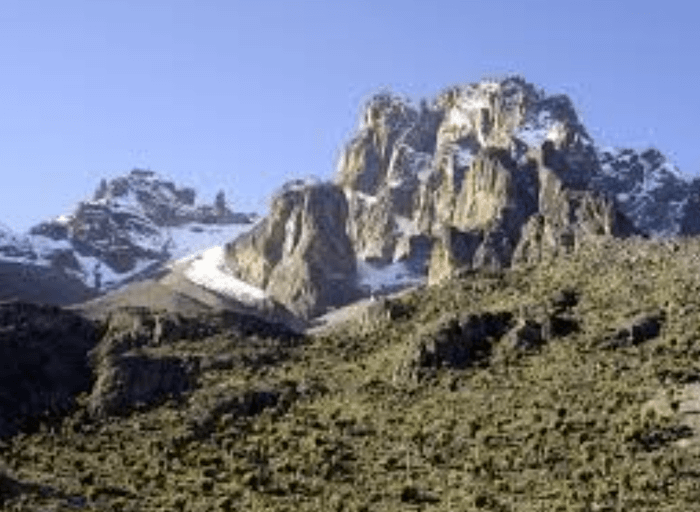
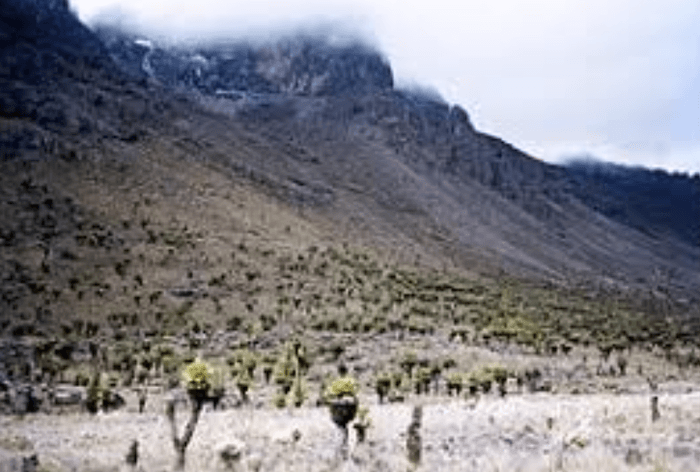
Unlike any other reserve in Kenya, Mt. Kenya National Park is home to a 5199m (17, 058 ft) mountain, the second-highest in Africa. Truly a vertical park, the excellent climbing here begins in a tropical bamboo forest, ascending to wooded terrain, and alpine moorland, finally capping out on a moonscape of glaciers, rock, and snow.
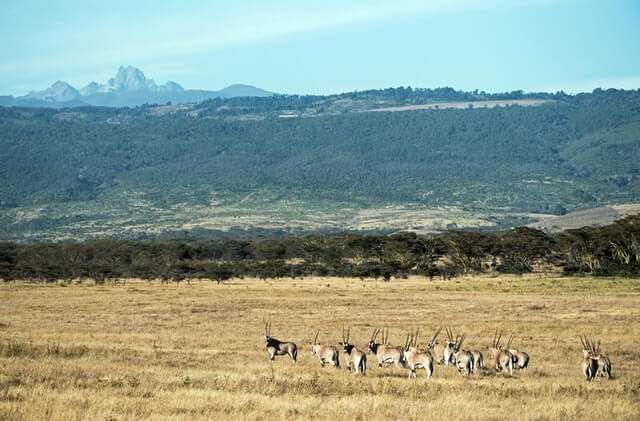
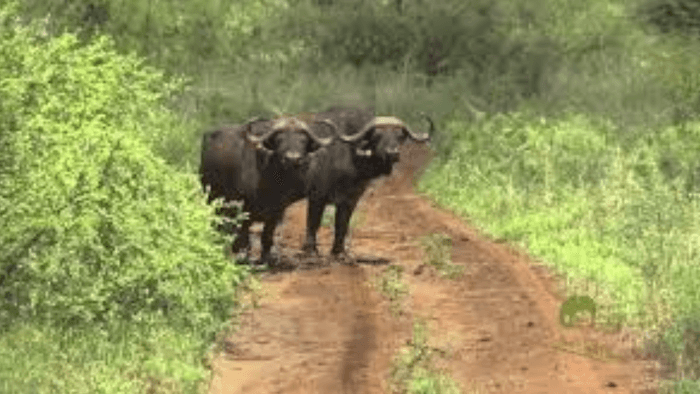
Along your route look for elephants, buffalos, monkeys, and antelope in the lowlands, then giant forest hogs as you ascend through the dense woods. Entering glacier country, you’ll pass mountain lakes and alpine vegetation as you summit toward one of Mt. Kenya’s three famous peaks.
A Most Unusual Park
Mt. Kenya Park defies expectations – situated near the equator this extinct volcano nevertheless is home to 12 high elevation glaciers. Perhaps the most beautiful mountain on the continent it was declared a UNESCO World Heritage Site in 1997.
Popular with climbers throughout the world, this towering massif offers vertical safari-goers a choice of seven routes to its summits. Of its three peaks, only Point Lenana 4985 m (16,354 ft) is accessible to novice climbers.
Start Your Climb
You’ll start your adventure amongst tropical bamboo, awash with the park’s colorful avian life such as sunbirds and eagles. But don’t be fooled by the serene forest before you – you will quickly climb to higher alpine meadows. It is recommended to spend several nights on the mountain to acclimate to its challenging elevation.
Reaching the icy fields of rock and snow you’ll push to the pinnacle and be rewarded with commanding vistas of the Kenya landscape below. And, of course, exclusive bragging rights that you conquered one of the world’s highest peaks.
Things to Do & See In Mount Kenya National Park
The Climb – Some climbers return to Mt. Kenya every year to challenge themselves and perhaps try a different peak. The two higher summits of Nelion 5188 m (17,021 ft) and Batian 5199 m (17,057 ft) require technical climbing skills. But novice climbers and trekkers can climb to Point Lenana 4985 m (16,354 ft) once acclimated to the high elevation.
Alpine camping – A high-altitude respite called Shipton’s Camp welcomes climbers just beneath the summit. You can rent a bunk in this alpine hut before attempting to bag your peak the next day.
Caving – Close to Shipton’s Camp, safari-goers will discover Shipton’s Caves – trying high-altitude caving to add still more excitement to your climb.
Highland Castle – This lava formation got its name for its castle-like appearance. You’ll find it on the Burguret Route at around 3700 m (12,139 ft). Scramble to the top of the Castle and catch the awesome views of Nelion and Batian peaks.
Community Projects
These reserve-based projects help the livelihoods of the nearby rural communities.
- Education for local students, including computer skills training
- Healthcare – providing medical supplies to the local health centers and mobile clinic
- Energy – providing hundreds of local families with energy-efficient stoves – reducing the need for firewood.
Ol Pejeta Eco-Facts
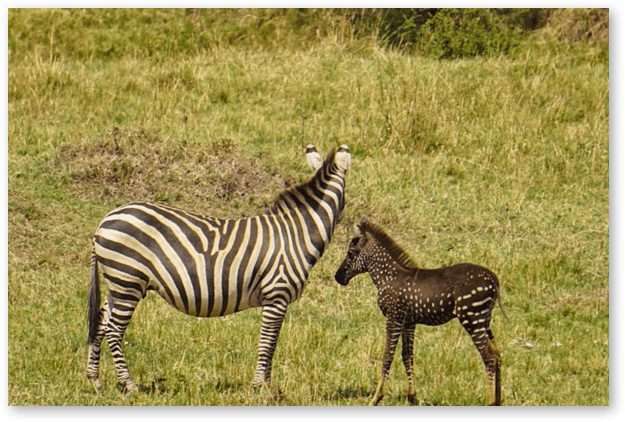
- Sanctuaries to protect endangered chimpanzees, oryx, hartebeest, Grevy’s zebra, and bat-eared fox
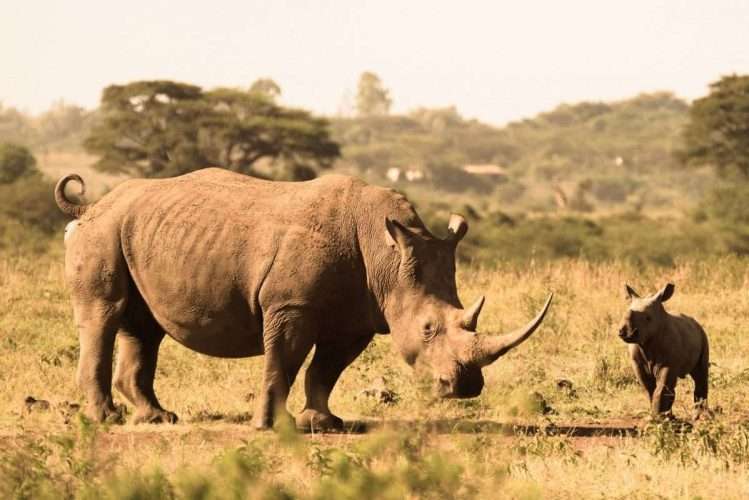
- Home to the world’s last remaining northern white rhinos
- The largest black rhino sanctuary in East Africa – the rhino population has increased by over 100 in the last 25 years.
Survey: Mt. Kenya National Park
The park encompasses Mt. Kenya in an area of 700 sq. km (270 sq mi). Unlike other reserves, this mountain park has vertical borders which start at 3200 m (11,000 ft) and extend to the highest of the three peaks at 5199m (17,057 ft).
Location: Mt. Kenya borders the equator and is 175 km (108 mi) from Nairobi.
Climate: This is a mountain park so the higher you climb, the cooler it gets. Night brings cooler temperatures at around 40C (390F). Also, rain is not unusual.
Best time to visit: The best climbing is when the trails are dry – January/February and August/September.
Getting there: You can Book a tour with Africa Kenya Safaris. And you’ll go in style – a specially outfitted 4 x 4 safari Jeep.
Mount Kenya & Mount Kenya National Park FAQ Guide
Mount Kenya and Mount Kenya National Park are key highlights of central Kenya, offering incredible wildlife, breathtaking landscapes, and world-class trekking opportunities. Whether you’re interested in summiting Africa’s second-highest peak or simply enjoying its diverse ecosystems, the park provides visitors with a range of experiences, from hiking to game viewing. Explore these FAQs to learn more about the best time to visit, park activities, and other essential details for planning your adventure in this UNESCO-listed natural wonder.
Where is Mount Kenya located?
Mount Kenya is located in central Kenya, approximately 150 kilometers (93 miles) north of Nairobi. As the second-highest mountain in Africa, it stands at 5,199 meters (17,057 feet) and is a UNESCO World Heritage Site. Its location makes it a popular destination for trekkers and mountaineers.
Mount Kenya’s Geographic Features
Mount Kenya is part of the Eastern Rift Valley and features several stunning glaciers, volcanic peaks, and diverse ecosystems. Its unique position provides a variety of habitats, from tropical forests to alpine meadows, home to numerous plant and animal species.
Accessibility and Activities at Mount Kenya
Mount Kenya is easily accessible from Nairobi, making it a great spot for hiking, climbing, and camping. Visitors can enjoy scenic routes such as the Sirimon, Naro Moru, and Chogoria trails.
How tall is Mount Kenya?
Mount Kenya stands at 5,199 meters (17,057 feet) above sea level, making it the second-highest mountain in Africa, after Mount Kilimanjaro. This majestic peak is a significant landmark and an ideal destination for climbers and trekkers looking to experience the diverse ecosystems and breathtaking views of central Kenya.
Mount Kenya’s Highest Peaks
The highest peak on Mount Kenya is Batian Peak, at 5,199 meters. Other notable peaks include Nelion and Point Lenana, the latter being a popular summit for trekkers.
The Mountain’s Geological Significance
Mount Kenya is an extinct stratovolcano, with its last eruption occurring about 2.6 million years ago. Its unique landscape includes glaciers, alpine meadows, and dense forests, contributing to its status as a UNESCO World Heritage Site.
Is Mount Kenya within Mount Kenya National Park?
Yes, Mount Kenya is located within Mount Kenya National Park, a UNESCO World Heritage Site. The park encompasses the mountain’s diverse ecosystems and serves as a protected area for wildlife and plant species, including several endangered species.
Mount Kenya National Park’s Scenic Features
The park offers a range of landscapes from lush rainforests at the base of the mountain to alpine meadows and glaciers near the summit. It is a popular destination for climbers and hikers.
Wildlife in Mount Kenya National Park
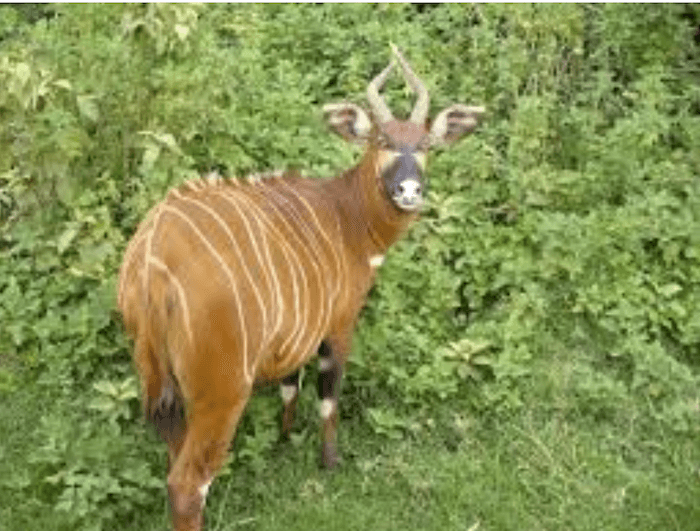
The park is home to various wildlife, such as elephants, buffaloes, and the rare bongo antelope, along with rich birdlife, making it an ideal spot for nature enthusiasts.
Mount Kenya is in which county?
Mount Kenya is located in Kirinyaga County, in central Kenya. The mountain’s national park spans across several counties, but the core of the park and the highest peaks are situated within Kirinyaga County.
Accessibility to Mount Kenya
The park is easily accessible from nearby towns like Nanyuki and Karatina, making it a popular destination for both local and international tourists.
Regional Significance
Mount Kenya, as the country’s highest peak, holds significant cultural and ecological importance, forming a critical part of the county’s tourism and conservation efforts.
When did Mount Kenya last erupt?
Mount Kenya last erupted approximately 2.6 million years ago, during the Pleistocene Epoch. This eruption formed the mountain’s distinct peaks and geological features, including the twin summits of Batian and Nelion.
Dormant Volcano
Since its last eruption, Mount Kenya has remained dormant. Its volcanic activity has subsided, leaving behind a rich array of ecosystems and diverse wildlife that thrive within the Mount Kenya National Park.
Geological Significance
The mountain’s geological history is key to understanding the region’s landscape, contributing to its designation as a UNESCO World Heritage Site due to its unique volcanic and ecological importance.
How was Mount Kenya formed?
Mount Kenya was formed by volcanic activity over 3 million years ago. It was originally a massive stratovolcano that erupted multiple times, creating the mountain’s towering peaks. The volcanic eruptions eventually subsided, leaving behind the dramatic landscape seen today.
Formation Through Eruptions
The eruptions built up layers of lava and ash, creating the mountain’s cone-shaped structure. Over time, glaciers carved through the volcanic rock, shaping the sharp peaks of Batian and Nelion.
Geologic History
Today, Mount Kenya remains a dormant volcano, but its past eruptions have shaped its geological features, including its diverse ecosystems and rich flora.
How long does it take to climb Mount Kenya?
Climbing Mount Kenya typically takes between 4 to 6 days, depending on the route and the climber’s experience. The climb involves ascending through various habitats, from tropical forest to alpine meadows, culminating in a challenging summit attempt.
Climbing Routes and Duration
There are several popular routes to the summit, such as the Sirimon, Naro Moru, and Chogoria routes, each offering different experiences and varying lengths of time.
Best Time for a Mount Kenya Climb
The ideal time for a climb is during the dry months of January to February or July to October, ensuring better conditions and more manageable weather.
Who discovered Mount Kenya?
Mount Kenya was first discovered by a European explorer, Joseph Thomson, in 1883. He was the first recorded person to identify the mountain’s towering peaks, though it was well known to local communities long before this.
Early Exploration of Mount Kenya
Joseph Thomson’s discovery was part of his expedition across East Africa. He reached the mountain while traveling through what is now Kenya and was amazed by its height and beauty.
Significance to Local Communities
Mount Kenya, known as “Kere Nyaga” in Kikuyu, had long been revered by local communities, including the Kikuyu people, who viewed it as a sacred place. The mountain’s spiritual significance predates European exploration.
Who was the first person to climb Mount Kenya?
The first person to successfully climb Mount Kenya was Halford Mackinder, a British geographer and mountaineer, in 1899. He led an expedition to the summit of Batian Peak, the highest point on the mountain.
Halford Mackinder’s Expedition
Mackinder’s climb was significant not only because he reached the summit but also because he opened the mountain to further exploration. His successful ascent of Batian Peak paved the way for future climbers to attempt the challenging terrain of Mount Kenya.
Legacy of Mount Kenya Climbing
Since Mackinder’s climb, Mount Kenya has become a popular destination for mountaineers and adventurers, drawing people from around the world to challenge its rocky peaks and alpine environment.
How old is Mount Kenya?
Mount Kenya is approximately 3 million years old. It was formed by volcanic activity during the Pleistocene era, which occurred between 2.6 million and 12,000 years ago.
Volcanic Origins
The mountain’s origins can be traced back to a series of volcanic eruptions, which eventually led to the formation of the peaks that rise to 5,199 meters above sea level. Over time, glaciation has also shaped its landscape, leaving behind stunning valleys and ridges.
Geologic Evolution
Mount Kenya’s age is also reflected in its diverse geological formations, with remnants of ancient volcanic rocks and the erosion patterns visible across its slopes. These features make it a unique destination for geologists and adventurers alike.
How far is Mount Kenya from Nairobi?
Mount Kenya is located approximately 150 kilometers (93 miles) northeast of Nairobi, making it a convenient destination for travelers looking to explore Kenya’s majestic landscapes. The drive from Nairobi to the base of Mount Kenya typically takes around 3 to 4 hours, depending on traffic and road conditions.
Easy Access from Nairobi
Mount Kenya’s proximity to Nairobi makes it easily accessible for both day trips and longer excursions. Many tour companies offer guided safaris and trekking expeditions from Nairobi, allowing visitors to experience this iconic mountain and its diverse wildlife.
Scenic Route to the Mountain
The journey to Mount Kenya offers scenic views of the lush landscapes, picturesque towns, and stunning panoramas of the Kenyan countryside. The route offers a taste of Kenya’s natural beauty, and for many travelers, the drive itself is a memorable part of the adventure.
Does Mount Kenya have snow?
Yes, Mount Kenya does have snow, but it is mostly found on its higher peaks, particularly on the ice-capped summits of Batian and Nelion. However, the snow is rapidly disappearing due to climate change.
Snow on Mount Kenya’s Peaks
The snow on Mount Kenya, which once covered much of the mountain, is now restricted to the highest altitudes above 4,500 meters. These snow-capped peaks are often the highlight for climbers and trekkers attempting to reach the summit.
Impact of Climate Change on Mount Kenya’s Snow
Over the years, the snow on Mount Kenya has significantly reduced in size, with some experts predicting that the glaciers could vanish entirely in the near future. This loss highlights the impact of global warming on Kenya’s mountain ecosystems.
What animals are in Mount Kenya National Park?
Mount Kenya National Park is home to a wide range of animals, including elephants, buffalo, leopards, and various antelope species. It also hosts over 200 bird species, making it a haven for wildlife enthusiasts.
Mammals in Mount Kenya National Park
In addition to elephants and buffalo, Mount Kenya’s forests and moorlands are home to rare species like the bongo, an endangered forest antelope, and the white-tailed mongoose. The park is a vital sanctuary for many of Kenya’s endangered species.
Birdlife in Mount Kenya National Park
The park’s diverse habitats support an impressive array of bird species, including the endangered Abbott’s starling and the giant kingfisher. Birdwatchers will be captivated by the wide variety of endemic and migratory birds found here.
What are the best things to do in Mount Kenya National Park?
The best things to do in Mount Kenya National Park include hiking, wildlife viewing, and exploring its diverse ecosystems. Visitors can enjoy breathtaking landscapes, from dense forests to alpine meadows, while spotting various wildlife.
Hiking and Climbing Adventures
Mount Kenya offers an array of trails for all skill levels, from easier walks through its lower slopes to challenging climbs up to the summit. The Sirimon and Naro Moru routes are popular for reaching the peak, offering stunning views and varied terrain.
Wildlife and Birdwatching
The park is home to a rich diversity of wildlife. Safaris and guided walks provide opportunities to spot elephants, buffalo, leopards, and unique bird species such as the white-starred robin and giant kingfisher.
How big is Mount Kenya National Park?
Mount Kenya National Park spans approximately 715 square kilometers (275 square miles). It covers a significant portion of Mount Kenya, offering visitors access to diverse ecosystems and landscapes.
Expansive Wilderness
The park’s expansive size includes montane forests, alpine meadows, and glaciers, making it a prime destination for nature lovers. Its vast expanse allows for varied activities, from hiking and climbing to wildlife observation.
Biodiversity Hotspot
The park’s large area supports a variety of wildlife, including elephants, buffaloes, and rare bird species. This biodiversity is one of the reasons the park is recognized as a UNESCO World Heritage site.
Where is Mount Kenya National Park located?
Mount Kenya National Park is located in central Kenya, about 150 kilometers (93 miles) north of Nairobi. It sits around Mount Kenya, the country’s second-highest peak, and covers parts of Kirinyaga, Nyeri, and Meru counties.
Central Kenya’s Natural Wonder
The park lies strategically between the towns of Nanyuki and Nyeri, making it easily accessible for travelers visiting from Nairobi. It is a key destination for trekkers and nature enthusiasts alike.
Proximity to Other Attractions
Its location places it near the Aberdare Ranges and Samburu National Reserve, allowing visitors to explore a broader variety of Kenyan landscapes during their stay.
This is Mt. Kenya Park
Trekking this vertical park is like three safaris in one, as you ascend from tropics to alpine meadows to an icy moonscape. Along the way, you’ll discover natural wildlife and vegetation at each level to mark your increasing elevation above the world.
Choose Your East Africa Safari Tour
Our Africa Safaris in Kenya, Tanzania & Zanzibar
Check out our many East Africa safari tours:

NAIROBI EXCURSIONS
Africa Kenya Safaris offers you full and half-day excursions & trips from Nairobi
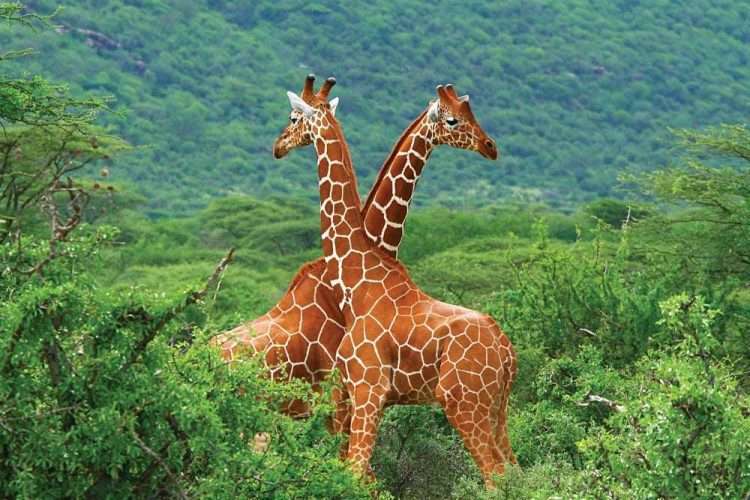
KENYA SAFARI FROM NAIROBI
Explore our multi-day Kenya safari adventures ranging from 2 – 12 days from Nairobi.
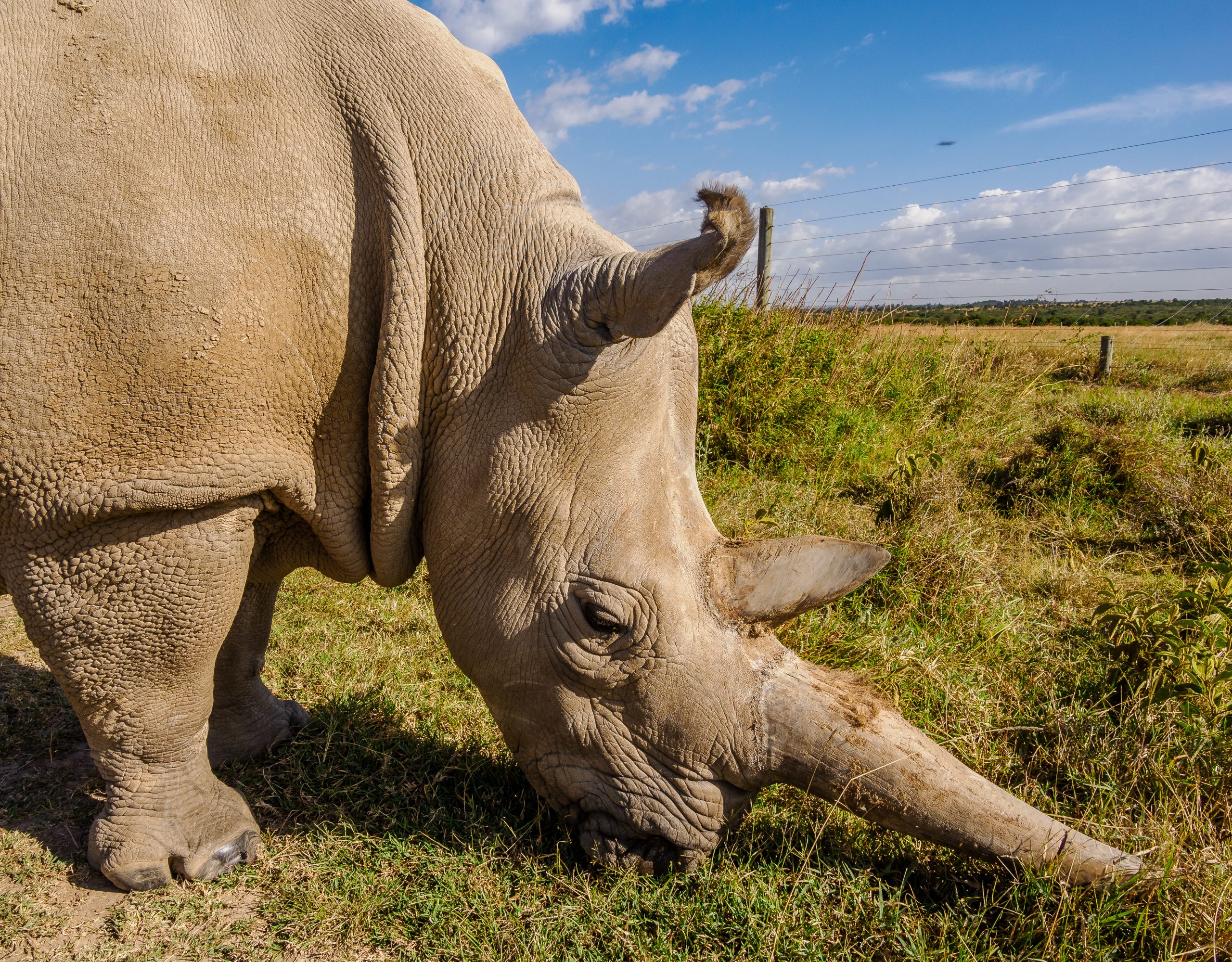
NAIROBI TO DIANI BEACH SAFARIS
Enjoy a Kenya wildlife safari then finish up your holiday at Kenya’s Diani Beach.
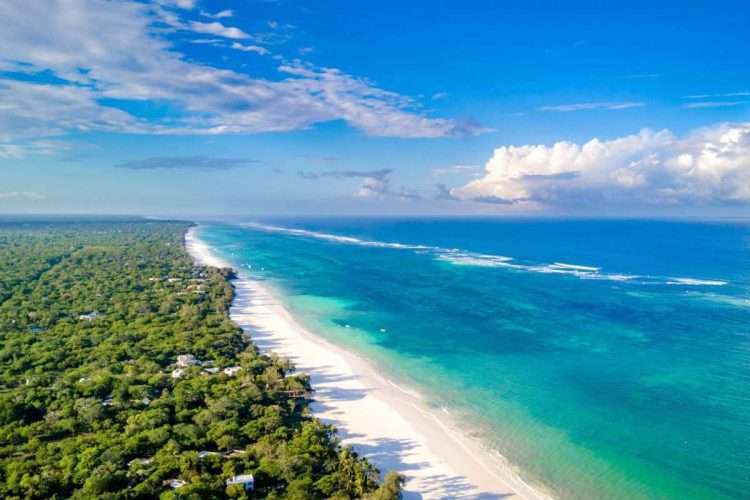
DIANI BEACH KENYA SAFARIS
Explore our Kenya safaris from beach resorts of Diani – voted Africa’s leading beach destination
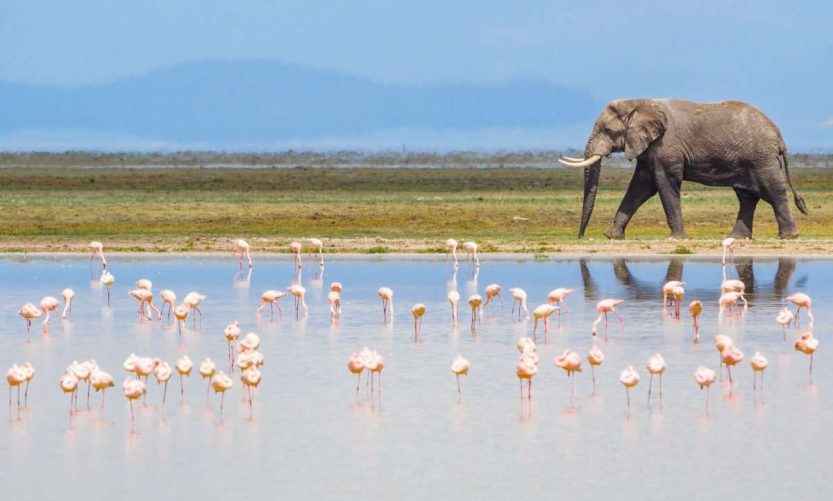
AMBOSELI KENYA SAFARIS
Explore Amboseli – famous for large herds of elephants and scenic views of Mount Kilimanjaro
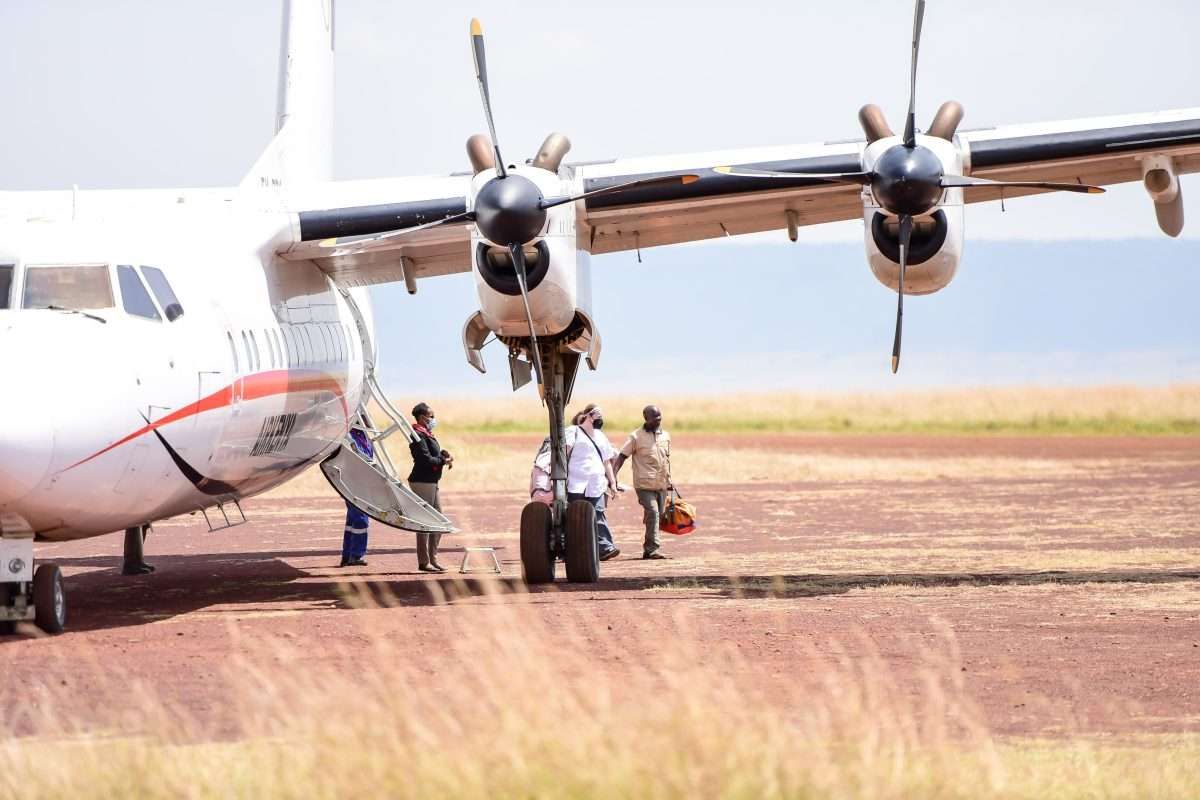
KENYA FLIGHT SAFARIS
Book Kenya flight Safaris and explore Masai Mara, Amboseli, Samburu & Lewa Conservancy.
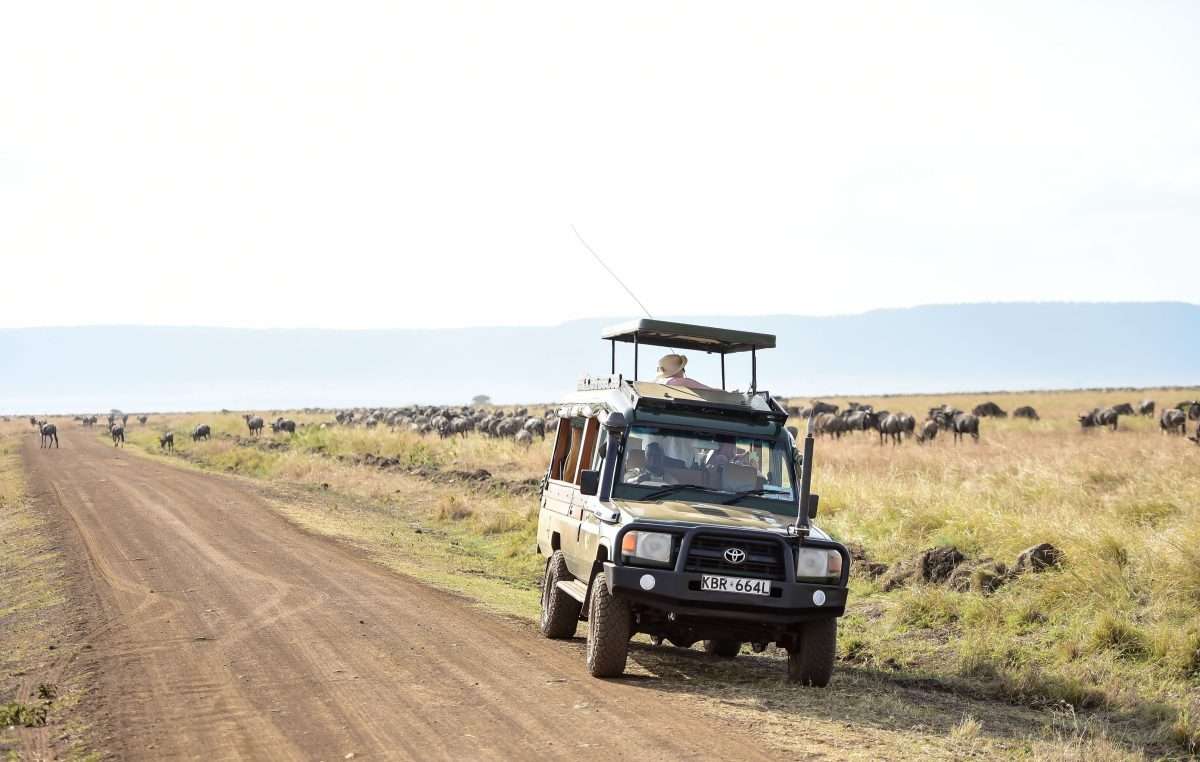
MASAI MARA KENYA SAFARIS
Masai Mara is home of the Great Wildebeest Migration, Big Five of Africa, Big cats, Masai culture etc.
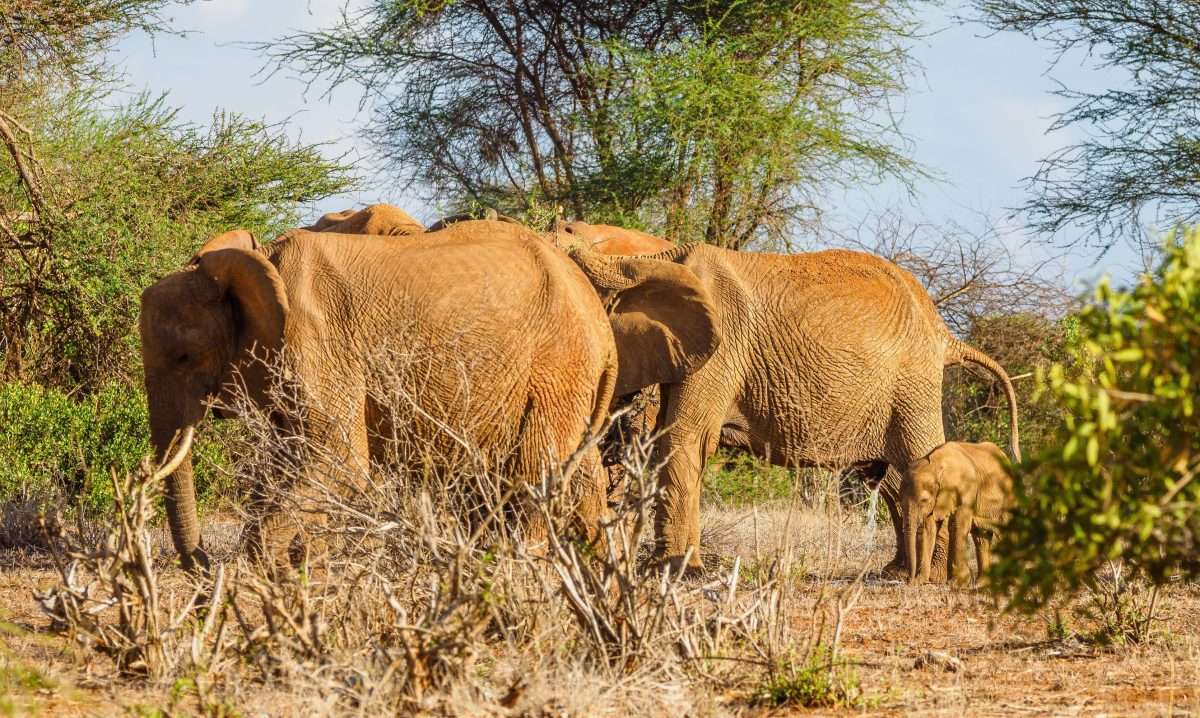
KENYA BEACH TO NAIROBI SAFARIS
Book Exciting African safaris starting from/to the beautiful Diani beach resorts
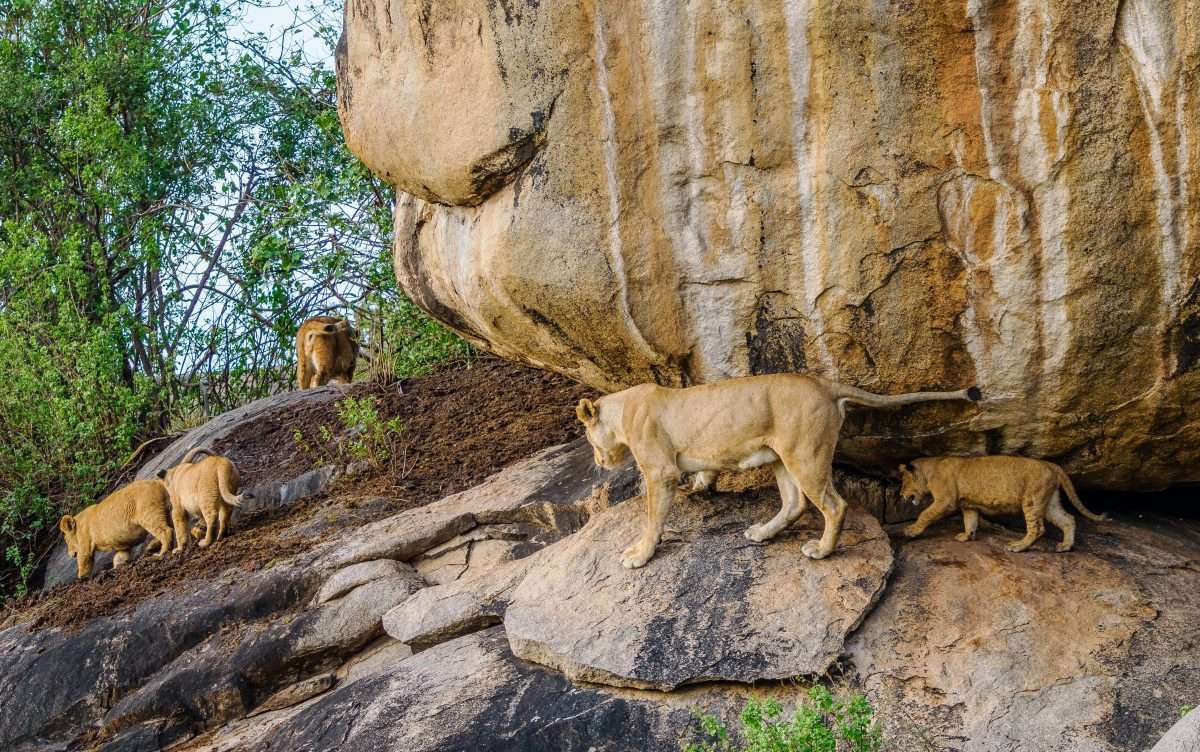
KENYA-TANZANIA SAFARIS
Experience wildlife parks, beaches and mountains of Kenya & Tanzania.

KENYA SAFARI & DIANI BEACH
Experience the best of both worlds – a thrilling Kenya safari and a dream Diani beach vacation

KENYA SHORT GROUP SAFARIS
Join our exciting Kenya short Group safari Tours from Nairobi in 4×4 safari jeeps
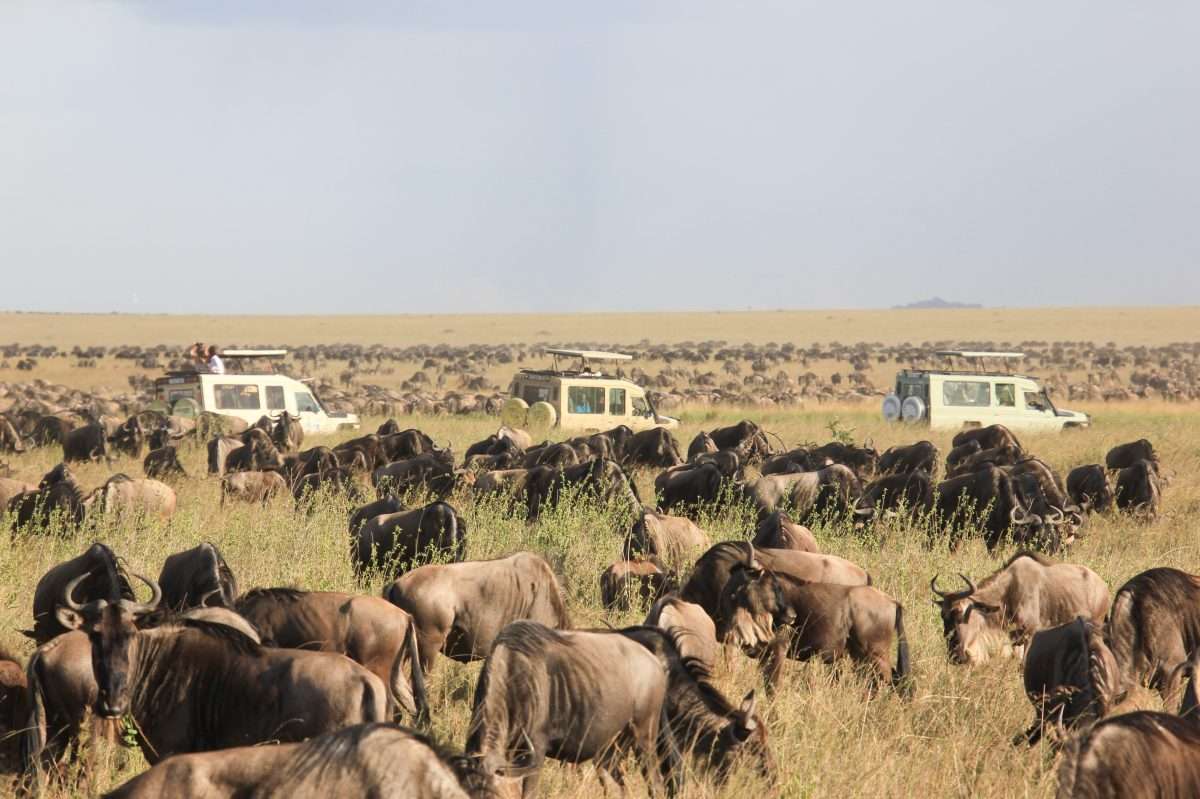
TANZANIA SAFARI HOLIDAYS
Exciting 4×4 Tanzania safaris from Arusha town. Explore Serengeti, Ngorongoro, Manyara & Tarangire.
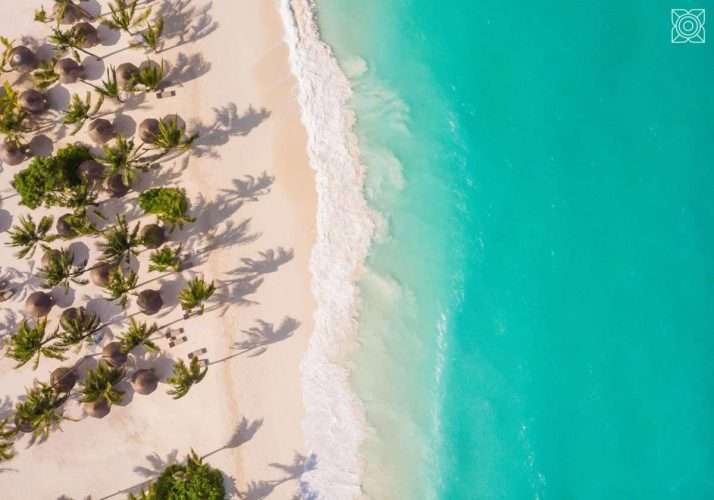
ZANZIBAR BEACH HOLIDAYS
Pre/post your African safari holiday in Kenya & Tanzania, ‘escape’ to Africa’s leading beach destination – Zanzibar!
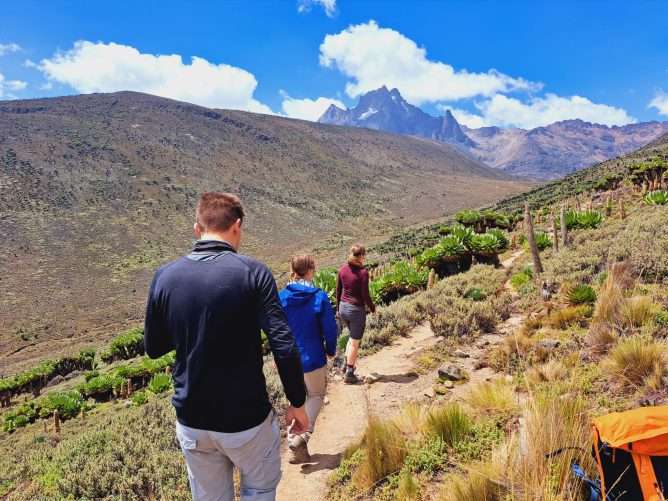
MOUNTAIN CLIMBING TOURS
Best Africa mountain climbing adventure tour packages and safaris. Climb Mount Kenya and Mount Kilimanjaro

EAST AFRICA BEACH HOLIDAYS
Best family-friendly beach holidays on the sandy beaches of Mombasa, Diani, Malindi, Watamu, Lamu & Zanzibar
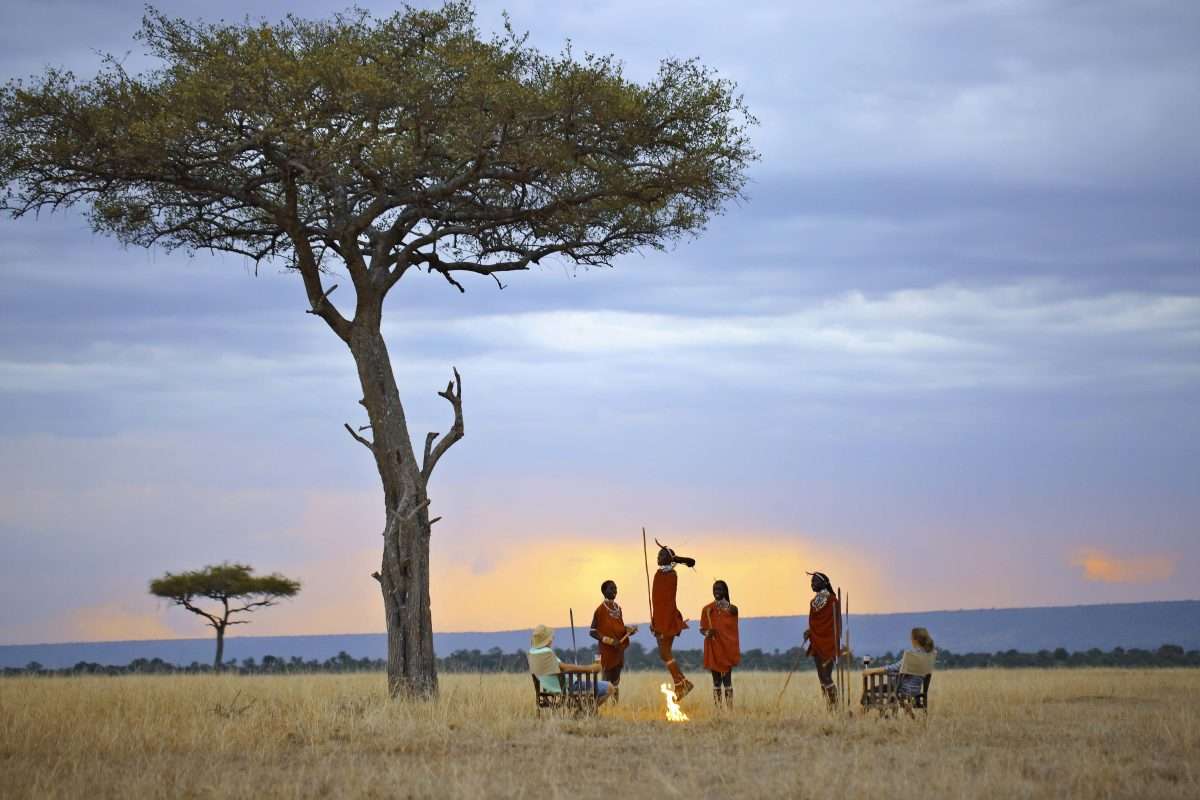
HOLIDAY EXPERIENCES
You came to Africa to live an experience – to see the Big 5, Big cats, wildebeest migration & so much more!

Customize your dream African safari
At Africa Kenya Safaris we are always flexible with your options, we will offer our thoughts on seasons, budgets, lifestyle, accommodations, first-hand experience of the parks, and all the possible activities to fill out your safari story. We’ll work with your impressions and dreams and add our ideas on which to build your adventure.
