
MERU NATIONAL PARK
A Revitalized Wonderland
Introducing Meru National Park in Kenya
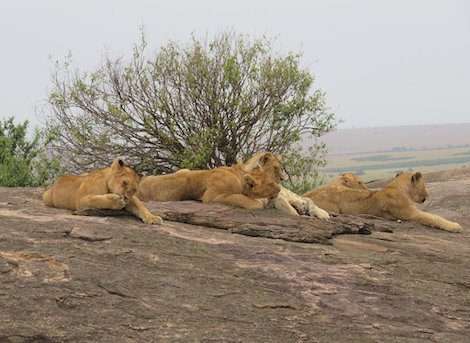
This is the turnabout story of a once vital park falling into ruin and neglect, and then improbably rising from the dead. This out-of-the-way park has once again become a thriving reserve filled with roaming lion, elephant, cheetah, crocodile, hippo, and especially buffalo and rhino. Meru National Park has been reborn as an unspoiled expanse of acacia woodland and tall grass savannah practically devoid of tourists. Your safari here will echo an Africa of long ago – just you alone with the wildlife.
This legendary park holds tales of another Africa – it’s where Joy and George Adamson brought Elsa the lioness of “Born Free” fame to be set loose in the wilds. Here too, safari-goers can visit Elsa’s grave in a remote area on the park’s southern border.
Hundreds of bird species, the greatest herd of buffalo in Kenya, and one of the largest numbers of rhinos make Meru a must see. What Meru lacks in tourist traffic, it more than makes up for with its bountiful wildlife.
A Park Reborn
If you visited Meru in the 1970s or 80s it would be hard to imagine the 40,000 yearly visitors who used to flock to the popular park. But neglect and heavy poaching decimated most of the Meru’s larger wildlife. Almost all its elephants were killed as were more than 80% of its rhinos.
Fortunately, in 2000 the Kenya Wildlife Service and the International Fund for Animal Welfare stepped in and reversed the park’s fortunes. A large force of anti-poaching rangers flooded the reserve with a mandate to protect the wildlife. The park’s infrastructure was revitalized and so began a return to restore Meru to its former glory.
The Park Within a Park
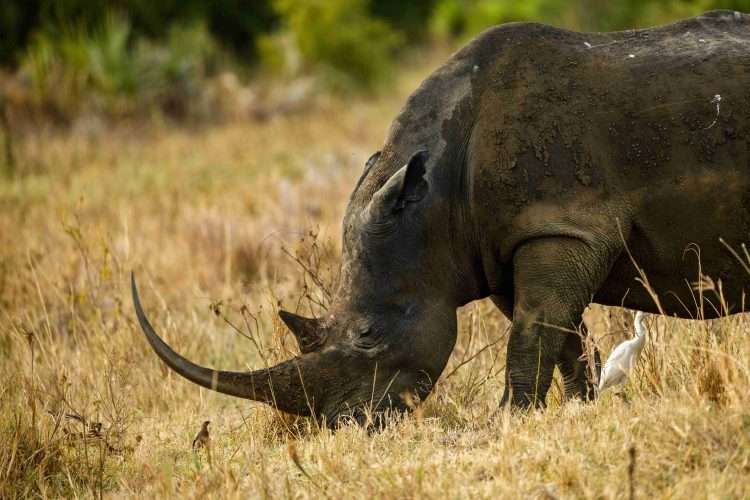
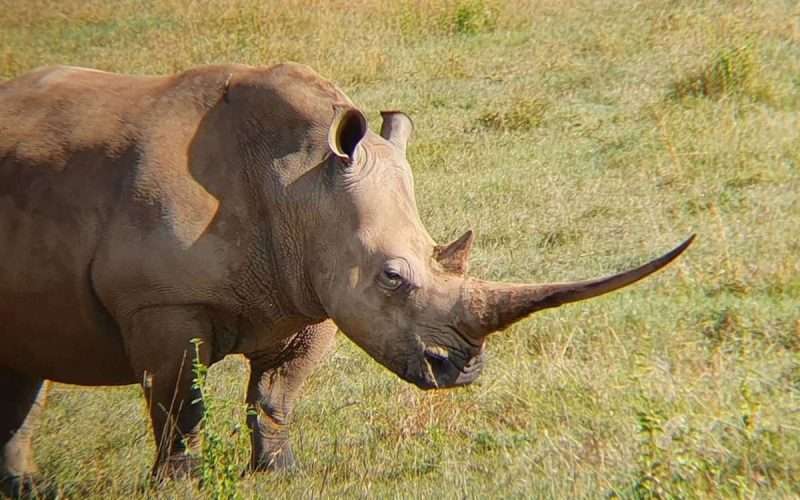
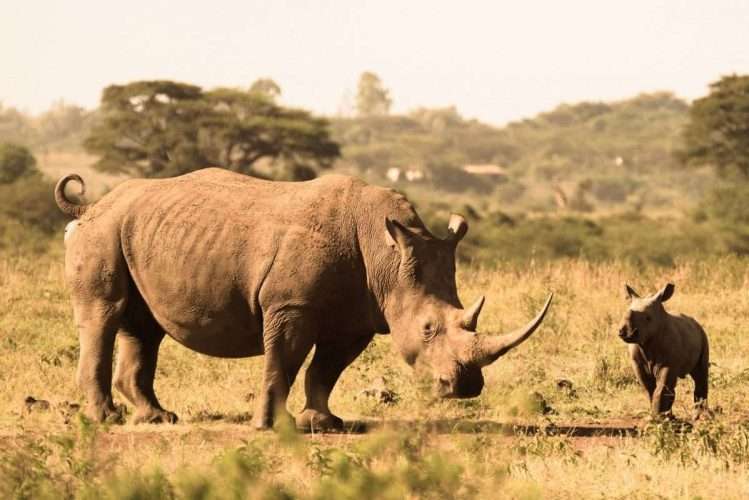
The rhinos are thriving at Meru because of an innovative rhino sanctuary – literally a park within the park. This 80 sq km (30 sq mi) reserve is a secure area that allows smaller animals to freely pass through but keeps the rhinos safe, protected, and monitored by the rangers. The 60 white and 20 black rhinos are thriving as their numbers continue to increase. Though the big brutes are shy, you should be able to get close enough for some memorable photos.
The Maasai
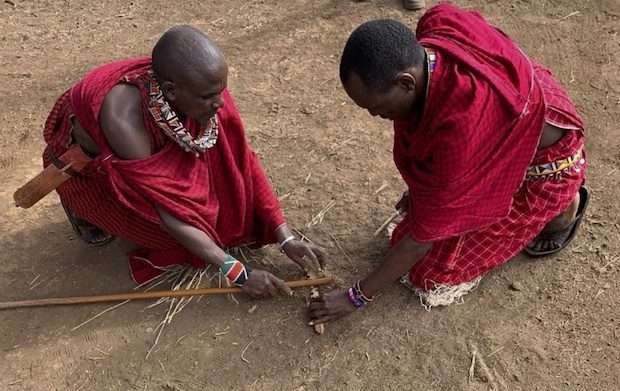
Sharing this land flocked with distinctive acacia trees are the Maasai people, nomadic herders from whom the park takes its name. They construct traditional villages surrounding the reserve and live as they have for eons, herding their cattle and pushing back at an ever-encroaching modern world.
Known for their brightly colored shukas and deft beadwork, the Maasai are a living link to a past that stretches back beyond colonial Africa, to an era when the entire continent was wild and untouched.
Grasslands
Open bush
Dense bush
Riverine Forest
Swamps
Don’t Miss…
Riverland – Thirteen rivers and numerous streams course the woods and savannahs of Meru Park. The rich wetlands have been described as jungle-like with doum palms dotting the riverbanks.
Rojewero – This is a good viewpoint for spotting the birdlife such as ostrich, guineafowl, and red-necked falcon along the riverine forest. Look also for hippo and crocodile.
The Rhino Sanctuary – Home to dozens of endangered black and white rhinos, you’ll be able to spot them in a natural setting.
Elsa the Lioness – Meru was the final home of Elsa the Lioness, internationally known from the book and movie, “Born Free”. Here she was set free to live out her life as the Adamsons intended. You can visit her grave in a remote area at the park’s southern border.
Mount Kenya – Africa’s second-highest peak borders the park and views of its snow-capped summit are an accessible treat.
Community Projects
These reserve-based projects help the livelihoods of the nearby rural communities.
- Education for local students, including computer skills training
- Healthcare – providing medical supplies to the local health centers and mobile clinic
- Energy – providing hundreds of local families with energy-efficient stoves – reducing the need for firewood.
Meru Facts
With its acacia woodland, marshes, and riverine forest, Meru Park is especially beautiful. It stretches 870 sq km (340 sq mi), at an elevation of 1,036 m (3,400 ft).
Location: North of Mt. Kenya, Meru is 350 km (220 mi) from Nairobi.
Climate: The park is warm and can be wet. Expect daytime temperatures of 320C (900F). The wet season from November to May will bring in the heaviest rains.
Best time to visit: The park is open year-round, but the best animal spotting is during the dry season from June through September.
Getting there: You can Book a tour with Africa Kenya Safaris. And you’ll go in style – a specially outfitted 4 x 4 safari Jeep.
FAQ – Discover More Facts About Meru National Park
Meru National Park is a captivating blend of history, wildlife, and pristine landscapes, making it a must-visit destination for nature enthusiasts. From its fame as the setting for Born Free and the home of Elsa the lioness to its rich biodiversity and conservation triumphs, the park offers incredible safari experiences. In this FAQ section, explore answers to your most pressing questions about Meru National Park—its attractions, history, wildlife, and more, curated to help you plan your perfect African adventure with Africa Kenya Safaris.
What are the best things to do in Meru National Park?
Meru National Park offers exceptional safari experiences with highlights like wildlife game drives, birdwatching, and visits to unique conservation projects such as the rhino sanctuary. Visitors can explore the park’s diverse landscapes, from lush riverine forests to open savannahs teeming with wildlife, including elephants, lions, and rare species like Grevy’s zebra and reticulated giraffe.
Experience Iconic Wildlife Safaris
Embark on morning or evening game drives to encounter the “Big Five” and other incredible animals in their natural habitat. The park’s unspoiled wilderness ensures intimate wildlife viewing away from crowds, allowing you to connect with nature’s tranquility.
Discover Rhinos and Birdlife
Visit the park’s rhino sanctuary, home to a thriving population of black and white rhinos. For bird enthusiasts, Meru is a paradise with over 400 recorded species, including kingfishers, sunbirds, and storks that thrive along the many rivers and streams crisscrossing the park.
When is the best time to visit Meru National Park?
The best time to visit Meru National Park is during the dry seasons from June to October and January to February. Wildlife is easier to spot as animals gather around water sources, and the dry conditions ensure better road access for safaris.
Dry Season Highlights
The dry months offer exceptional game viewing, with elephants, lions, and other wildlife frequently seen near rivers. Clear skies and open terrains make this the prime period for safari adventures and photography.
Green Season for Birdwatching
The wet months, particularly November to May, transform the park into a lush green paradise. While some roads may be challenging, bird enthusiasts can enjoy the peak of avian activity, including migratory species, in this vibrant landscape.
Where is Meru National Park located?
Meru National Park is located in eastern Kenya, near the equator, about 350 kilometers (217 miles) northeast of Nairobi. It lies in the Meru County region, bordered by the Tana River to the south and rising plains to the north.
Proximity to Major Landmarks
Meru National Park is easily accessed from Nairobi via road or air, with flights landing at nearby airstrips. It is part of a cluster of parks, including Kora National Park, offering an expansive conservation area for exploration.
The Unique Location of Meru
Nestled between diverse landscapes, Meru boasts verdant swamps, rivers, and open savannahs. Its location near the Nyambene Hills creates a unique ecological transition zone, attracting abundant wildlife and showcasing Kenya’s natural diversity.
What are the best animals to see in Meru National Park?
Meru National Park is home to iconic African wildlife, including lions, cheetahs, elephants, and a thriving population of rhinos in its protected sanctuary. It is one of the best places to see the “Big Five” alongside unique species like the Grevy’s zebra and reticulated giraffe.
The Big Five and Rhinos
Meru is renowned for its rhino sanctuary, where visitors can view both black and white rhinos in a safe but natural setting. These majestic creatures share the park with elephants, lions, and elusive leopards, offering an unmatched safari experience.
Rare and Unique Species
The park is also famous for its unique northern species, such as Grevy’s zebra, Somali ostrich, and reticulated giraffe. Bird enthusiasts will enjoy the over 400 bird species, including kingfishers and sunbirds, making Meru a haven for diverse wildlife viewing.
What are the top Meru tourist attractions?
The top attractions in Meru National Park include the Rhino Sanctuary, Adamson’s Falls, and Elsa’s Kopje, each offering unique insights into wildlife, landscapes, and conservation history. Visitors can also explore its vast savannahs, rivers, and the famed habitats of “Born Free” lioness Elsa.
The Rhino Sanctuary and Conservation Gems
Meru’s Rhino Sanctuary is a highlight, protecting black and white rhinos in a thriving ecosystem. Nearby, Adamson’s Falls adds natural beauty and is perfect for birdwatching.
Elsa’s Legacy and Scenic Landscapes
Elsa’s Kopje celebrates the legacy of conservationist George Adamson. The breathtaking views of the park’s rivers, savannahs, and wildlife make this an unmissable destination.
Is Meru National Park a good safari destination?
Meru National Park is an exceptional safari destination, offering abundant wildlife, diverse landscapes, and a sense of exclusivity due to fewer crowds. With its Big Five animals, thriving rhino sanctuary, and historical ties to “Born Free” lioness Elsa, it appeals to nature lovers and history enthusiasts alike.
Unique Wildlife Experiences
Meru is a haven for wildlife, hosting lions, elephants, cheetahs, and more. The park’s rhino sanctuary offers a rare chance to see black and white rhinos in their natural habitat.
Scenic Beauty and Adventure
From lush riverine forests to open savannahs and dramatic waterfalls, Meru’s scenery is breathtaking. The park also offers exciting activities like guided game drives, birdwatching, and visiting landmarks like Elsa’s Kopje.
How big is Meru National Park?
Meru National Park spans an impressive 870 square kilometers (about 340 square miles), offering a vast wilderness teeming with diverse ecosystems, wildlife, and scenic beauty. Its size and variety make it a must-visit destination for an immersive safari experience.
Expansive and Diverse Ecosystems
The park’s size accommodates an incredible range of habitats, from riverine forests and savannah grasslands to swamps and thorny bushland. This diversity supports abundant wildlife, making every safari feel unique and adventurous.
Ideal for Exclusive Safaris
Meru’s vast area means fewer visitors, creating a sense of solitude and exclusivity. This allows for more personal encounters with wildlife, making it perfect for those seeking a peaceful yet thrilling safari.
What is the history of Meru National Park?
Meru National Park was established in 1966 to protect its rich biodiversity and stunning landscapes. It gained fame as the home of Elsa the lioness, made famous by the book and film Born Free, based on the conservation work of George and Joy Adamson.
Early Conservation Efforts and Wildlife Rehabilitation
Initially created to safeguard its unique ecosystems and endangered species, Meru National Park played a pivotal role in early wildlife conservation. The Adamsons’ work here highlighted the importance of coexistence between humans and wildlife, sparking global awareness of Kenya’s conservation needs.
Revival and Modern Conservation
By the 1980s, Meru faced challenges from poaching, which threatened its wildlife. However, extensive rehabilitation efforts in the 2000s revitalized the park, restoring its ecological balance. Today, it thrives as a premier safari destination, showcasing Kenya’s commitment to preserving its natural heritage.
What happened to Elsa the lion from Born Free?
Elsa the lion from Born Free was successfully rehabilitated into the wild after being raised by Joy and George Adamson in Kenya. Tragically, Elsa died in 1961 from a disease likely contracted from a tick bite, and she is now buried in a grave in Meru National Park. Her life, captured in the book and film Born Free, became a symbol of wildlife conservation and the challenges of reintroducing captive animals back into their natural habitats. Her story continues to inspire conservation efforts globally.
Elsa’s Rehabilitation and Return to the Wild
Elsa’s transition from captivity to the wild was an extraordinary success, making her one of the first lions to be reintroduced to the wild after being raised in captivity. Under the care of the Adamsons, Elsa was taught to hunt and fend for herself in the wild.
Elsa’s Legacy in Wildlife Conservation
Elsa’s story raised global awareness about the complexities of wildlife conservation, particularly the challenges involved in rehabilitating animals for release into their natural environments. Her legacy lives on through the continued work of the George and Joy Adamson Wildlife Trust.
This is Meru Park
Once more a beautiful park, Meru is waiting for you with its abundant birdlife plus lots of small and large wildlife. The fact that you’ll feel like you have the place to yourself will just make your safari that much more special.
Choose Your East Africa Safari Tour
Our Africa Safaris in Kenya, Tanzania & Zanzibar
Check out our many East Africa safari tours:

NAIROBI EXCURSIONS
Africa Kenya Safaris offers you full and half-day excursions & trips from Nairobi
KENYA SAFARI FROM NAIROBI
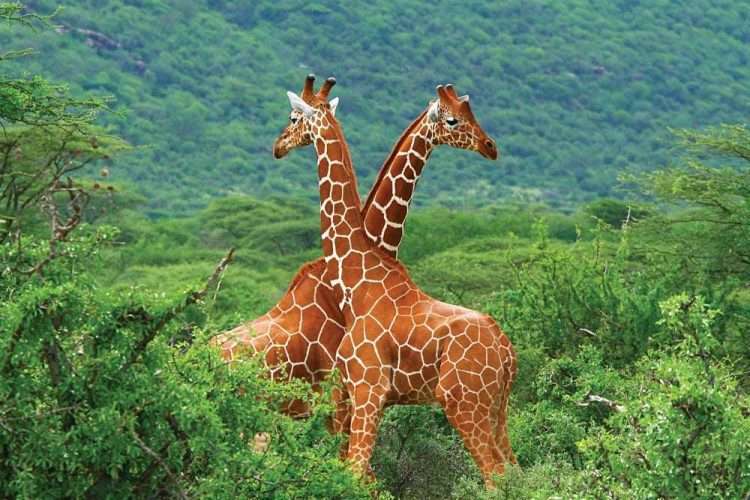
Explore our multi-day Kenya safari adventures ranging from 2 – 12 days from Nairobi.
NAIROBI TO DIANI BEACH SAFARIS
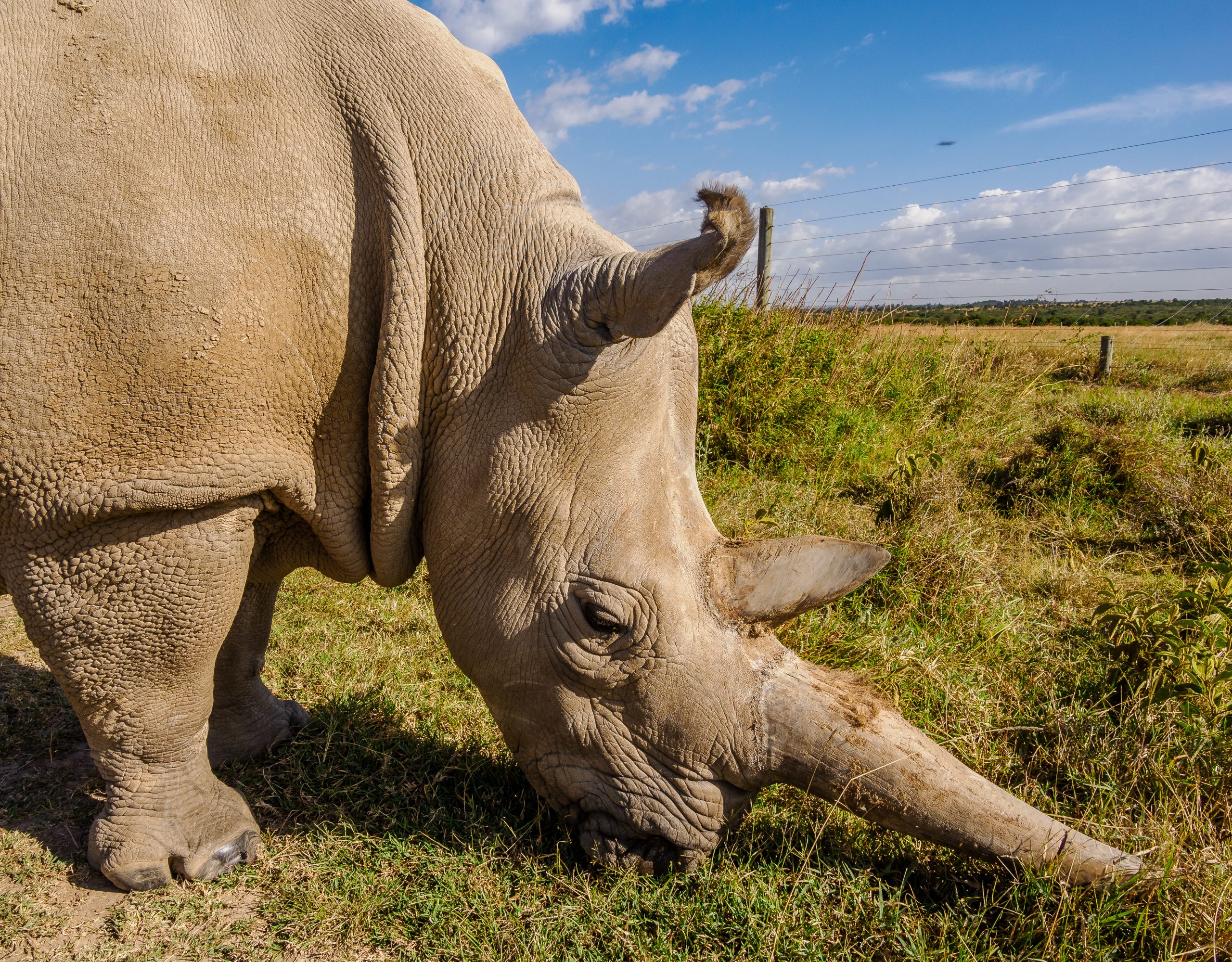
Enjoy a Kenya wildlife safari then finish up your holiday at Kenya’s Diani Beach.
DIANI BEACH KENYA SAFARIS
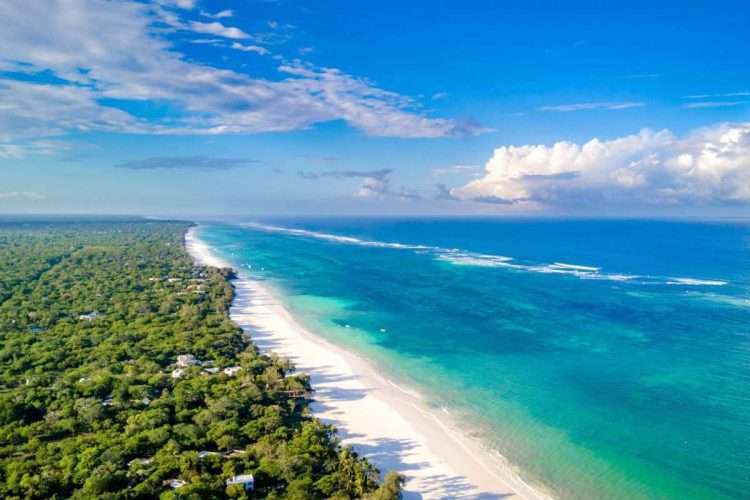
Explore our Kenya safaris from beach resorts of Diani – voted Africa’s leading beach destination
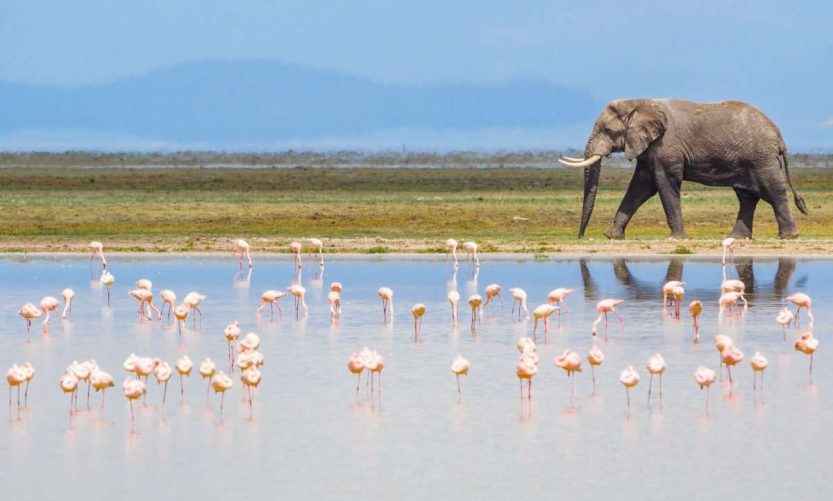
AMBOSELI KENYA SAFARIS
Explore Amboseli – famous for large herds of elephants and scenic views of Mount Kilimanjaro
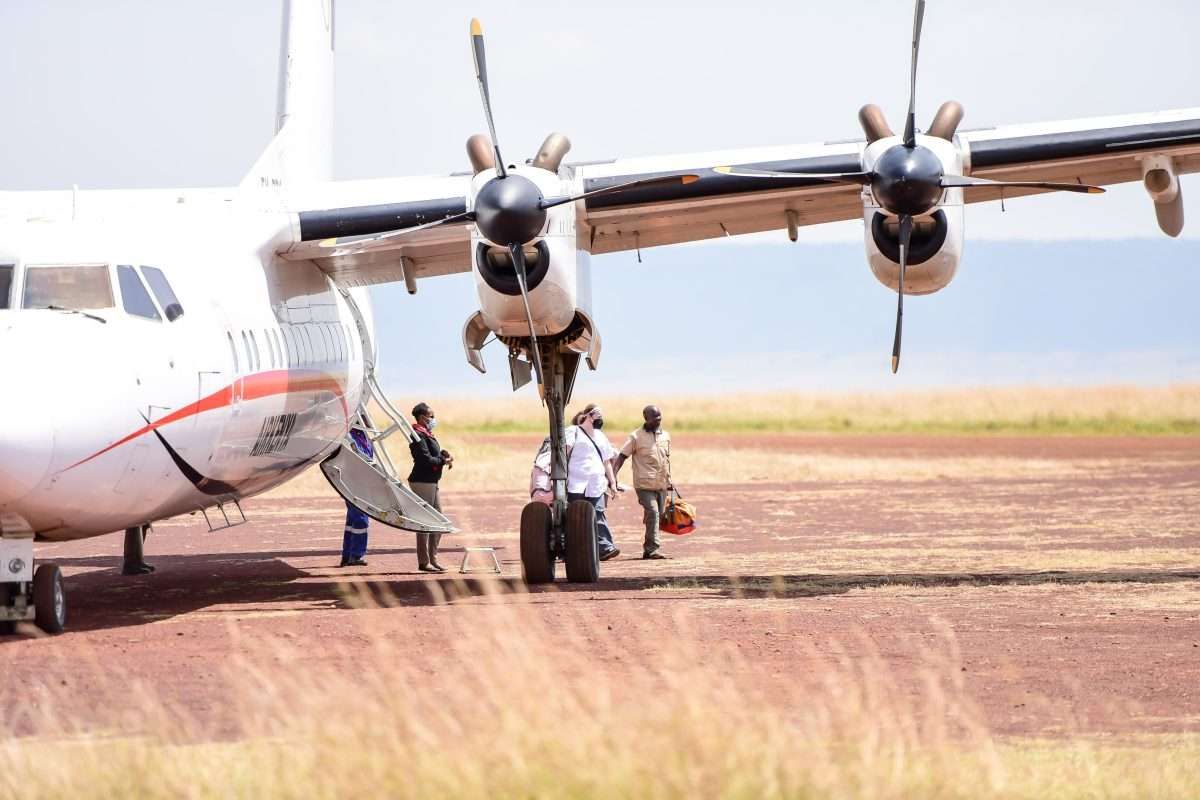
KENYA FLIGHT SAFARIS
Book Kenya flight Safaris and explore Masai Mara, Amboseli, Samburu & Lewa Conservancy.
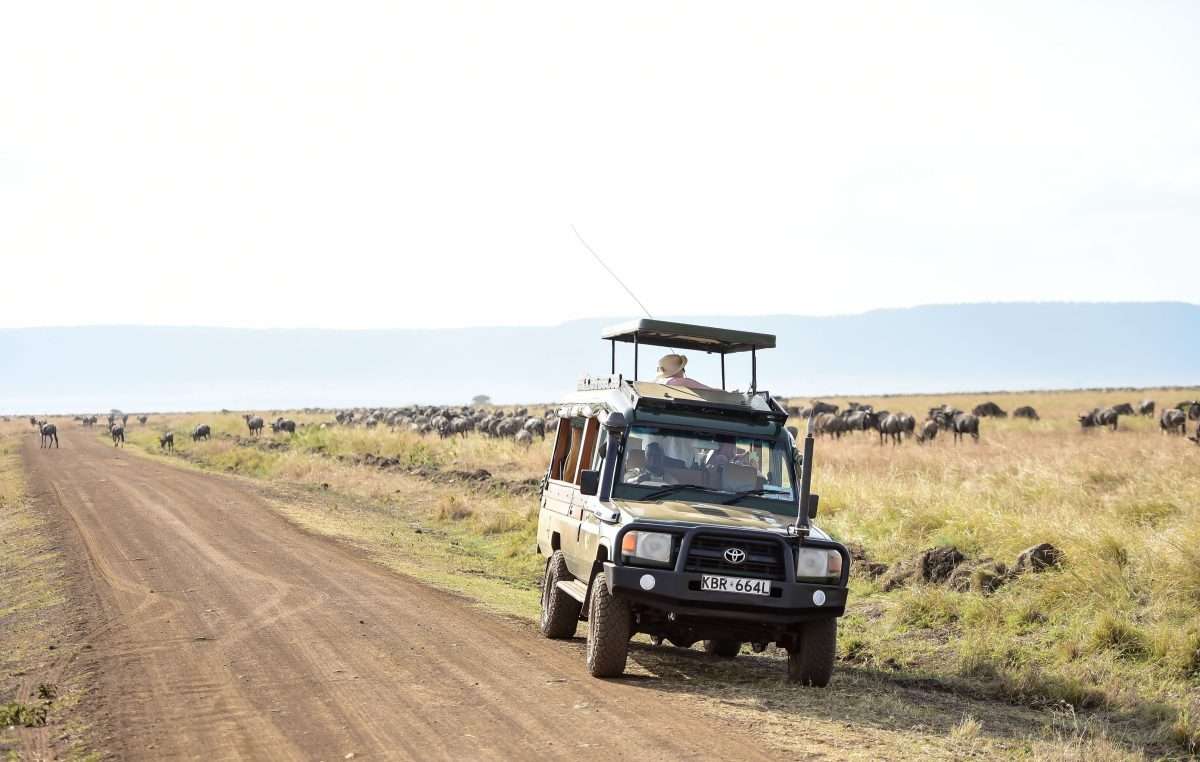
MASAI MARA KENYA SAFARIS
Masai Mara is home of the Great Wildebeest Migration, Big Five of Africa, Big cats, Masai culture etc.
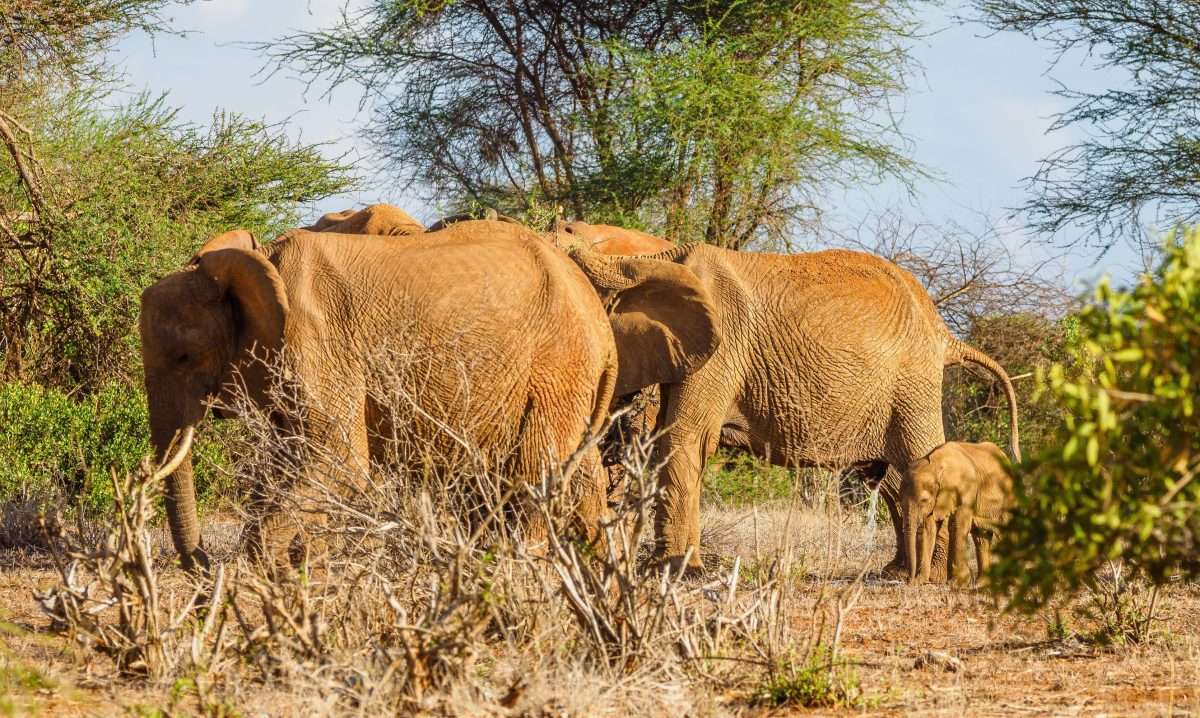
KENYA BEACH TO NAIROBI SAFARIS
Book Exciting African safaris starting from/to the beautiful Diani beach resorts
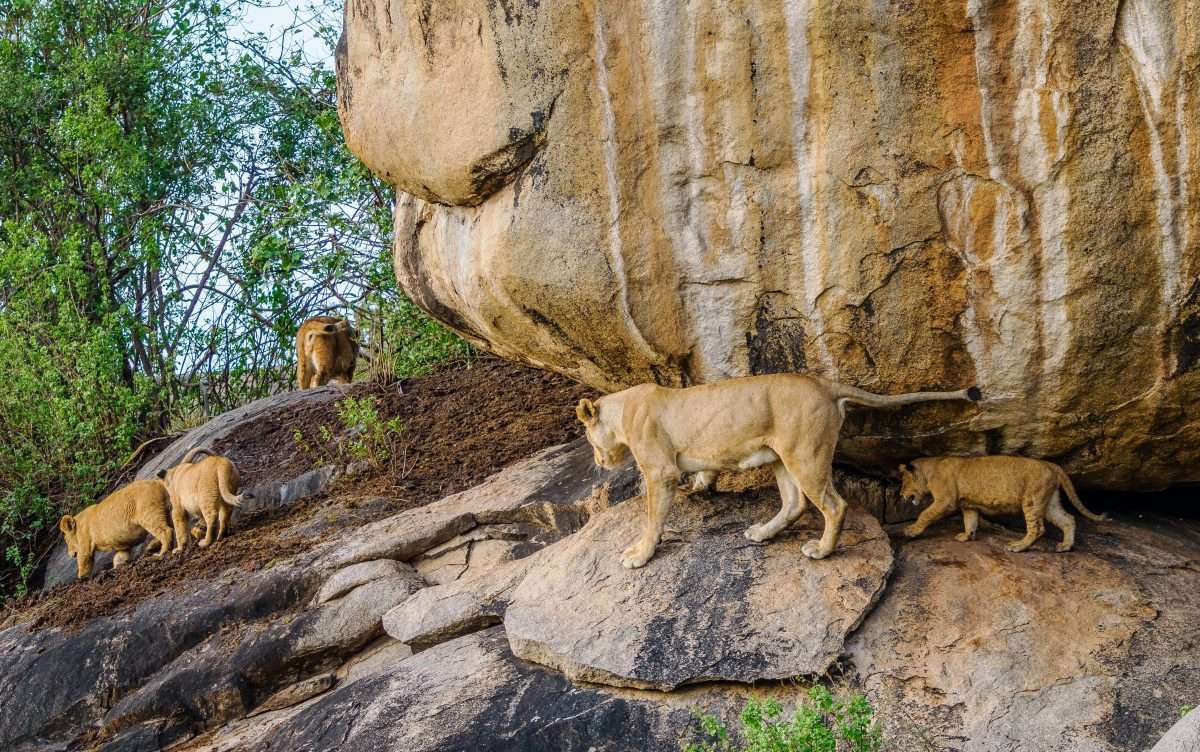
KENYA-TANZANIA SAFARIS
Experience wildlife parks, beaches and mountains of Kenya & Tanzania.

KENYA SAFARI & DIANI BEACH
Experience the best of both worlds – a thrilling Kenya safari and a dream Diani beach vacation
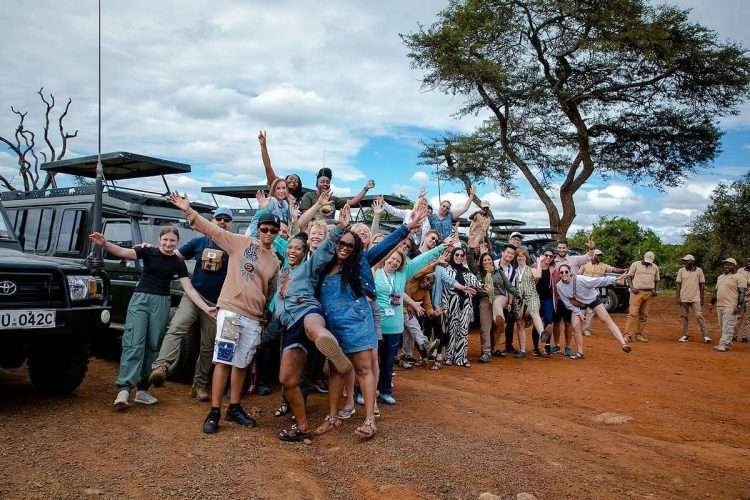
KENYA SHORT GROUP SAFARIS
Join our exciting Kenya short Group safari Tours from Nairobi in 4×4 safari jeeps
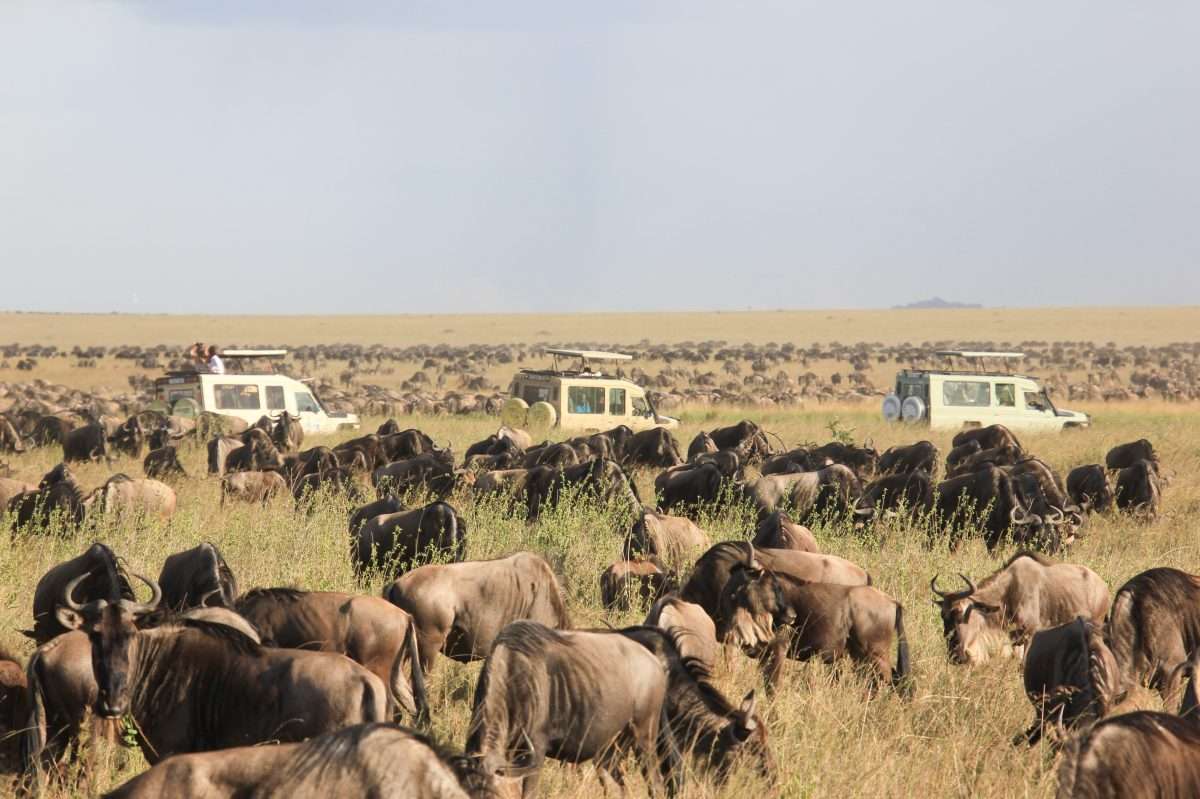
TANZANIA SAFARI HOLIDAYS
Exciting 4×4 Tanzania safaris from Arusha town. Explore Serengeti, Ngorongoro, Manyara & Tarangire.
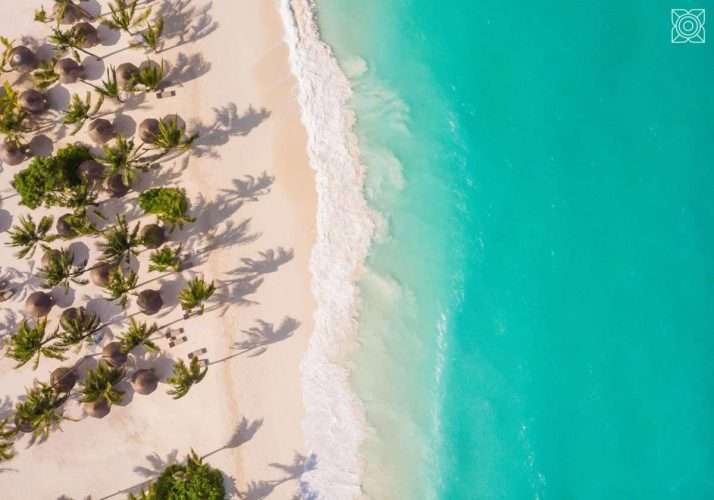
ZANZIBAR BEACH HOLIDAYS
Pre/post your African safari holiday in Kenya & Tanzania, ‘escape’ to Africa’s leading beach destination – Zanzibar!
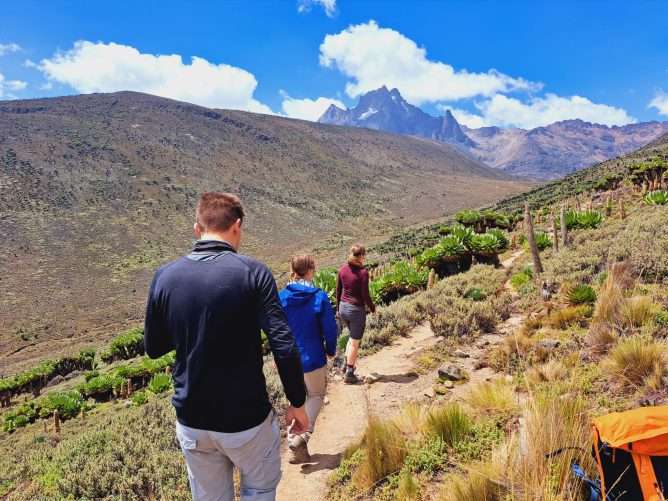
MOUNTAIN CLIMBING TOURS
Best Africa mountain climbing adventure tour packages and safaris. Climb Mount Kenya and Mount Kilimanjaro
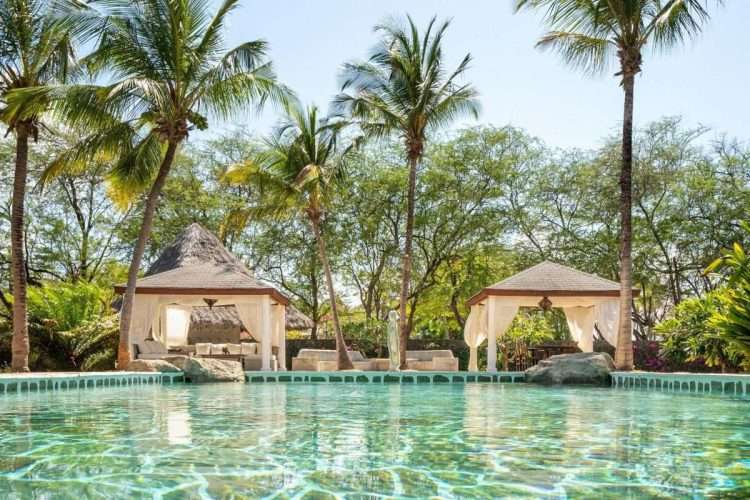
EAST AFRICA BEACH HOLIDAYS
Best family-friendly beach holidays on the sandy beaches of Mombasa, Diani, Malindi, Watamu, Lamu & Zanzibar
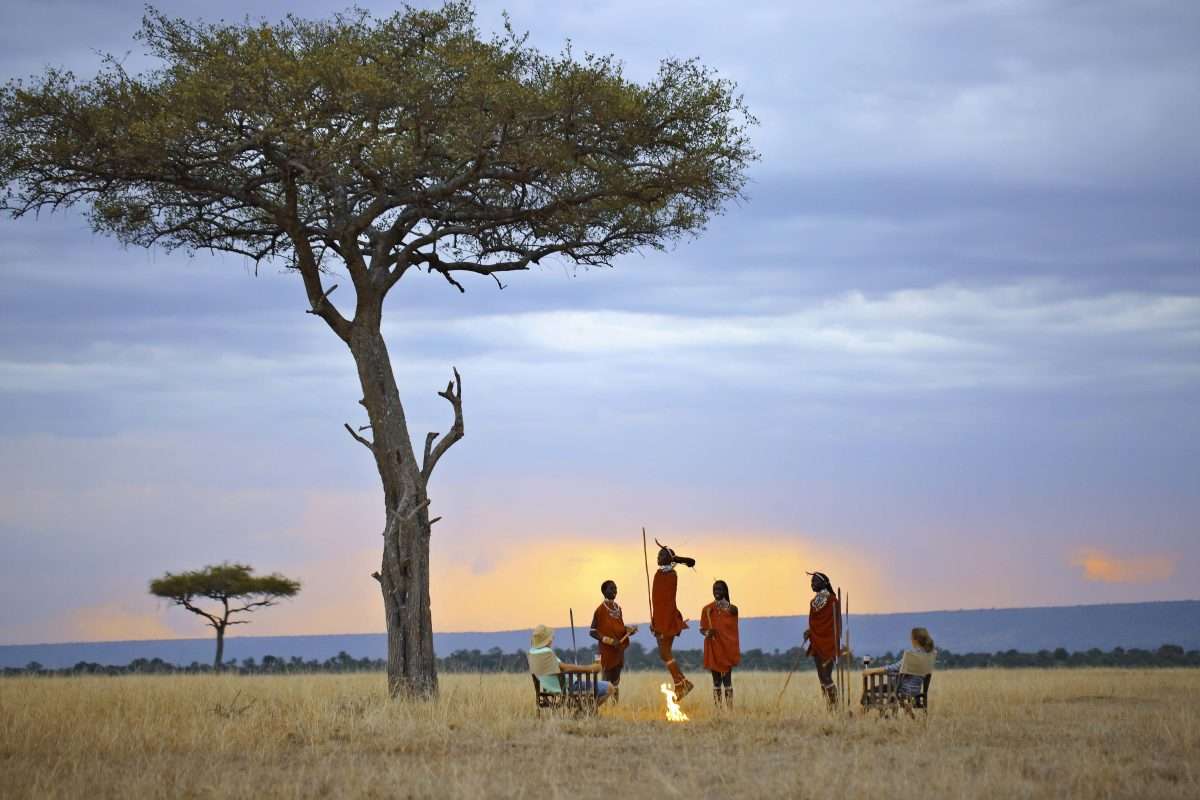
HOLIDAY EXPERIENCES
You came to Africa to live an experience – to see the Big 5, Big cats, wildebeest migration & so much more!
Customize your dream African safari
At Africa Kenya Safaris we are always flexible with your options, we will offer our thoughts on seasons, budgets, lifestyle, accommodations, first-hand experience of the parks, and all the possible activities to fill out your safari story. We’ll work with your impressions and dreams and add our ideas on which to build your adventure.
