
LEWA WILDLIFE CONSERVANCY
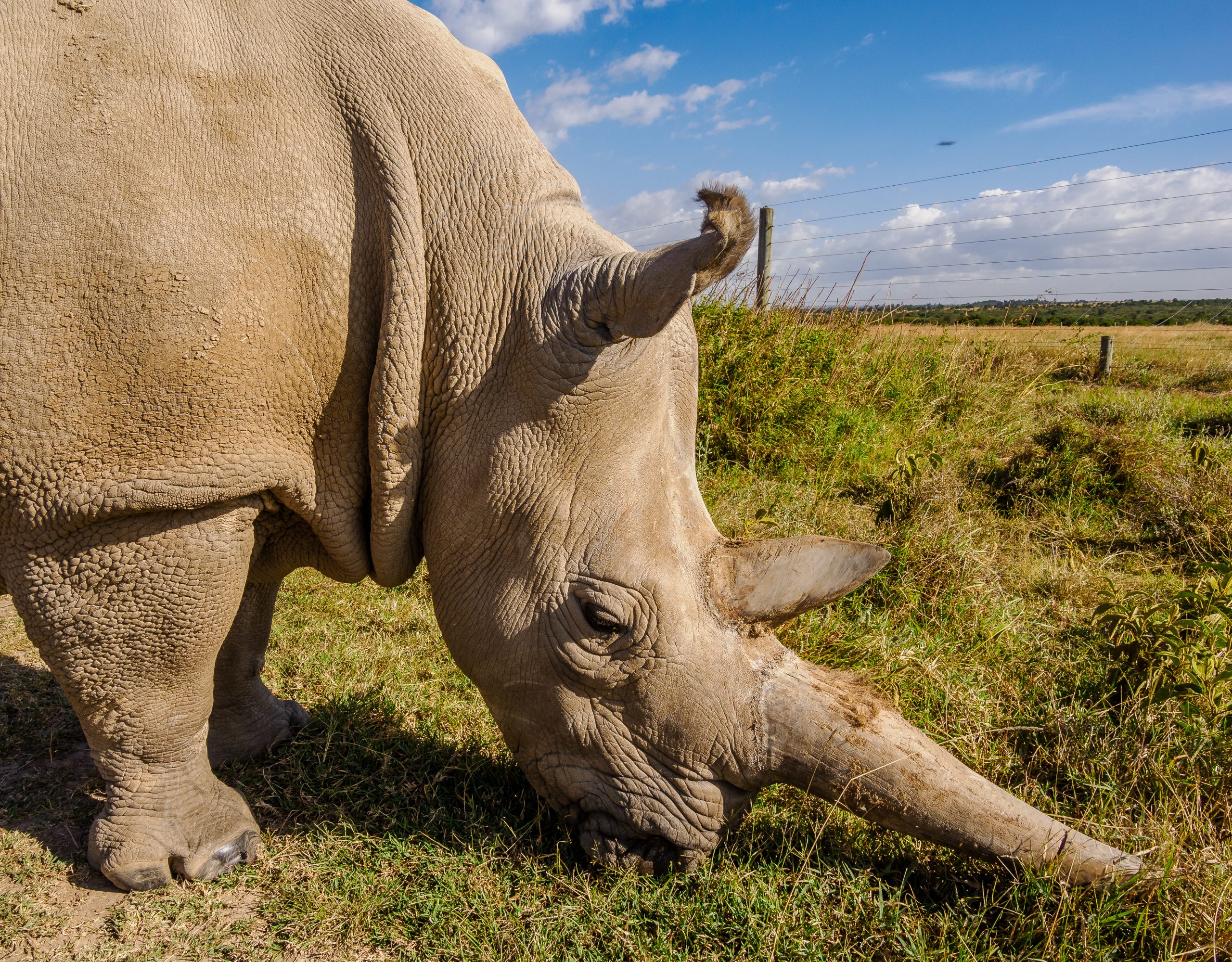
The Largest Refuge for Rhinos
History of Lewa Conservancy
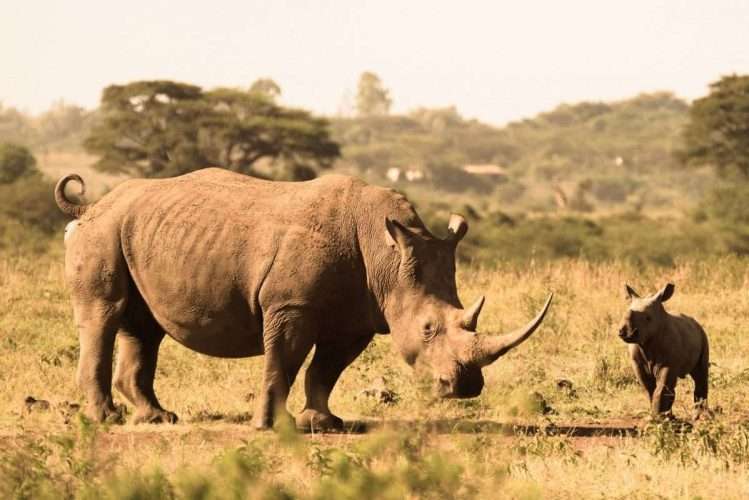
The situation was dire – Kenya’s rhino population had been systematically decimated by poachers. By 1980, only 500 of these majestic creatures remained from a high of 20,000, just twenty years before. Something had to be done.
Fortunately, in 1983, a cattle ranch in central Kenya was converted into a sanctuary to protect these black rhinos and nurture them back to sustainability. With its success a few years later, the Lewa Wildlife Conservancy was formed, and the project continued to expand. Today Lewa’s 61,000 acres is one of the largest conservancies in Africa, protecting not only rhinos and elephants but other endangered species as well.
Lewa Conservancy Wildlife
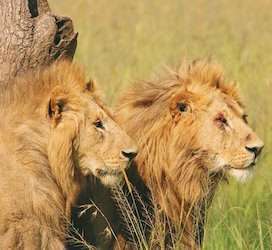
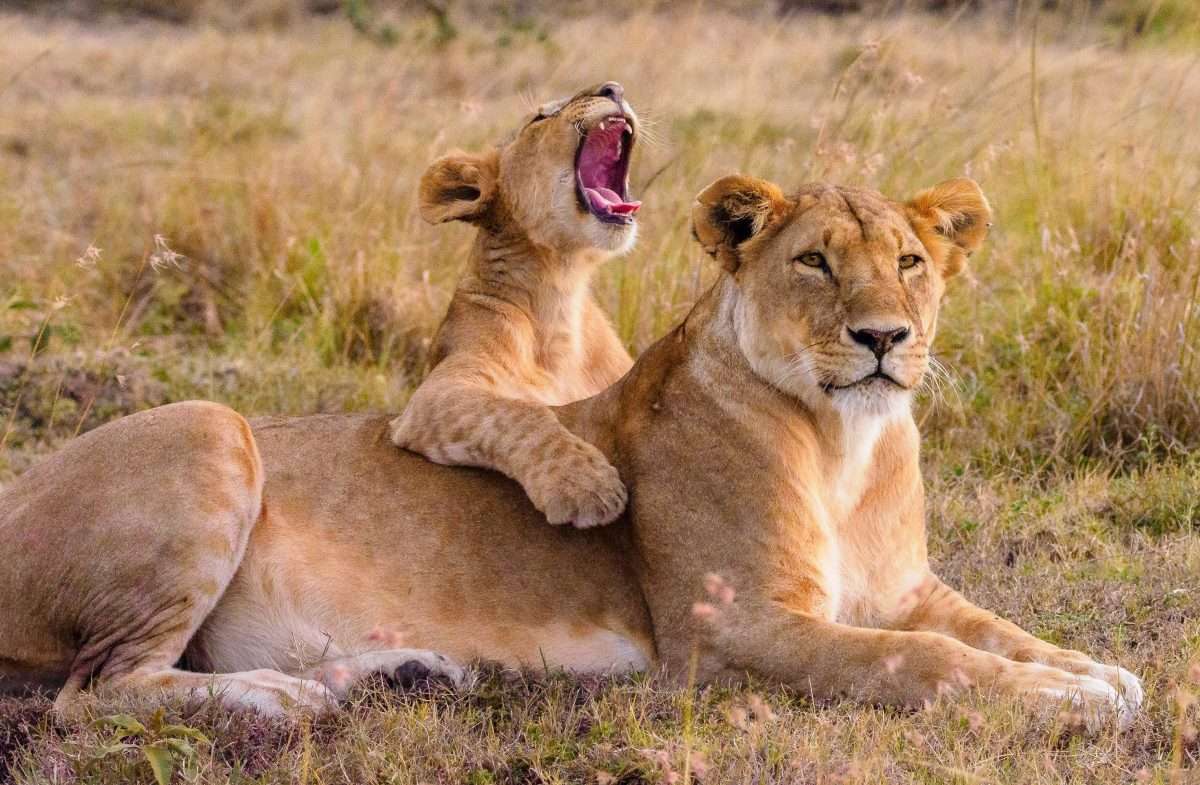
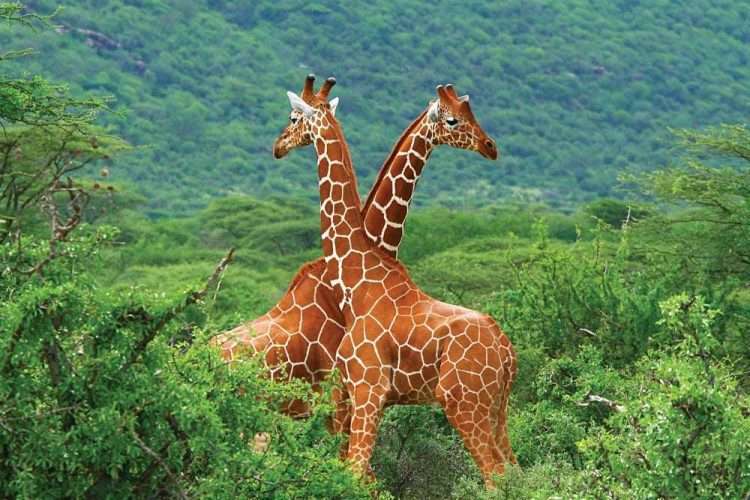
All of Africa’s ‘Big Five’ roam Lewa’s broad fields and predators include lions, leopards, cheetahs, and wild dogs. The conservancy also hosts a group of animals known as the ‘Northern Specialty Species’ – the endangered Grevy’s zebra, reticulated giraffe, Somali ostrich, Beisa oryx, and the gerenuk.
While here, don’t forget to keep an eye out for Lewa’s very busy birdlife including pelicans, cormorants, herons, storks, flamingoes, egrets, and quails.
A Special Conservancy
Lewa’s diverse eco-systems present visitors with a rewarding variety of landscapes and vistas. Because of its natural beauty and success as a wildlife habitat, the conservancy was awarded the honor of being designated a UNESCO World Heritage Site.
Renowned in elite circles, the conservancy has attracted such rarified tourists as Britain’s Prince William. It was here on a safari in 2010 the Prince proposed to his future wife, Kate Middleton.
An Early Success
Regarded as a conservancy success story, Lewa has been a model for sustainable tourism, preserving the land, the wildlife, and investing in its local population.
The Lewa organization invests in healthcare, education, sustainable agriculture and water usage, women’s micro-enterprises, and mentoring programs for young people.
Don’t Miss…
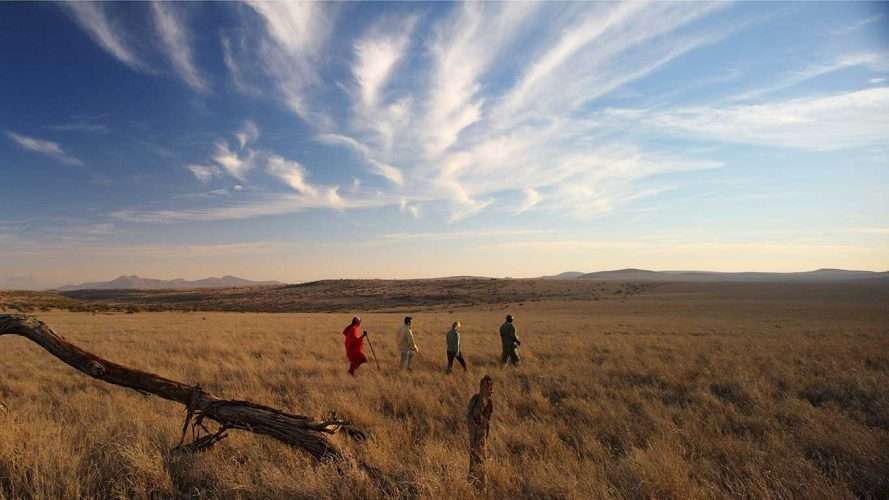
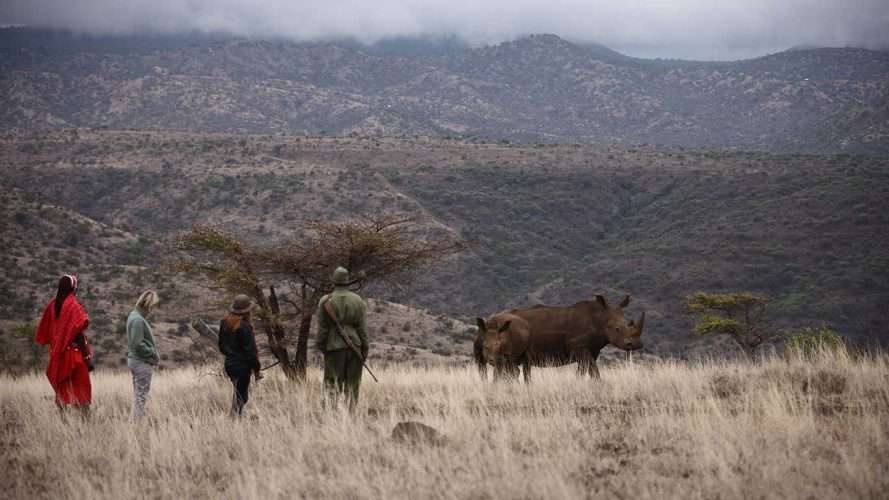
Safari on Foot – See the conservancy closeup and personal. A guided walking safari is the best way to get intimate with the land, the plants, and the birdlife all around you.
Safari on Horseback – For a slightly elevated vantage point of the conservancy, try a game drive from the saddle. A horseback safari will afford a closer look at the grazing herds as you sidle alongside giraffe, zebra, and impala.
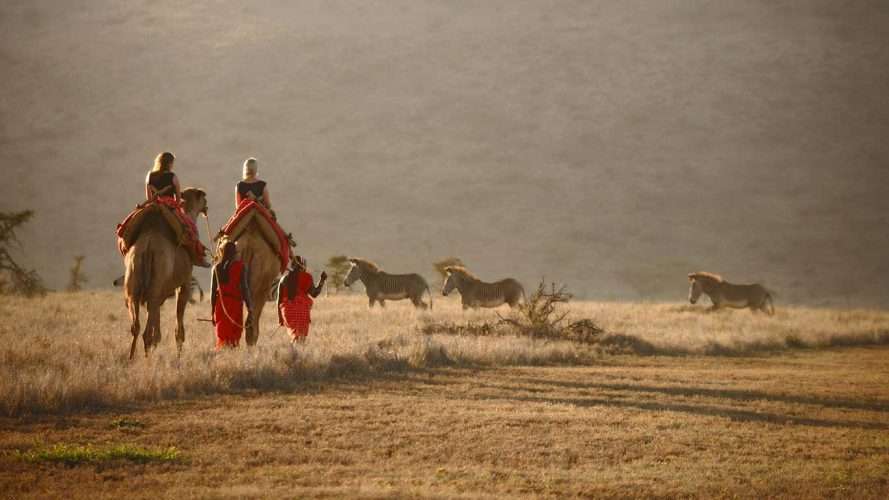
Safari on Camelback – A decidedly different approach to the safari experience. You’ll softly stroll through the Lewa plains on these exotic animals.
Local Villages – Enjoy a cultural excursion to the local villages and meet the people, learn about their lifestyle, and how the conservancy helps their community.
Go Behind The Scenes – You can observe and help with the area’s many conservation and community programs like their health outreach initiative.
Lewa Safari Marathon – An annual internationally acclaimed fundraising event, participants run for their best times through the inspiring African landscape of Lewa. Known as one of the world’s top ten ‘must do’ marathons, runners from around the world take part in this major sporting event.
Our Lodges
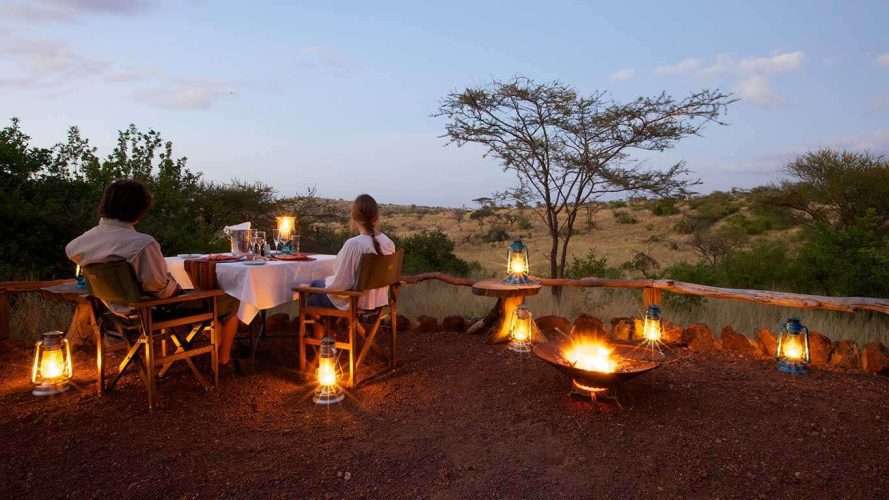
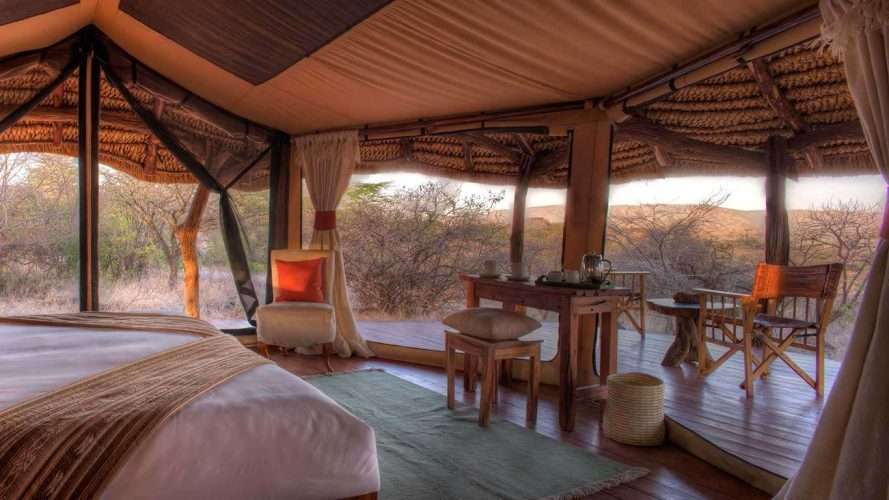
Lewa hosts five exclusive lodges located throughout the grounds of the conservancy. The accommodations offer their guests authentic and very unique safari experiences. Integral to the conservancy model, all the profits generated from tourism are directed back to Lewa’s conservation and community programs.
Our partners:
- Borana Lodge
- Lewa Wilderness
- Kifaru House
- Sirikoi Lodge
- Lewa Safari Camp
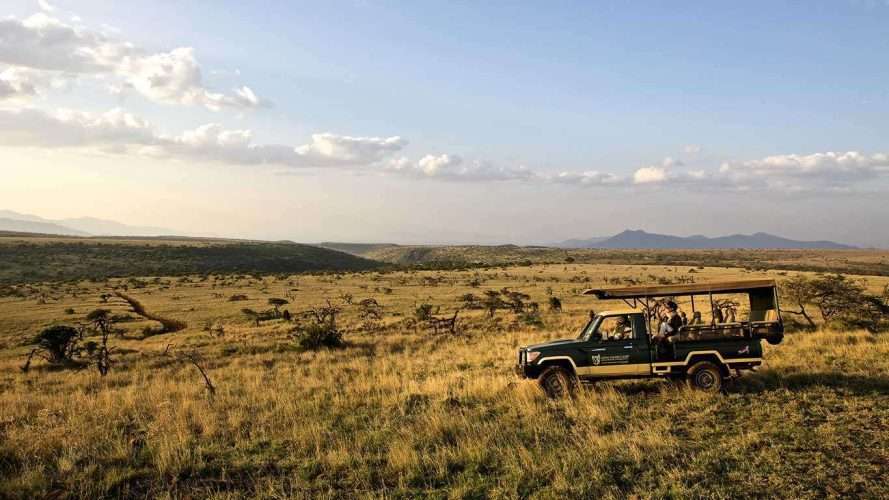
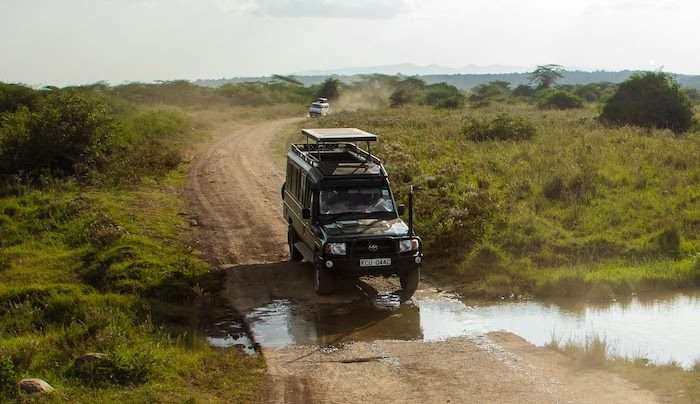
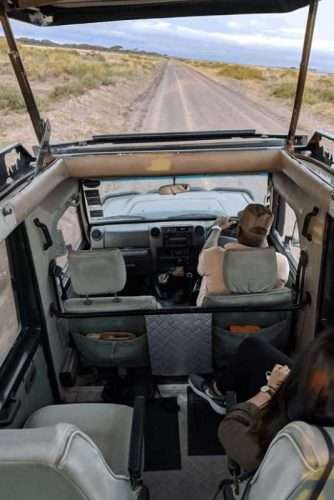
Getting there: You can Book a tour with Africa Kenya Safaris. And you’ll go in style – a specially outfitted 4 x 4 safari Jeep.
Lewa Conservancy Facts & FAQs
Lewa Conservancy, a beacon of wildlife conservation and sustainable tourism, offers a wealth of information for potential visitors and nature enthusiasts. Nestled in Kenya’s northern region, this expansive conservancy is renowned for its successful conservation efforts and diverse wildlife. Whether you’re interested in exploring its rich history, discovering the best time to visit, or learning about the range of animals you might encounter, our comprehensive FAQ section provides all the essential details to help you plan your unforgettable journey to Lewa Conservancy.
Where is Lewa Conservancy located?
Lewa Conservancy is located in northern Kenya, at the foothills of Mount Kenya, within the Laikipia Plateau. This renowned wildlife conservancy spans over 62,000 acres and is situated about 140 miles (225 kilometers) north of Nairobi, making it easily accessible for travelers seeking a unique safari experience.
The Gateway to Laikipia’s Wilderness
Lewa Conservancy serves as a critical wildlife corridor between Mount Kenya and the arid lowlands of northern Kenya. Nestled within the expansive Laikipia ecosystem, the conservancy is bordered by community-owned lands and private ranches, creating a vast, interconnected wildlife haven. Its strategic location ensures that visitors not only experience the rich biodiversity of Lewa but also gain access to the broader Laikipia region’s diverse landscapes and cultures.
Accessibility and Travel Routes
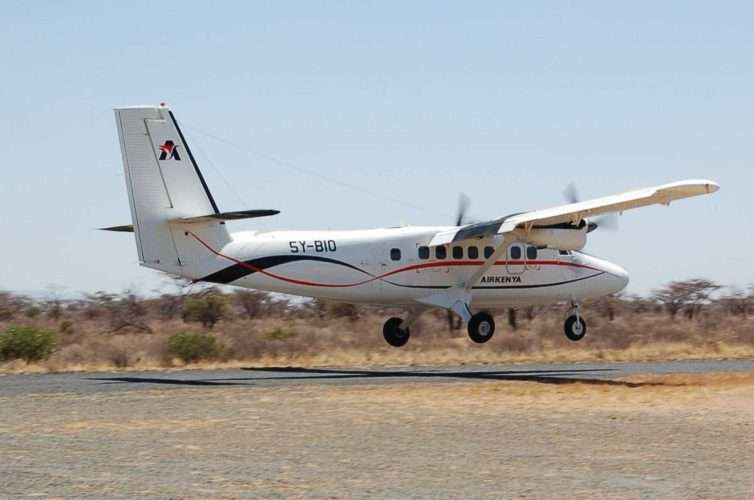
Travelers can reach Lewa Conservancy by road or air, with the most popular route being a scenic 5 to 6-hour drive from Nairobi, passing through the central highlands of Kenya. For a quicker journey, scheduled flights from Nairobi’s Wilson Airport land directly on Lewa’s airstrip, offering a swift and comfortable option. Whether by road or air, the journey to Lewa is as memorable as the destination itself, with breathtaking views of Mount Kenya and the surrounding wilderness setting the stage for an unforgettable safari adventure.
What are Lewa Conservancy entry fees?
Lewa Conservancy entry fees vary depending on the type of visitor, with adult non-residents paying $198USD per day and residents paying about Ksh 8,704. Fees for children and students are lower, and the conservancy may also offer discounted rates for extended stays. If you book a safari with Africa Kenya Safaris, these entry fees will be included in the overall package cost, ensuring a hassle-free experience.
Understanding Lewa Conservancy Fees
Lewa Conservancy’s entry fees are crucial in supporting the conservancy’s conservation efforts, community projects, and the maintenance of the pristine wilderness that guests enjoy. The fees cover access to the conservancy’s extensive wildlife viewing areas, including opportunities to spot the Big Five and the endangered Grevy’s zebra and black rhino. Visitors are encouraged to check the latest rates as they can vary depending on the season and special offers.
Inclusive Safari Packages with Africa Kenya Safaris
When you book a safari with Africa Kenya Safaris, the entry fees to Lewa Conservancy are conveniently included in the package, eliminating any concerns about additional costs during your trip. This all-inclusive approach ensures that your safari experience is seamless, allowing you to focus entirely on the adventure at hand, from thrilling game drives to tranquil bush walks in one of Kenya’s premier wildlife conservancies.
Can I go on Lewa Wildlife Conservancy tours?
Yes, you can go on tours of Lewa Wildlife Conservancy, where you’ll experience guided safaris that bring you close to Kenya’s unique wildlife, including the Big Five and endangered species like the Grevy’s zebra and black rhino. Africa Kenya Safaris offers expertly guided tours that include visits to Lewa Wildlife Conservancy, ensuring a rich and immersive safari experience.
Explore Lewa Conservancy with Expert Guides
Lewa Wildlife Conservancy tours are led by knowledgeable guides who provide insights into the region’s diverse ecosystems, wildlife behaviors, and conservation efforts. During your tour, you’ll traverse the conservancy’s vast landscapes, from rolling savannahs to dense acacia forests, encountering a remarkable variety of wildlife along the way. These guided tours are designed to enhance your understanding and appreciation of this renowned conservation area.
Safari Packages with Africa Kenya Safaris
Booking a tour with Africa Kenya Safaris guarantees an exceptional experience at Lewa Wildlife Conservancy. Our packages include transportation, park entry fees, and guided tours by seasoned experts who are passionate about wildlife conservation. Whether you’re interested in traditional game drives, walking safaris, or cultural visits to local communities, Africa Kenya Safaris provides a comprehensive and unforgettable journey through one of Kenya’s most iconic wildlife reserves.
Can I stay in Lewa Conservancy lodges?
Yes, you can stay in lodges within Lewa Conservancy, offering luxurious accommodations amidst the stunning landscapes and diverse wildlife of this renowned conservation area. The lodges provide a perfect blend of comfort and adventure, ensuring an immersive experience in the heart of Kenya’s wilderness.
Luxury Lodges in Lewa Conservancy
Lewa Conservancy is home to several high-end lodges and tented camps that cater to visitors seeking an exclusive safari experience. These lodges offer spacious rooms or tents with modern amenities, often with stunning views of the surrounding savannahs and wildlife. Some of the popular options include Lewa Safari Camp, Sirikoi Lodge, and Kifaru House. Each lodge provides a unique experience, combining luxury with a deep connection to nature.
Experiencing the Wilderness from Your Lodge
Staying at a lodge in Lewa Conservancy allows you to enjoy the wildlife up close, with many lodges offering early morning and evening game drives, guided nature walks, and opportunities to engage with conservation efforts. The lodges are strategically located to offer prime viewing of the region’s famous wildlife, including elephants, rhinos, and big cats. After a day of exploration, you can unwind with gourmet dining and relax in the serene atmosphere of the African wilderness. Africa Kenya Safaris can arrange your stay, ensuring you have a memorable and seamless experience at Lewa Conservancy.
How big is Lewa Conservancy?
Lewa Conservancy covers an area of approximately 250 square kilometers (62,000 acres) in northern Kenya, making it one of the most significant private wildlife conservancies in the country. This vast protected area is renowned for its successful conservation efforts, particularly in protecting endangered species such as rhinos and Grevy’s zebras.
A Vast Sanctuary for Wildlife
Lewa Conservancy’s expansive landscape provides a critical habitat for a wide range of wildlife. The conservancy’s 250 square kilometers are home to over 70 different mammal species, including large populations of elephants, lions, and cheetahs. The conservancy’s size allows for diverse ecosystems, from savannah grasslands to acacia forests, ensuring that it supports a rich variety of flora and fauna. Visitors can explore these vast terrains through game drives, guided walks, and even horseback safaris, offering an intimate connection with the natural world.
Conservation and Community Impact
The large size of Lewa Conservancy not only benefits wildlife but also plays a crucial role in supporting local communities. Lewa’s conservation model integrates wildlife protection with community development, with a significant portion of its land dedicated to sustainable agriculture and education initiatives. This balance between conservation and human needs has made Lewa a model for community-based conservation, demonstrating how large-scale protected areas can benefit both wildlife and people. Africa Kenya Safaris offers tours that allow you to witness these conservation efforts firsthand, exploring the vast landscapes of Lewa Conservancy.
What animals can be seen in Lewa Conservancy?
Lewa Conservancy is home to a diverse array of wildlife, including the endangered black and white rhinos, Grevy’s zebras, elephants, lions, and cheetahs, making it one of Kenya’s premier safari destinations. Visitors to Lewa can experience close encounters with these magnificent animals, supported by the conservancy’s dedicated conservation efforts.
Iconic Species: Rhinos and Grevy’s Zebras
Lewa Conservancy is internationally recognized for its successful conservation programs, particularly for black and white rhinos and the rare Grevy’s zebras. The conservancy houses over 15% of Kenya’s rhino population, offering visitors an exceptional chance to see these majestic creatures up close. The Grevy’s zebras, with their distinctive narrow stripes and large ears, are also a highlight, as Lewa provides a sanctuary for about 20% of the world’s population of this endangered species. These efforts make Lewa a vital stronghold for preserving these species, contributing to global conservation initiatives.
Big Cats and Other Wildlife
In addition to its rhino and zebra populations, Lewa Conservancy is a haven for big cats like lions, cheetahs, and leopards. These predators roam the conservancy’s savannahs, providing thrilling wildlife viewing opportunities. Elephants are another common sight, often seen moving in large herds across the plains. Beyond these iconic species, visitors might also encounter buffalo, giraffes, and numerous antelope species, all thriving in this protected environment. For bird enthusiasts, Lewa offers a rich avian life, with over 400 species recorded within the conservancy. Africa Kenya Safaris offers expertly guided tours, ensuring you experience the best of Lewa’s wildlife in its natural habitat.
What is the history of Lewa Conservancy?
Lewa Conservancy, established in 1995, has grown from a family-owned cattle ranch into one of Kenya’s most renowned wildlife conservancies, dedicated to the conservation of endangered species like rhinos and Grevy’s zebras. The conservancy’s efforts have transformed it into a model for sustainable conservation and community development in Africa.
Origins and Early Development
Lewa Conservancy began as a cattle ranch owned by the Craig family in the early 20th century. In 1983, in response to the rampant poaching of rhinos, the ranch was transformed into the Ngare Sergoi Rhino Sanctuary, aimed at protecting the critically endangered black rhino. This initiative marked the beginning of Lewa’s journey toward becoming a leading conservancy. By 1995, the sanctuary had expanded to cover 62,000 acres and was officially named Lewa Wildlife Conservancy. The conservancy’s founders, along with local communities, worked tirelessly to create a safe haven for wildlife, while also focusing on sustainable land use and community involvement.
Conservation Achievements and Global Impact
Over the years, Lewa Conservancy has achieved significant conservation milestones, including the successful breeding and protection of black and white rhinos, increasing their populations within the conservancy. Lewa has also played a pivotal role in the preservation of the endangered Grevy’s zebra, becoming a global leader in the species’ conservation. The conservancy’s innovative approach to integrating wildlife conservation with community development has garnered international recognition, serving as a model for other conservation projects worldwide. Through its partnerships and programs, Lewa continues to influence conservation strategies, balancing the needs of wildlife and local communities. Africa Kenya Safaris is proud to offer guided tours that highlight Lewa’s rich history and ongoing conservation efforts.
Who owns Lewa Conservancy?
Lewa Conservancy is owned and managed by the Lewa Wildlife Conservancy, a non-profit organization dedicated to wildlife conservation and community development in northern Kenya. The conservancy was originally a private ranch owned by the Craig family, who transformed it into a sanctuary for endangered species. Today, it is governed by a board of trustees, ensuring its mission of conservation and sustainable development.
The Craig Family’s Legacy
The origins of Lewa Conservancy trace back to the Craig family, who established the ranch in the early 20th century. The family’s commitment to wildlife protection led to the creation of the Ngare Sergoi Rhino Sanctuary in 1983, the precursor to the conservancy. This initiative laid the foundation for what would become a leading conservation model in Africa. The Craig family’s vision and dedication have been instrumental in transforming Lewa into a world-renowned conservancy, safeguarding endangered species and promoting sustainable land use.
Governance and Community Involvement
Lewa Conservancy is now managed by the Lewa Wildlife Conservancy, a non-profit organization overseen by a board of trustees. The board includes conservation experts, local community representatives, and members of the Craig family, ensuring a balanced approach to conservation and community development. Lewa’s governance model emphasizes collaboration with local communities, who play a vital role in protecting wildlife and promoting sustainable livelihoods. This partnership has been key to the conservancy’s success, making Lewa a global example of how conservation and community interests can be harmoniously aligned.
When it the best time to visit Lewa Conservancy?
The best time to visit Lewa Conservancy is during the dry seasons from June to September and December to February when wildlife viewing is at its peak. These months offer the best conditions for game drives, as animals are more concentrated around water sources, and the vegetation is less dense, making it easier to spot wildlife.
Optimal Wildlife Viewing
During the dry seasons, Lewa Conservancy’s landscape transforms into a prime setting for wildlife viewing. With scarce water sources, animals like elephants, rhinos, and big cats gather near the remaining waterholes, offering visitors spectacular game sightings. The clear skies and mild temperatures also enhance the safari experience, making it a comfortable and rewarding time to explore the conservancy.
Avoiding the Rainy Season
The rainy seasons, typically from March to May and October to November, bring lush greenery to Lewa but also make wildlife viewing more challenging. The tall grasses and dense foliage can obscure animals, and the wet conditions may lead to some areas becoming inaccessible. However, the rains also bring vibrant birdlife and blooming flora, making it an attractive time for bird watchers and nature enthusiasts who prefer a quieter, off-peak visit.
Where does the name Lewa Conservancy come from?
The name “Lewa Conservancy” originates from the Lewa Downs ranch, a cattle ranch turned wildlife sanctuary that formed the foundation of the conservancy. The Lewa Downs ranch was owned by the Craig family, who transformed it into a haven for wildlife, particularly for endangered species like black rhinos.
The Craig Family’s Legacy
Lewa Conservancy’s name is deeply connected to the history and legacy of the Craig family, who played a pivotal role in its transformation. Originally established as a cattle ranch by the family, the land was later converted into a conservancy to protect wildlife. The Craigs’ vision and commitment to conservation helped shape Lewa into a globally recognized model for sustainable wildlife management and community involvement.
A Symbol of Conservation
Over the years, the name Lewa has become synonymous with pioneering conservation efforts in Kenya. It represents not just the land but also the collaborative efforts between conservationists, local communities, and global partners to preserve biodiversity. Lewa Conservancy stands as a symbol of successful conservation, balancing the needs of wildlife with those of the people who share the land.
This is Lewa Wildlife Conservancy
One of the oldest, largest, and most successful conservancies in Africa, Lewa has become a model for conserving the land, the wildlife and funding the aspirations of its local communities. A harbor for endangered species, this outstanding conservancy is an unforgettable stop on your safari tour through Kenya.
When Do You Want to Visit?
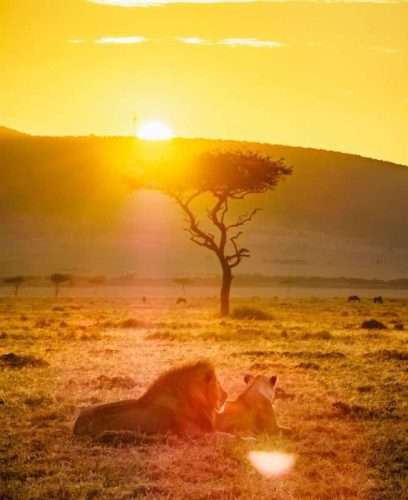
The big cats and the dozens of wildlife species don’t have any downtime during the year – there are always in sight on the great savannahs of this storied park.
The climate here is mild and generally sunny year-round. So, the game viewing is excellent any time you choose to go on safari.
However, the park is known for its peak migration season from July through October. These are the months you can expect to witness thousands upon thousands of wildebeests, zebra, and gazelle invading the park on their annual trek for water and more sustainable grasses.
Please view our selection of Masai Mara tours below and let’s talk. We’ll create the safari you’ve been dreaming about.
MASAI MARA 4x4 JEEP SAFARIS FROM NAIROBI
2 , 3 & 4 Days Masai Mara safari packages in our custom 4x4 pop-up top safari Landcruiser jeeps
MASAI MARA FLIGHT SAFARIS FROM NAIROBI
2 , 3 & 4 Days Kenya Fly-In / Air safaris from Nairobi to Masai Mara National Reserve
MASAI MARA FLIGHT SAFARIS FROM DIANI BEACH
2 & 3-day Masai Mara fly-in safaris from Diani, Tiwi, Galu, Shimoni, Msambweni Beach Resorts
Questions About Our Tours?
Choose Your East Africa Safari Tour
Our Africa Safaris in Kenya, Tanzania & Zanzibar
Check out our many East Africa safari tours:

NAIROBI EXCURSIONS
Africa Kenya Safaris offers you full and half-day excursions & trips from Nairobi
KENYA SAFARI FROM NAIROBI
Explore our multi-day Kenya safari adventures ranging from 2 – 12 days from Nairobi.
NAIROBI TO DIANI BEACH SAFARIS
Enjoy a Kenya wildlife safari then finish up your holiday at Kenya’s Diani Beach.
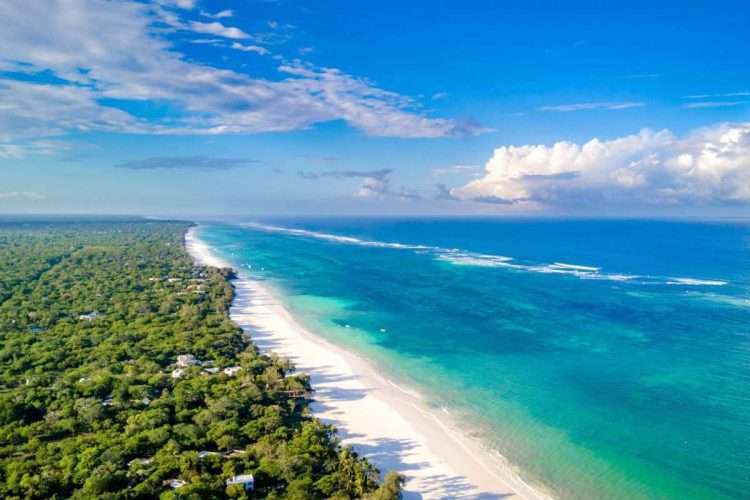
DIANI BEACH KENYA SAFARIS
Explore our Kenya safaris from beach resorts of Diani – voted Africa’s leading beach destination
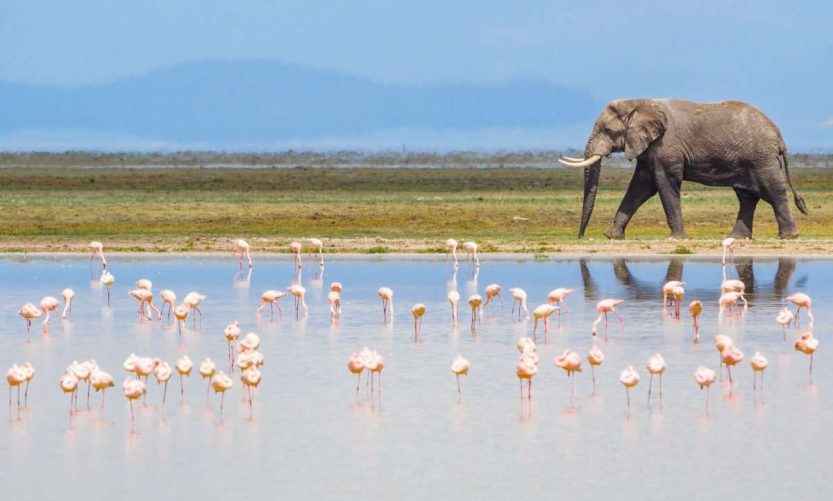
AMBOSELI KENYA SAFARIS
Explore Amboseli – famous for large herds of elephants and scenic views of Mount Kilimanjaro
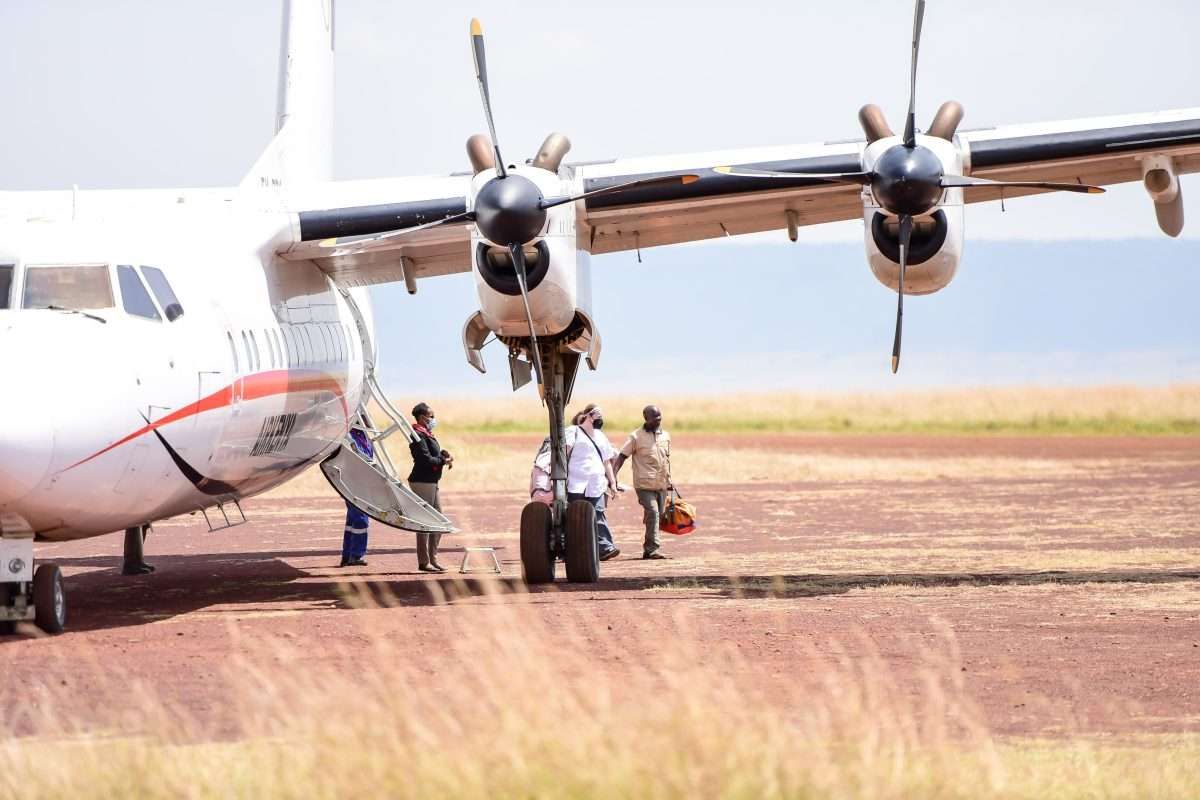
KENYA FLIGHT SAFARIS
Book Kenya flight Safaris and explore Masai Mara, Amboseli, Samburu & Lewa Conservancy.
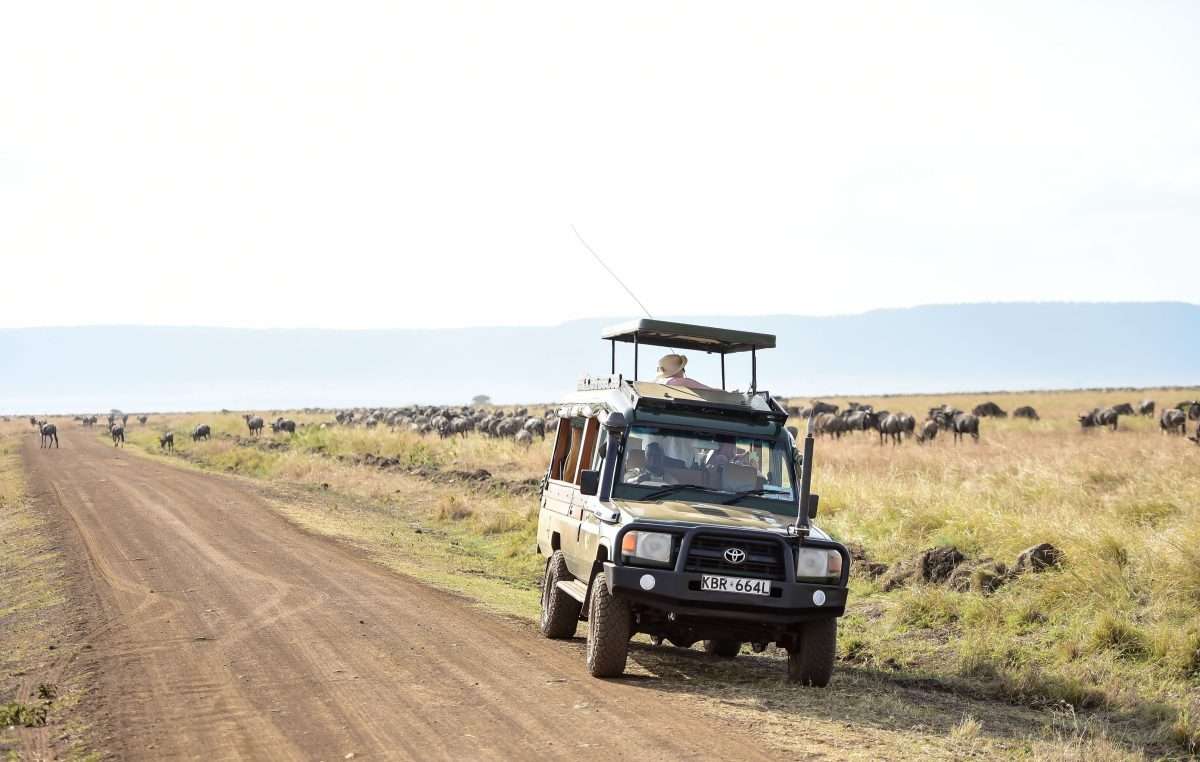
MASAI MARA KENYA SAFARIS
Masai Mara is home of the Great Wildebeest Migration, Big Five of Africa, Big cats, Masai culture etc.
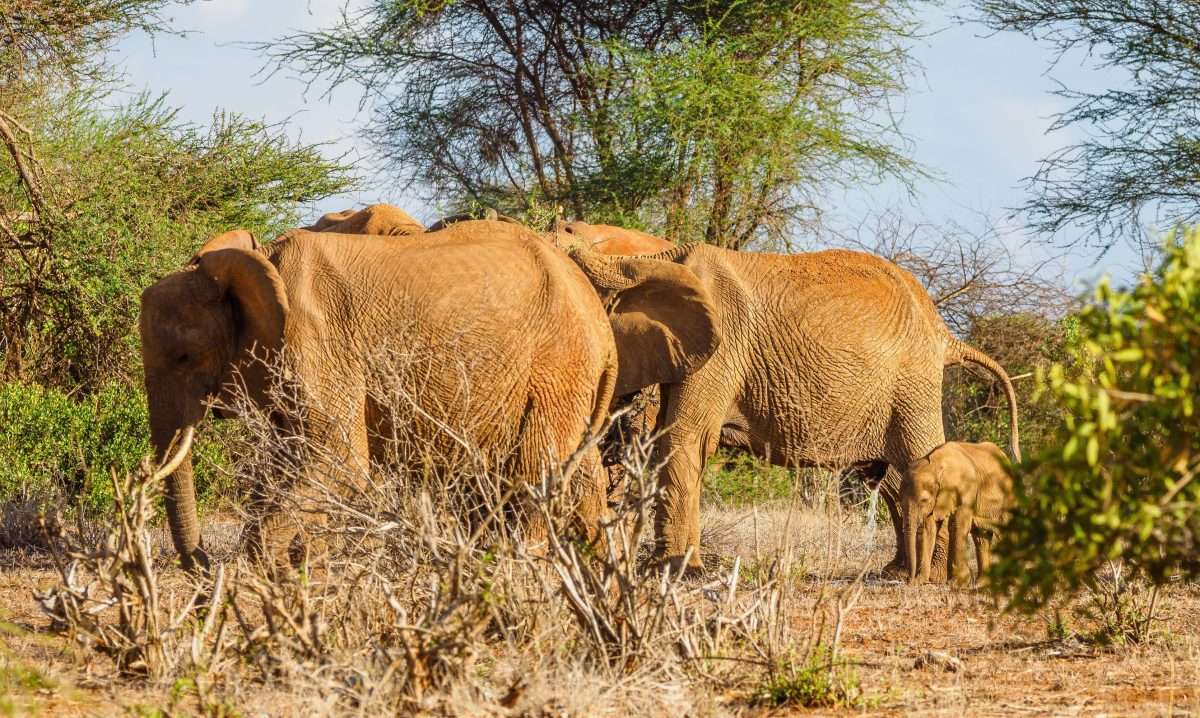
KENYA BEACH TO NAIROBI SAFARIS
Book Exciting African safaris starting from/to the beautiful Diani beach resorts
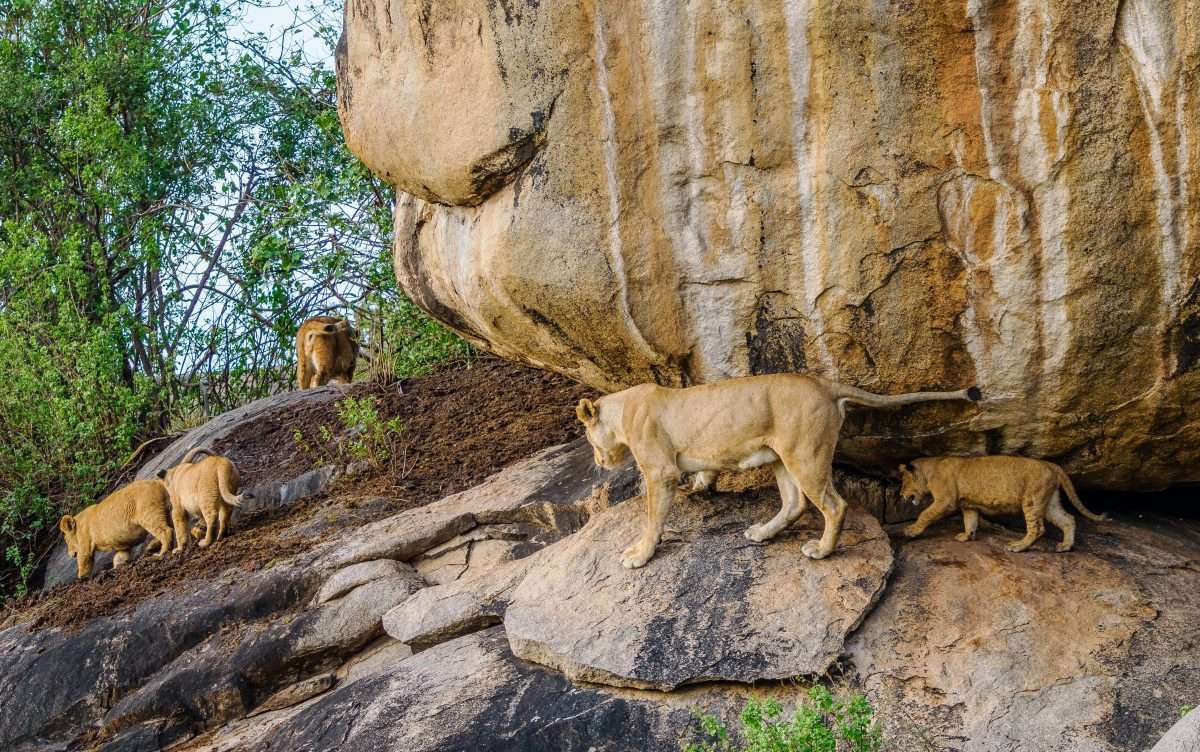
KENYA-TANZANIA SAFARIS
Experience wildlife parks, beaches and mountains of Kenya & Tanzania.

KENYA SAFARI & DIANI BEACH
Experience the best of both worlds – a thrilling Kenya safari and a dream Diani beach vacation
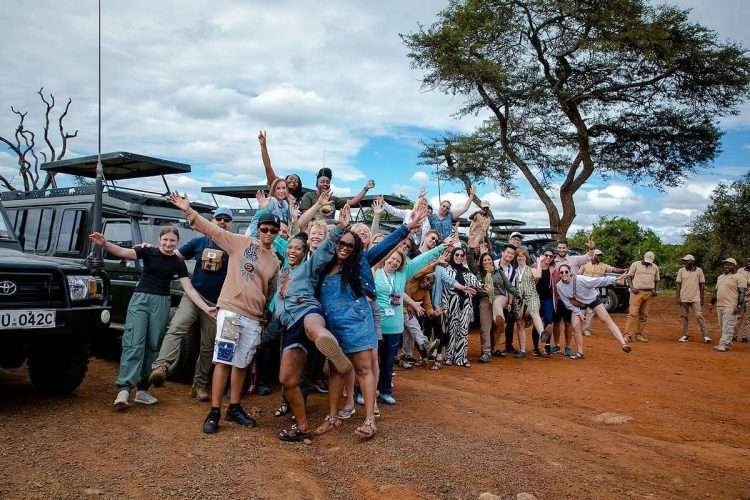
KENYA SHORT GROUP SAFARIS
Join our exciting Kenya short Group safari Tours from Nairobi in 4×4 safari jeeps
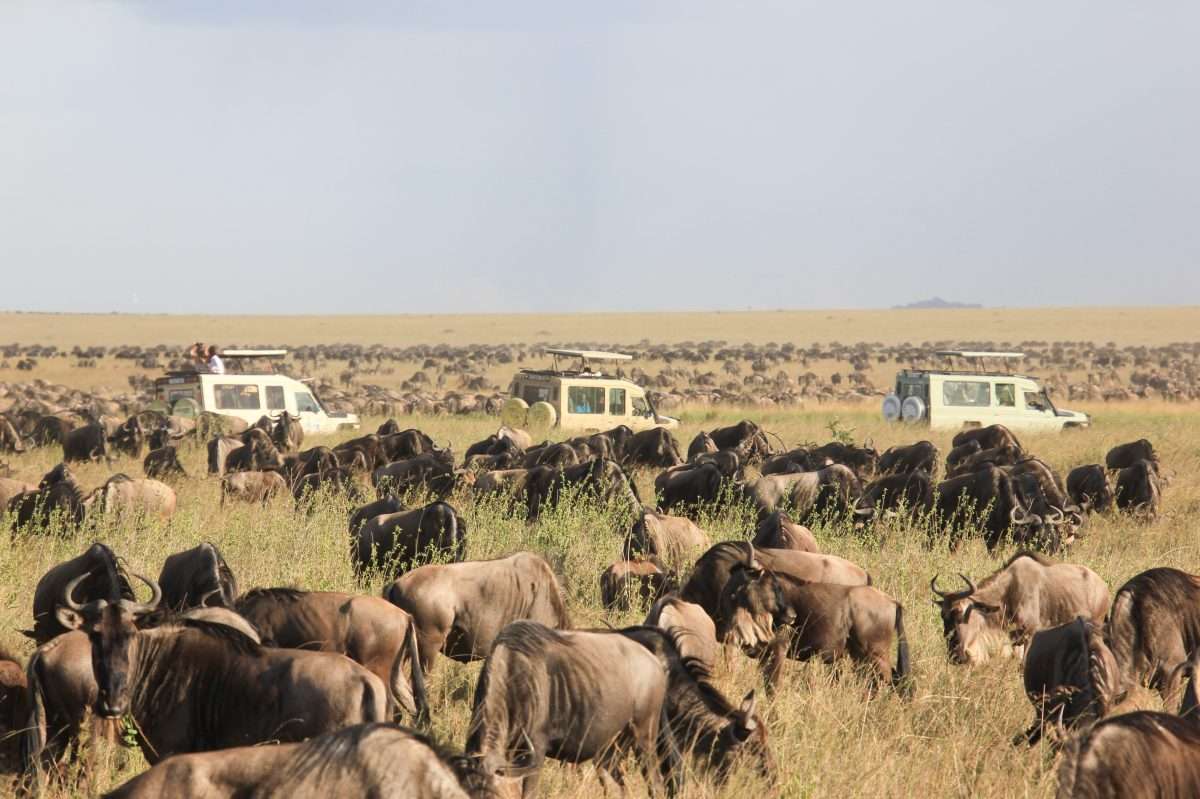
TANZANIA SAFARI HOLIDAYS
Exciting 4×4 Tanzania safaris from Arusha town. Explore Serengeti, Ngorongoro, Manyara & Tarangire.
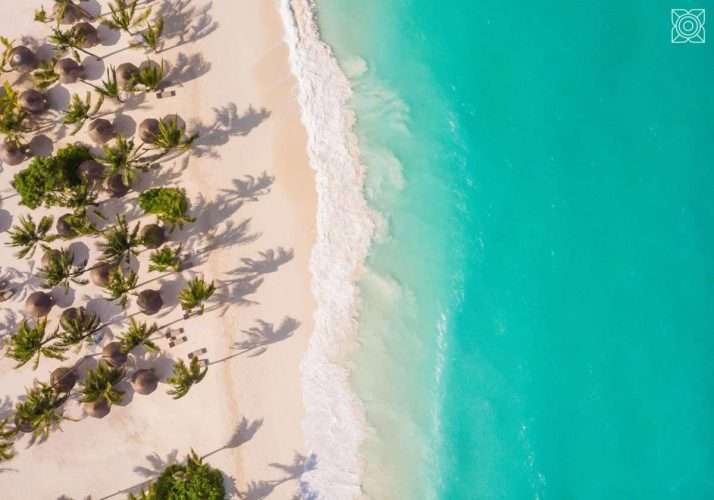
ZANZIBAR BEACH HOLIDAYS
Pre/post your African safari holiday in Kenya & Tanzania, ‘escape’ to Africa’s leading beach destination – Zanzibar!
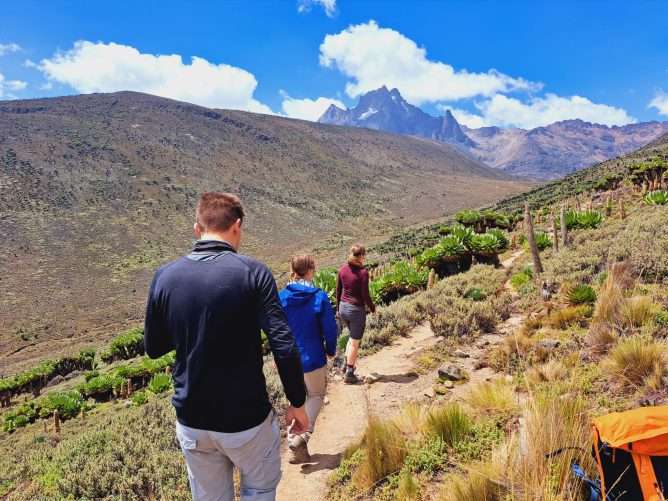
MOUNTAIN CLIMBING TOURS
Best Africa mountain climbing adventure tour packages and safaris. Climb Mount Kenya and Mount Kilimanjaro
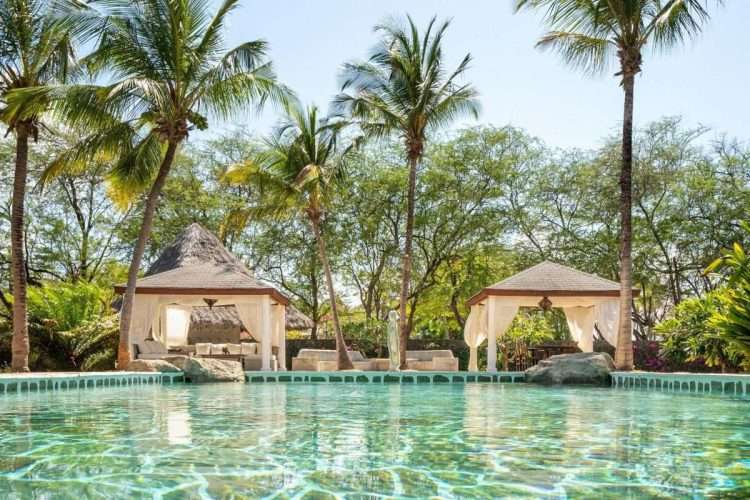
EAST AFRICA BEACH HOLIDAYS
Best family-friendly beach holidays on the sandy beaches of Mombasa, Diani, Malindi, Watamu, Lamu & Zanzibar
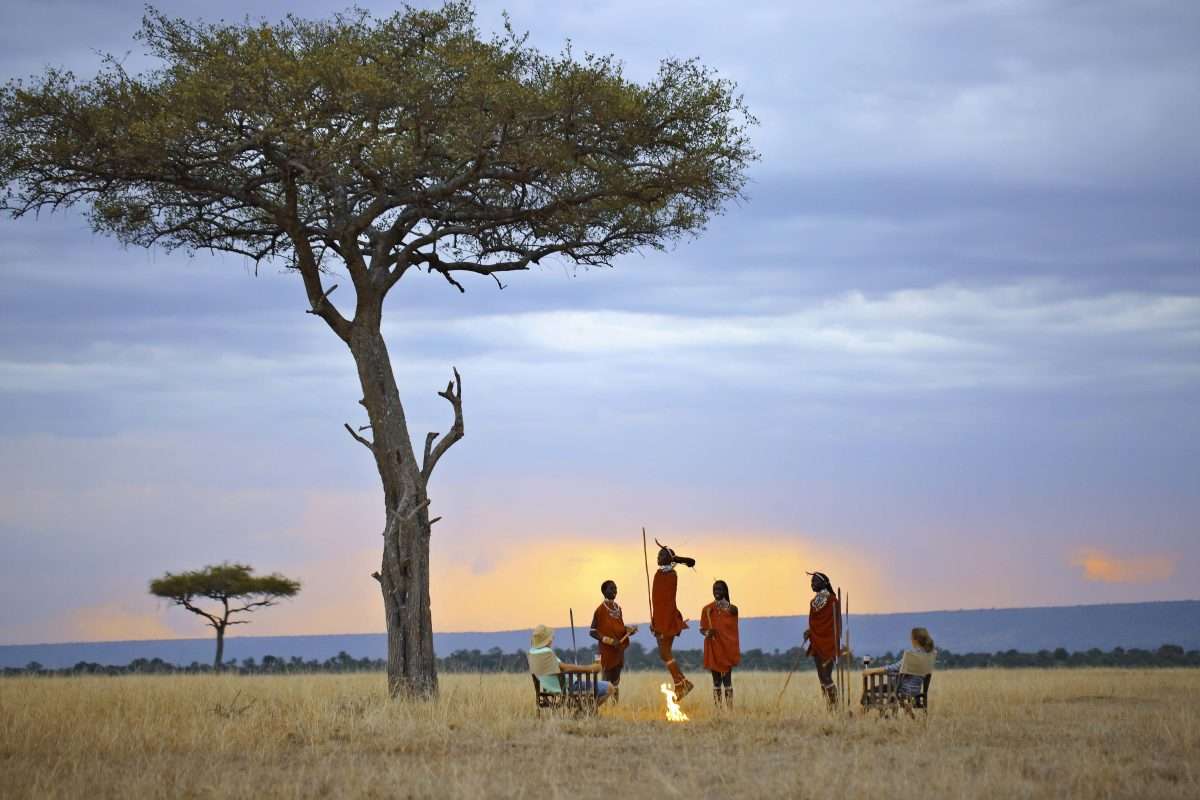
HOLIDAY EXPERIENCES
You came to Africa to live an experience – to see the Big 5, Big cats, wildebeest migration & so much more!
Customize your dream African safari
At Africa Kenya Safaris we are always flexible with your options, we will offer our thoughts on seasons, budgets, lifestyle, accommodations, first-hand experience of the parks, and all the possible activities to fill out your safari story. We’ll work with your impressions and dreams and add our ideas on which to build your adventure.
